
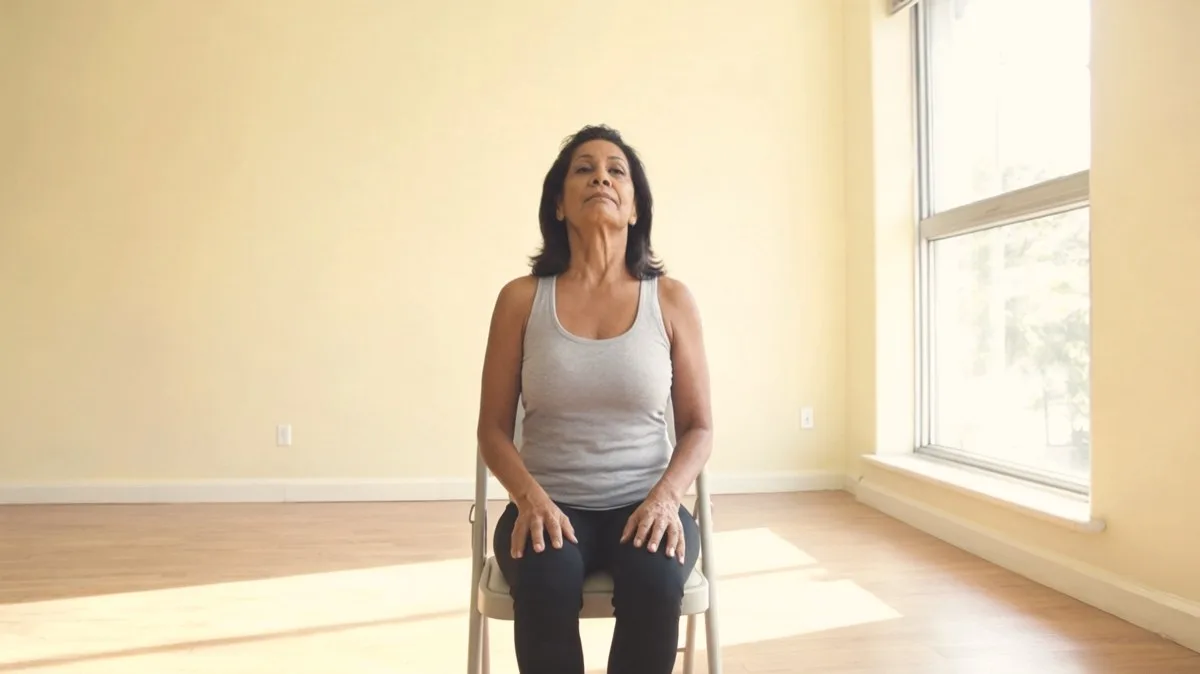
- Cervicogenic headache responds to exercise better than almost any other headache type, because the generator is mechanical.
- The winning combination targets three things: deep neck flexor strength, upper neck mobility, and the tight muscles that crowd the region.
- Gentle and daily beats intense and occasional; none of these should hurt, and none needs equipment.
- Expect meaningful change over weeks, not days, and pair the exercises with the posture and pillow fixes that stop the re-tightening.
Cervicogenic headache exercises work for a simple reason: this headache is referred from the upper neck, so anything that improves how the upper neck moves, carries load and relaxes changes the headache at its source. The research agrees, exercise plus manual therapy is the backbone of treatment for this pattern, and so do our 25-plus years of managing skull-base trouble. Below are the six exercises we would build a daily routine from: gentle, equipment-free, and doable in under ten minutes. Read the ground rules first; with necks, how you do these matters more than how many. And treat the modest time cost honestly: ten minutes a day is less than the average flare steals from an afternoon, which makes this the rare investment in this condition with an obvious positive balance, the version that survives contact with real life.
Ground rules before starting cervicogenic headache exercises
- Nothing here should hurt. A gentle stretch sensation or mild working effort is the ceiling; sharp pain, electric sensations, dizziness or arm symptoms mean stop.
- Slow is the technique. Every movement in this routine is done at deliberate, almost boring speed.
- Warm tissue cooperates: doing the routine after a shower or a heat wrap session roughly doubles its pleasantness and its effect.
- If you have had recent trauma or surgery, or your headaches are undiagnosed and new, get assessed before starting any neck exercise program.
1. Chin tucks, the foundation
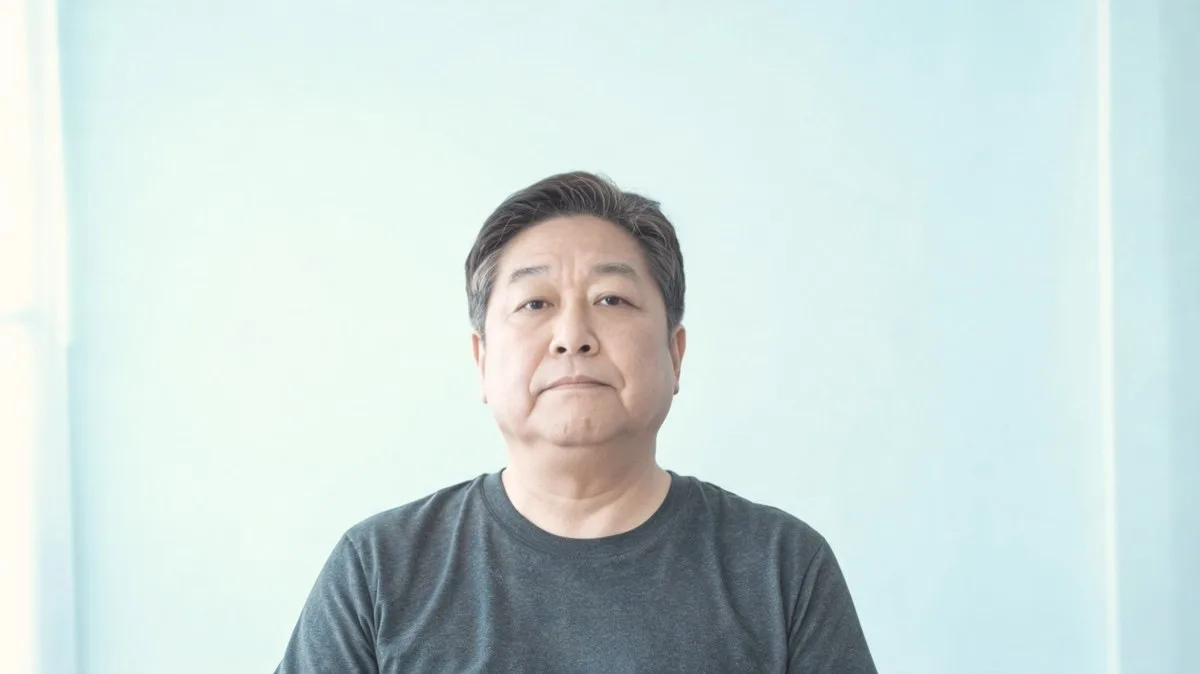
Sitting or standing tall, glide your head straight back, making a gentle double chin, no tilting up or down, eyes level. Hold three seconds, release slowly. Ten repetitions. This wakes the deep neck flexors, the muscles whose weakness lets the head drift forward and the upper neck take the strain, and reverses the exact posture that feeds this headache. Done well it feels mild to the point of anticlimax; that is correct.
2. Deep flexor holds, the strength builder
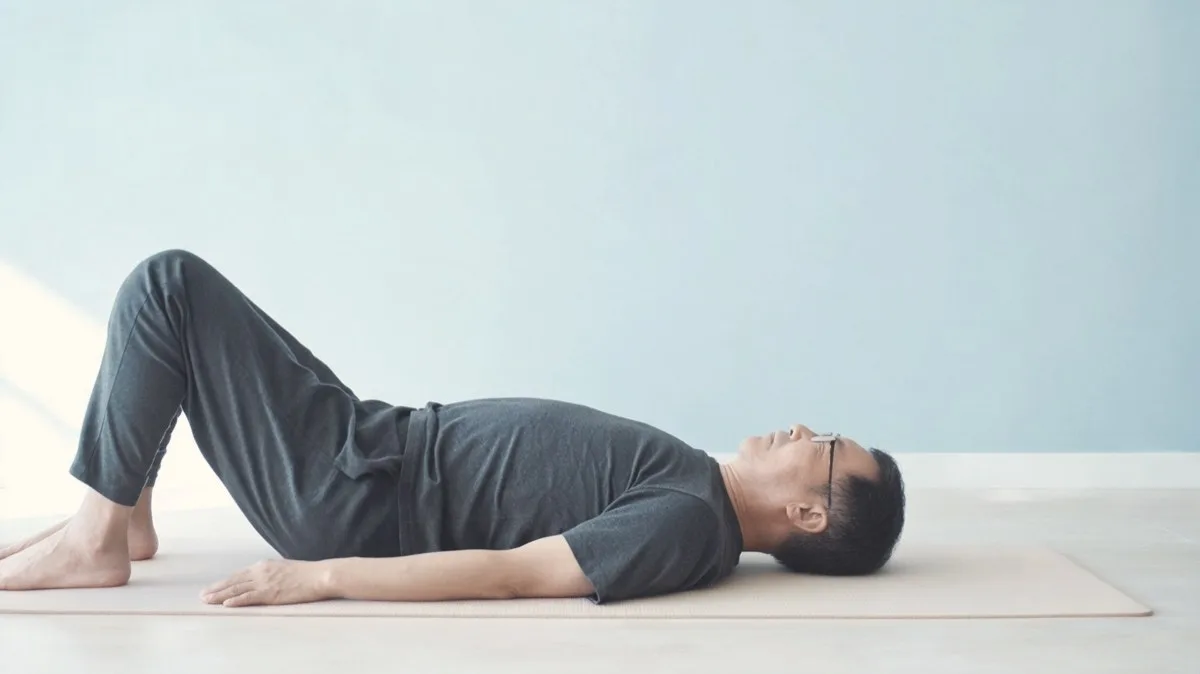
Lying on your back, knees bent, tongue on the roof of the mouth: nod the chin gently as if saying a tiny “yes”, lifting the back of the head a whisper off the floor is not required, the head can stay down. Hold the gentle nod ten seconds, breathing normally, without the surface muscles at the front of the throat gripping. Ten holds. This is the clinical progression of the chin tuck, and building these muscles is the single most evidence-backed exercise change for cervicogenic patterns.
3. Slow rotations to end of comfort
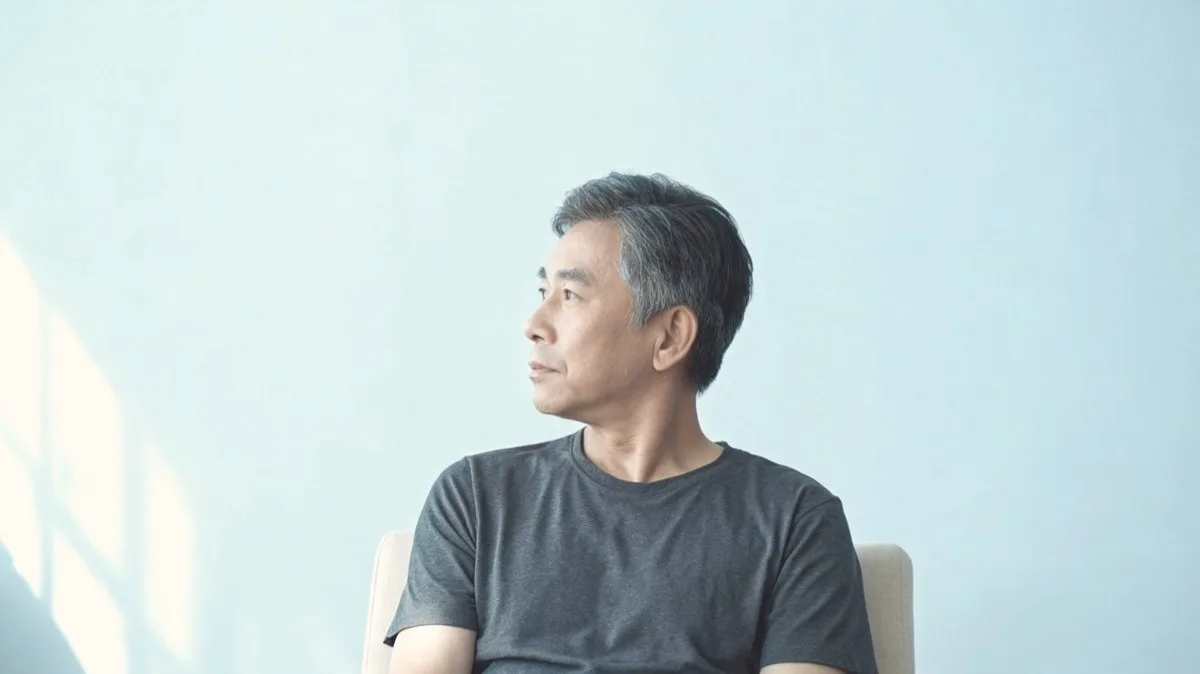
Seated tall, turn the head slowly to one side as far as comfort allows, pause two breaths, return, repeat the other way. Five each side. Restricted, guarded rotation is a hallmark of this condition, and patient, repeated visits to the comfortable end of range gently reclaim it. Let the range grow over weeks; forcing it’s counterproductive.
4. Upper trapezius stretch
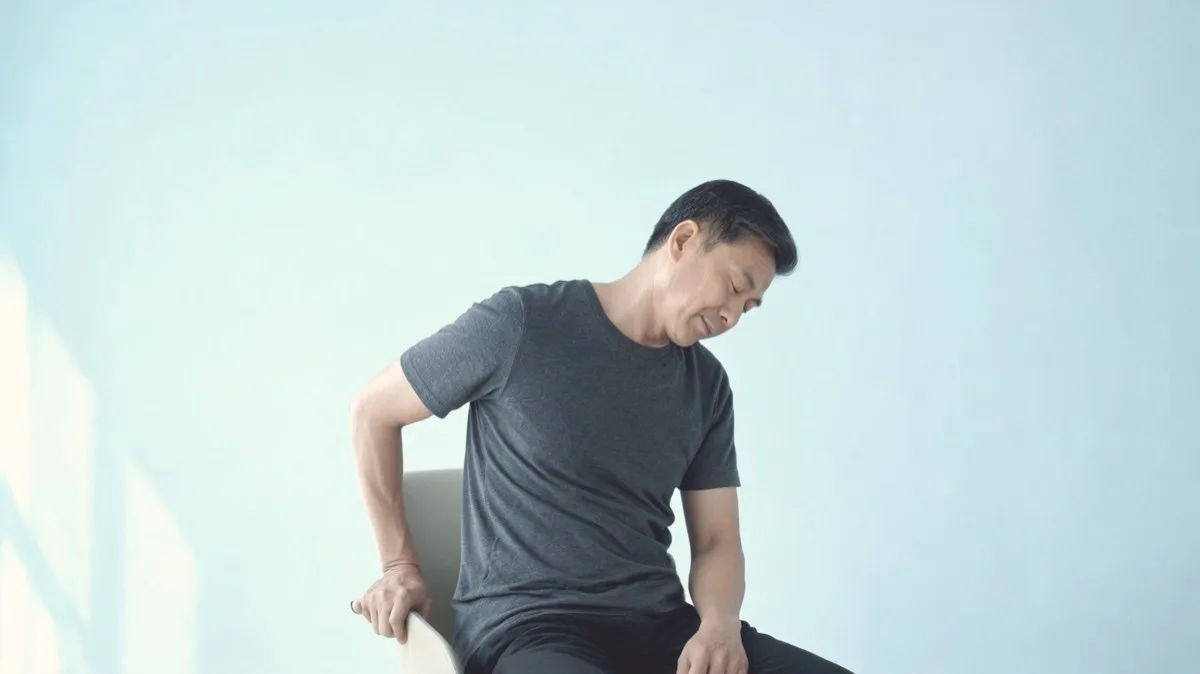
Seated, right hand anchored under the chair edge, tilt the left ear toward the left shoulder until a gentle stretch appears along the right side of the neck. Twenty to thirty seconds, twice each side. The upper traps bridge shoulder tension into the skull base; long desk days set them like concrete, and this is the classic release valve.
5. Levator scapulae stretch
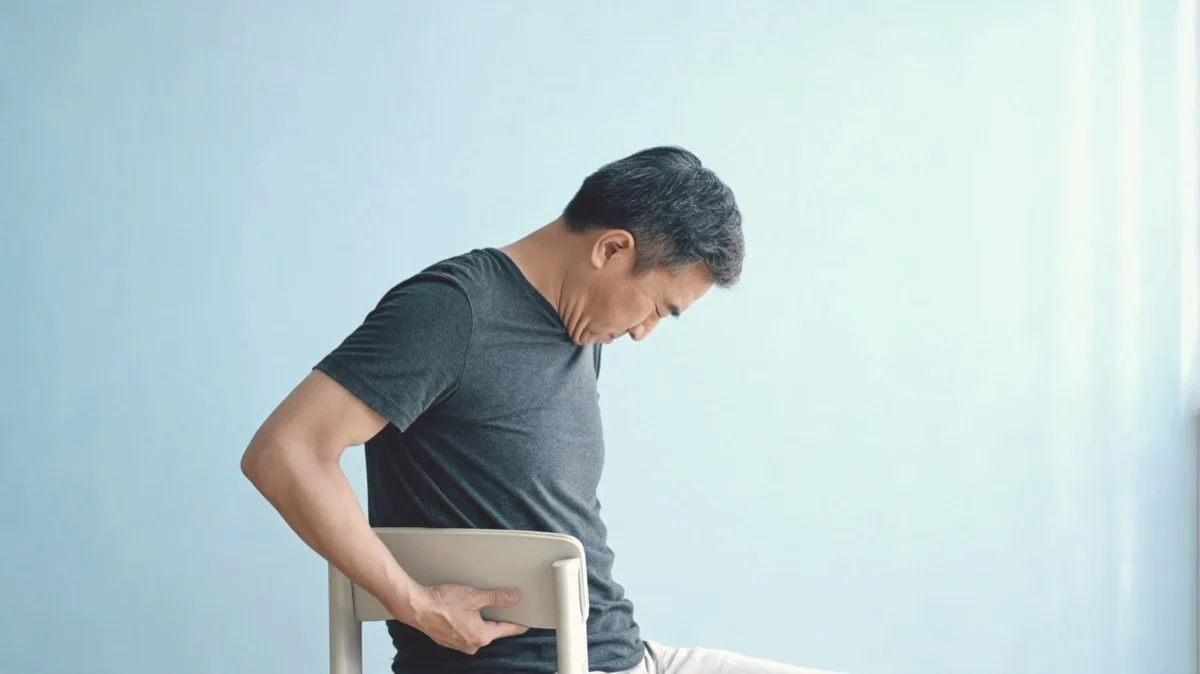
From the same anchored position, turn your head 45 degrees away from the anchored side, then draw your nose gently down toward the armpit until the stretch appears at the back corner of the neck. Twenty to thirty seconds, twice each side. The levator attaches to the exact upper vertebrae that generate this headache, and in our experience it’s the most under-stretched muscle in the whole story.
6. Thoracic extension over a chair back
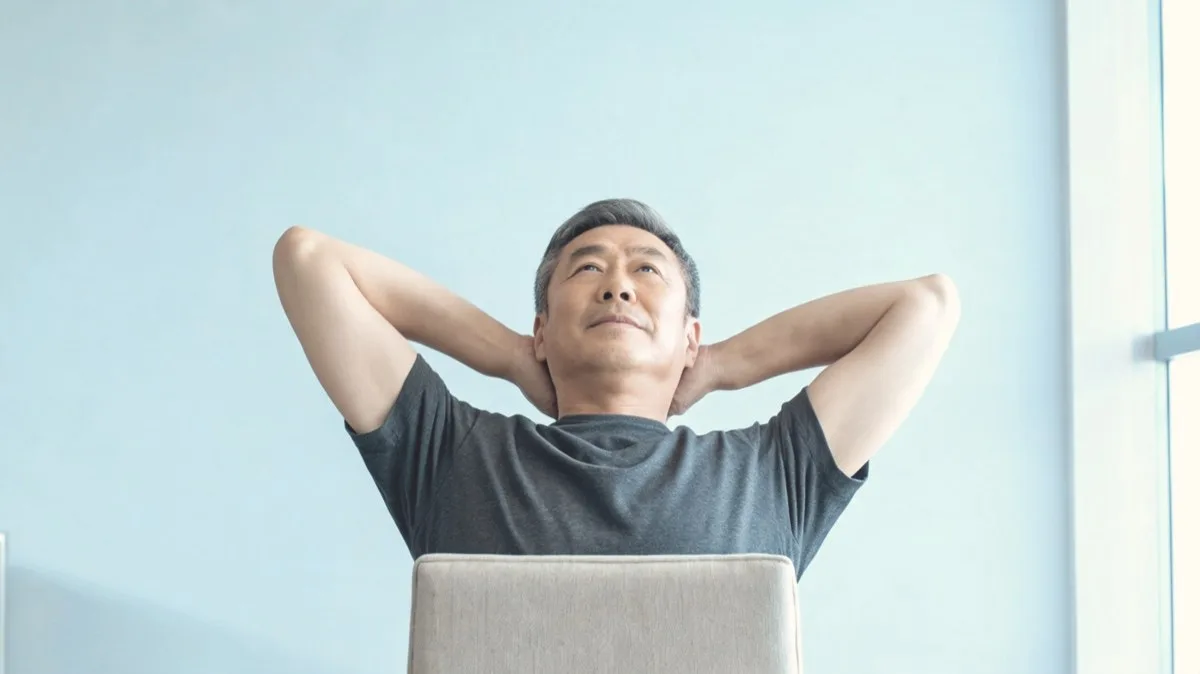
Seated in a chair whose back ends mid-shoulder-blade, hands behind your head, gently arch backward over the chair’s edge, opening the chest toward the ceiling, then return. Eight slow repetitions. A stiff upper back forces the neck to produce motion it should share, so freeing the thoracic spine quietly unloads the whole cervical region. Desk workers feel this one as pure relief, and it’s the exercise most often missing from neck-only routines.
Putting the routine together
Daily, ideally once mid-afternoon (interrupting the desk accumulation) and once in the evening after heat: chin tucks, rotations and both stretches take about five minutes; add the floor-based deep flexor holds and the thoracic extension in the evening round. Pair the routine with a few minutes of suboccipital release on tight days, and give the program the month it needs, strength changes in the deep flexors are measured in weeks. And hold the two ends of the day where this headache is actually made: the desk geometry and the night setup. Exercises fight a losing battle against nine daily hours of provocation; they win comfortably alongside fixed inputs.
If you work with a physical therapist, and for this condition we genuinely recommend it where access allows, bring this routine along and let them tailor it: they will bias the mix toward your specific restrictions, add manual treatment the home version cannot replicate, and progress the strengthening with more precision than any article can. The routine above is the strong general case, not a substitute for individual eyes on an individual neck.
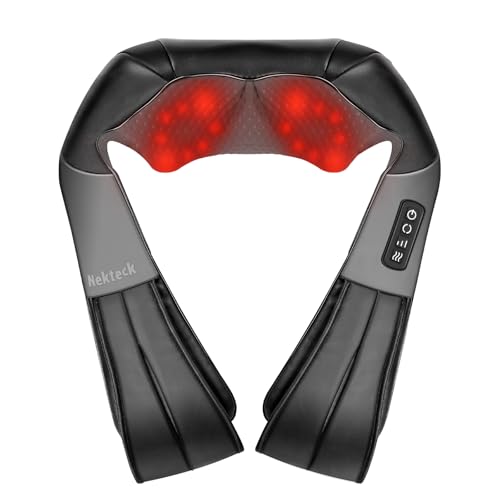 What we use
Nekteck Shiatsu Neck & Shoulder Massager with Heat
Five to ten minutes on the heat setting before the routine loosens the muscles first, which lets the stretches go further with less protest.
Check the Nekteck massager on AmazonAs an Amazon Associate we may earn from qualifying purchases, at no extra cost to you.
Progressing without provoking
Weeks one and two are about grooving the habit at trivial intensity: the routine should feel almost too easy, because the deep flexors and guarded joints need convincing, not conquering. From week three, progress one dial at a time: a few more repetitions of the tucks, five-second-longer flexor holds, a slightly deeper visit to end-range rotation. If a progression stirs the headache, step back one level for a few days; the path is never blocked, only occasionally rerouted. By week six most people can feel the difference in the mirror test, the head sitting more easily over the shoulders, and in the diary, fewer afternoons that end in the familiar wrap of pain. Keep the maintenance dose forever: five minutes a day is cheap rent for a quieter head, and every long-term neck we know that stayed quiet stayed exercised.
A note on what is deliberately absent from this list: neck circles rolled through full range, aggressive self-cracking, and anything performed fast. Momentum and end-range force are precisely the inputs an irritated upper neck does not need, and the exercises that help are duller than the ones that impress. Dull, daily and gentle is the entire philosophy, and it’s also, not coincidentally, the version you will still be doing in six months.
Frequently asked questions
Do exercises really help cervicogenic headache?
Yes, this is the headache type with the strongest exercise evidence, because the source is mechanical. Deep neck flexor training plus mobility work, ideally alongside a physical therapist’s manual treatment, is the standard of care.
How long until I notice a difference?
Stretches often feel good immediately, but the meaningful outcome, fewer and milder headaches, typically emerges over three to six weeks of daily practice as the deep flexors strengthen and the upper neck moves better.
Can these exercises make my headache worse?
Done gently, they rarely do; done aggressively, any neck exercise can provoke. Mild next-day muscle awareness is acceptable; triggering your actual headache during a session means back off the range and intensity, and if it keeps happening, get individually assessed.
Should I do these during a flare?
Scale down, not off: heat first, then the gentlest versions, chin tucks and easy rotations, staying well inside comfort. Skip the strengthening holds until the flare settles, and let the stretches follow warmth rather than fight guarding.
The health information in this guide is supported by the trusted medical sources below. It’s general information, not a diagnosis or medical advice. See our medical disclaimer.
Sources and further reading
Was this guide helpful?
Thank you. Your feedback helps us improve.