
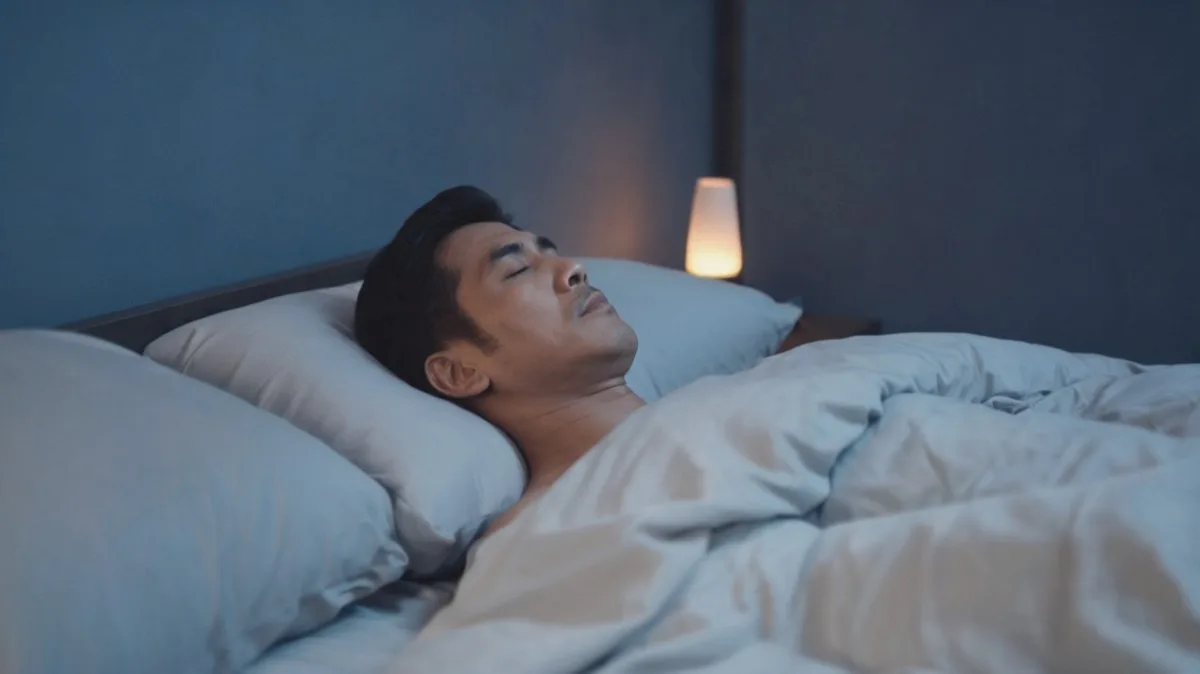
- Nights make or break cervicogenic headache, because sleep position holds the upper neck joints in one posture for hours.
- The setup that works: back or side sleeping, a pillow that fills the exact gap for your position, and the painful side protected from compression.
- Morning headaches that fade by midday are the classic sign your night setup is the generator’s best friend.
- Pair the sleep fixes with daytime load management; the two shifts reinforce each other.
How to sleep with cervicogenic headache comes down to one idea: this headache is generated by the upper neck, and sleep is the longest continuous position your upper neck ever holds. Get the night right and you remove seven hours of daily provocation; get it wrong and the joints that refer pain into your head spend every night being reloaded for tomorrow. The tell-tale pattern, waking with the familiar one-sided ache that eases through the morning, is so characteristic that we treat it as a diagnostic clue in its own right. Here is the full night-time playbook, built from the same principles we have refined across more than 25 years of skull-base trouble.
Why nights matter so much for this headache
Cervicogenic headache is referred pain from the upper cervical joints and their soft tissue. Those joints tolerate movement well and sustained end-range positions badly, and a wrong sleeping posture is exactly that: a sustained, loaded, end-range position held past midnight. A head tipped uphill or downhill on the wrong pillow loads one side’s joints all night; a stomach sleeper’s fully rotated neck takes the worst version of the deal. The morning-after result is the joint equivalent of a sprained ankle that got walked on for seven hours: cranky, guarded, and referring its opinion up into your head. The same hours, spent in neutral, become treatment instead, which is why sufferers who fix their nights so often report the single biggest step-change in their pattern.
How to sleep with cervicogenic headache: the position hierarchy
Back sleeping is the gold standard here for the same reasons it tops our general positions guide: nothing is rotated, nothing is side-loaded, and the neck’s curve can be supported directly. Use a medium-low pillow (roughly 3 to 5 inches compressed) with genuine support under the neck’s curve, cervical contour designs excel, and a pillow under the knees to make the position sustainable. Side sleeping is a solid second with two cervicogenic-specific rules: the loft must fill the full shoulder-to-ear gap so the head lies level (the numbers are in our loft guide), and where possible, sleep with the painful side up. Lying on the headache side compresses the very joints generating the pain; sufferers who switch sides often notice the difference within a week. Stomach sleeping is the position this condition cannot afford: a fully rotated neck, sustained for hours, is a nightly re-injury of the exact generator. The migration route out of it, barrier pillows and patient weeks, is covered in the positions guide.
The pillow question, cervicogenic edition
Everything in our neck pain pillow guide applies, with one emphasis turned up: consistency of support. The cervicogenic upper neck punishes the pillow that collapses at 3am harder than most conditions, because the slow overnight drift from supported to kinked is a sustained joint load exactly where it hurts. That argues for resilient fills, memory foam or firm latex contours that hold their shape, over soft down that needs hourly repuffing, and for replacing any pillow whose loft has quietly halved with age. Height errors in either direction are equally punished: too high loads the up-side joints in side sleeping and flexes the neck on the back; too low drops the head into side-bend or extension. If you wake with the familiar ache and your pillow is more than a couple of years old, start the investigation there before anywhere else.
 What we use
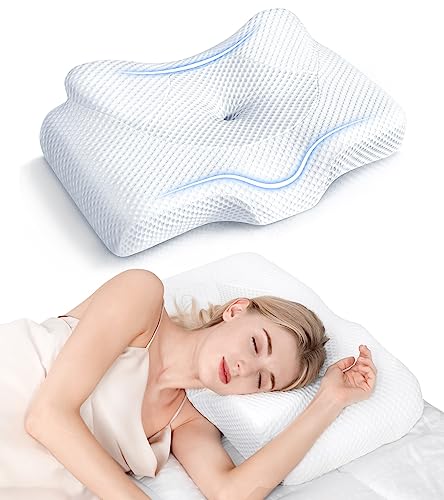
Osteo Cervical Pillow
The pillow question above, answered. A contour shape that holds the neck neutral, with adjustable height so you can match it to your shoulder width.
Check the Osteo pillow on AmazonAs an Amazon Associate we may earn from qualifying purchases, at no extra cost to you.
The evening on-ramp and the morning off-ramp
The night responds to how you enter and exit it. On the way in: a twenty-minute heat session an hour before bed on any loaded day drops the guarding the joints would otherwise carry into the pillow, and two minutes of gentle suboccipital release or the lightest stretches from our exercise routine in the warm window settle the region further. Settle deliberately at lights out: shoulders released down, the pillow’s support actually under the neck’s curve rather than just the skull. On the way out: mornings after imperfect nights respond to warmth before screens, a warm shower on the neck or a brief wrap session, and to sixty seconds of gentle rotations before the day starts stacking hours. The worst available morning move is carrying the overnight stiffness straight into a forward-head desk posture, which hands the generator a second shift.
The two-week reset experiment
If you want proof before commitment, run the experiment we suggest to every morning-headache reader. For fourteen nights, hold four variables steady: start every night on your back or the pain-free side, at the loft the guide above prescribes, with the evening heat session on any loaded day, and a one-line morning score out of ten in your diary. Change nothing else, that is the discipline that makes the data mean something. Most cervicogenic morning patterns show a visible trend inside the two weeks: scores drifting down, the ache arriving later or lighter, occasional clean mornings that had become rare. A clear trend tells you the night was the lever and earns the habit permanently; a flat line after honest execution tells you the generator needs professional attention, and the diary you just built is exactly what that appointment wants to see. Either result beats another month of guessing, which is the quiet value of running nights like an experiment instead of a lottery. Fourteen nights, four variables, one honest score: cheap science, and some of the best-spent effort this condition ever asks of you.
Troubleshooting the persistent morning headache
- Same ache every morning, any pillow: audit position first (are you prone by dawn?), then mattress, a sagging surface un-levels every pillow placed on it.
- Only after away-from-home nights: your setup is right and the world’s is not; a packable travel pillow earns its bag space.
- Worse on one specific side: check which side you habitually lie on and whether the painful side is spending nights compressed.
- Jaw tension in the mix: clenched nights feed the same upper-neck tension; mention it to a dentist or clinician, the overlap is real.
- No pattern response after a month of honest position, pillow and routine fixes: take the diary to a professional, this is the pattern where targeted physical therapy has its strongest evidence.
Frequently asked questions
What is the best sleeping position for cervicogenic headache?
On your back with a medium-low contour pillow supporting the neck’s curve, or on your side with full-gap loft, ideally with the painful side up. Stomach sleeping reloads the generating joints nightly and is the position to leave.
Why do I wake up with a headache that fades by lunchtime?
That timing signature points to the night as the provocation: hours of a loaded neck position irritate the upper cervical joints, and the referred head pain eases as daytime movement restores the region. It’s one of the most fixable headache patterns there is.
Should I sleep on the side of my headache or the opposite side?
Generally the opposite side: lying on the painful side compresses the joints generating the pain. Combine it with correct loft so the trade does not simply move the problem across.
Can a new pillow really stop cervicogenic headaches?
It can transform the morning-dominant pattern when the old pillow was the nightly provocation, which is common. It cannot fix daytime load or a joint problem that needs therapy, so treat the pillow as the night half of a two-part fix.
The health information in this guide is supported by the trusted medical sources below. It’s general information, not a diagnosis or medical advice. See our medical disclaimer.
Sources and further reading
Was this guide helpful?
Thank you. Your feedback helps us improve.