Tension headaches and migraines are the two most common types of headache, and they are confused constantly, even by people who have had them for years. It matters, because the two respond to completely different treatments. Treat a migraine like a tension headache and you will get little relief; treat a tension headache like a migraine and you may take strong medication you do not need. This guide lays out the differences clearly so you can work out which you are dealing with.
The Core Difference
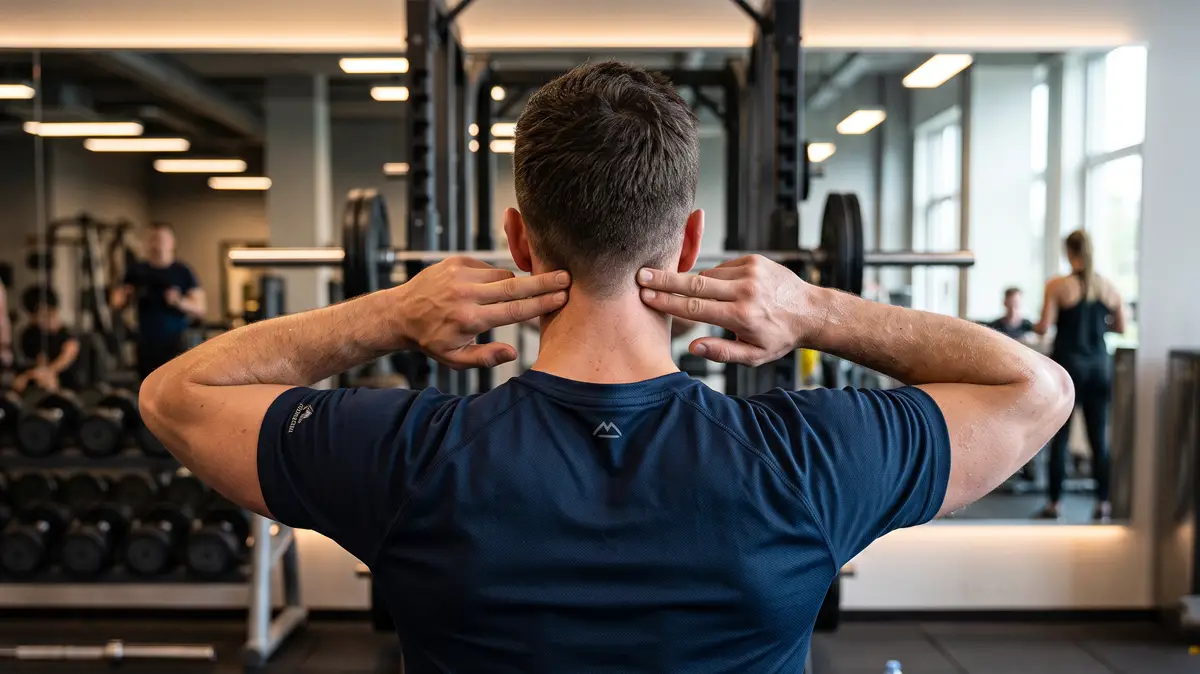
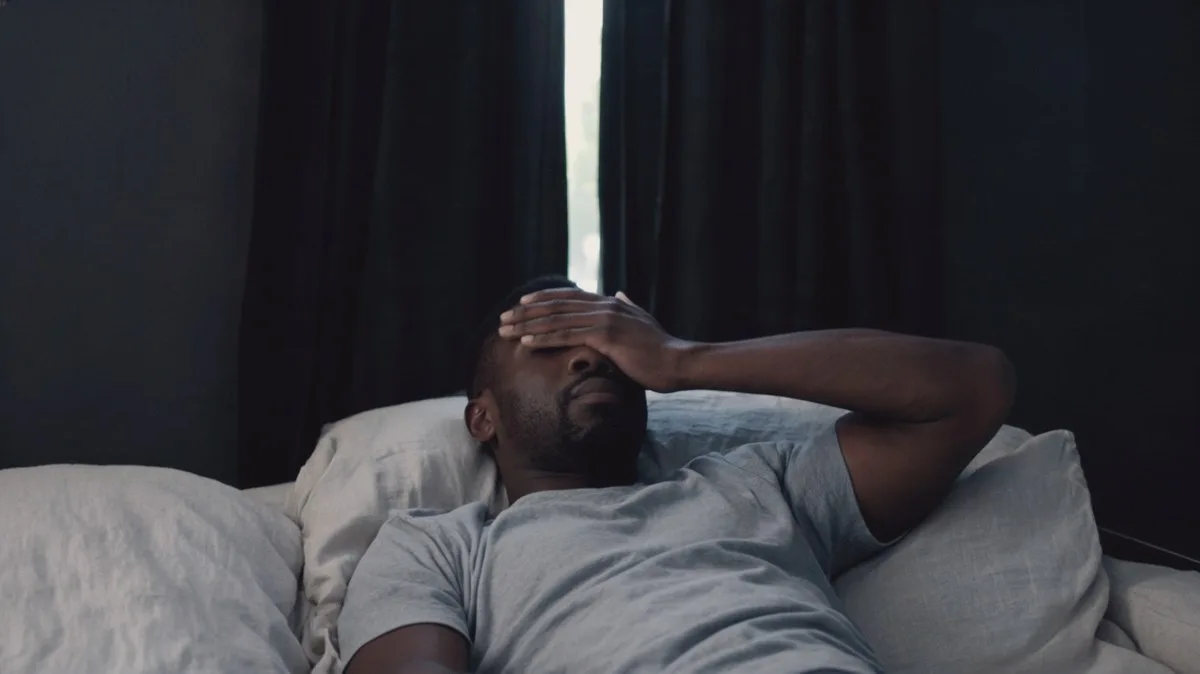
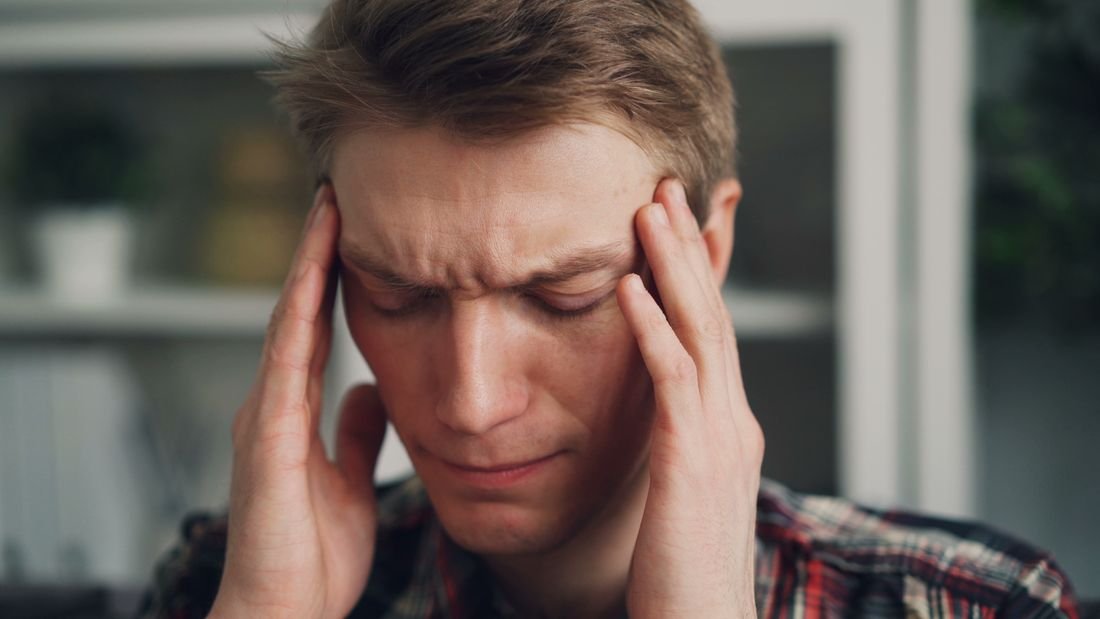
A tension headache is primarily a muscular problem, tight muscles in the neck, shoulders and scalp create a band of pressure around the head. A migraine is a neurological condition involving changes in the brain and nervous system, producing intense, often disabling symptoms that reach far beyond head pain. In short: a tension headache is something happening to your muscles, while a migraine is something happening in your nervous system.
Side-by-Side Comparison
| Feature | Tension Headache | Migraine |
|---|---|---|
| Pain type | Dull, steady pressure | Throbbing, pulsing |
| Location | Both sides, band-like | Usually one side |
| Intensity | Mild to moderate | Moderate to severe |
| Nausea | No | Common |
| Light/sound sensitivity | Mild if any | Strong |
| Aura (visual disturbance) | No | Sometimes |
| Effect of activity | Little change | Worsens |
| Typical duration | 30 min to a few hours | 4 to 72 hours |
How to Tell Them Apart in Practice
Ask yourself a few quick questions. Is the pain throbbing or a steady pressure? Is it one-sided or all around? Does light, sound or movement make it dramatically worse? Do you feel sick with it? If you answered throbbing, one-sided, worse with activity and nauseous, it points strongly to migraine. If it’s a steady band of pressure on both sides that you can largely carry on through, it points to a tension headache. The presence of an aura, visual disturbances such as flashing lights or blind spots before the pain, is a migraine feature and never a tension-headache one.
Why the Distinction Changes Treatment
Tension headaches respond well to physical approaches: massage, heat, posture correction, stress management, hydration and acupressure. Migraines often need migraine-specific medication (such as triptans), preventive medication, and careful trigger avoidance, alongside rest in a dark, quiet room. Treating one as the other wastes time and prolongs the suffering, which is exactly why getting the identification right is the first step. See our complete guide to tension headaches for the full treatment toolkit.
Can You Have Both?
Yes, and many people do. Tension and migraine can occur in the same person, sometimes on the same day, and severe neck tension can even act as a trigger that tips someone into a migraine. If your headaches vary in character from one episode to the next, keeping a simple headache diary, noting the pain type, triggers, and what helped, is the best way to tell which type you are dealing with on any given day, and it’s invaluable information for a doctor.
When to See a Doctor
See a doctor if your headaches are frequent, severe, or changing in pattern, or if you are unsure which type you have. Seek urgent care for a sudden “thunderclap” headache, or any headache with fever and a stiff neck, confusion, weakness, or vision loss.
Frequently Asked Questions
How do I know if I have a migraine or a tension headache?
If the pain throbs, affects one side, worsens with activity, and comes with nausea or strong light sensitivity, it’s likely a migraine. A steady band of pressure on both sides without those features points to a tension headache.
Can a tension headache turn into a migraine?
In some people, severe neck and muscle tension appears to trigger a migraine. The two conditions interact, which is part of why diagnosis can be tricky.
Do tension headaches and migraines need different treatment?
Yes. Tension headaches respond to massage, heat, posture and stress management; migraines often need specific medication and trigger avoidance. Identifying the type correctly is essential.
Is a one-sided headache always a migraine?
Not always, but one-sided throbbing pain is far more typical of migraine. Tension headaches usually affect both sides as a band of pressure.
The information on this site is based on personal experience and research. It’s not medical advice. Always consult a qualified healthcare professional for diagnosis and treatment.
This guide combines personal experience of living with tension headaches with guidance from the medical sources below. It’s general information, not a diagnosis or medical advice. See our medical disclaimer.
Sources and further reading
Was this guide helpful?
Thank you. Your feedback helps us improve.