- Cervical traction gently stretches the neck to relieve pressure on compressed joints, discs and nerves.
- Our research-led pick is the RESTCLOUD Neck Relaxer: the most-reviewed device of its kind, with nearly 93,000 owner ratings.
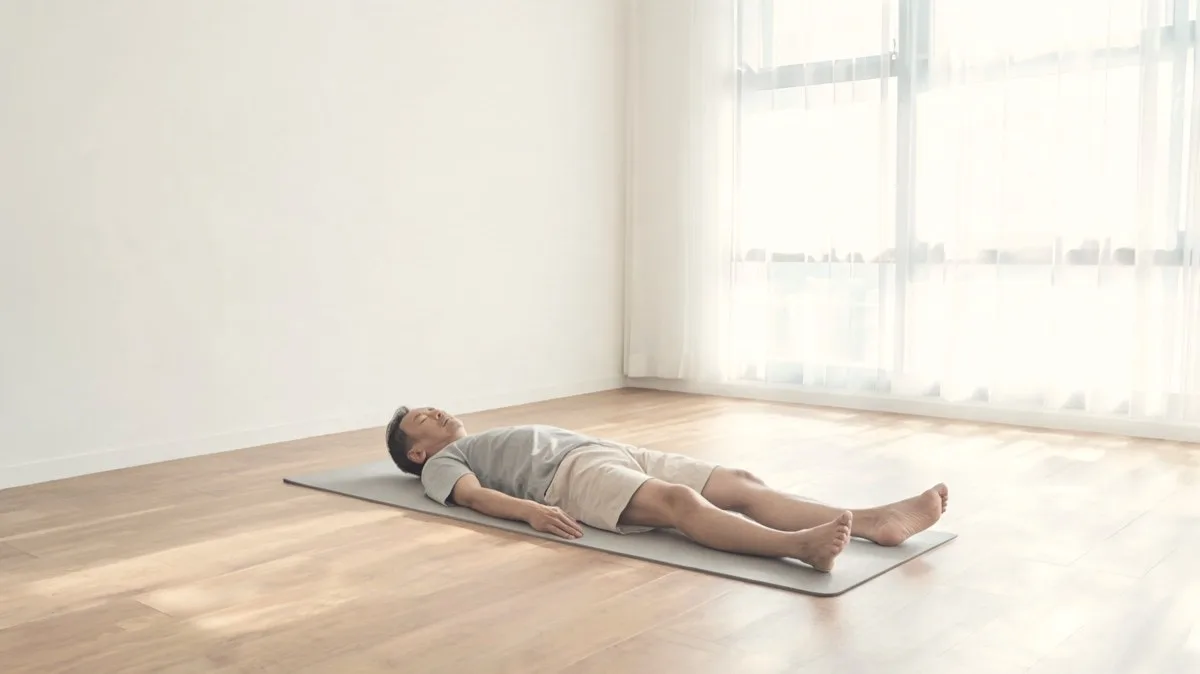
- Ten minutes a day on the floor is the pattern owners report works best; it can feel strange for the first week.
- Skip traction and see a professional first if you have had a recent injury, surgery, or new arm numbness or weakness.
The best cervical traction device does something no pill can: it takes the weight of your head (ten to twelve pounds of it) off your neck for a few minutes and lets compressed structures breathe. If your neck pain has that heavy, jammed, pressure-at-the-base-of-the-skull quality, that stuck feeling where stretching helps for a second and then the ache floods back, traction is the category to know about. After a decade of managing neck pain and occipital neuralgia, the moments of decompression are some of the relief we value most.
This guide explains how home traction works, the simple foam device nearly 93,000 owners have made the default choice, what those owners honestly report (including the ones it did not suit), and who should not use traction without professional advice.
How we chose the best cervical traction device
We compared the main styles of home cervical traction (foam cradles, inflatable collars and over-door pulley rigs) on effectiveness for everyday muscle and posture-driven neck pain, simplicity, comfort and safety, then read deeply through owner feedback: nearly 93,000 ratings on our pick alone. We know from our own long experience with neck pain what decompression needs to feel like to be usable every day; the verdicts below combine that lens with the reported experience of a very large crowd of long-term owners.
Top pick at a glance

RESTCLOUD Neck and Shoulder Relaxer
A simple contoured foam cradle that uses the weight of your own head to open up the neck: no pumps, no straps, no setup. Ten minutes lying down, done. The most-reviewed device in its category, with nearly 93,000 owner ratings.
Check price on AmazonAs an Amazon Associate we may earn from qualifying purchases, at no extra cost to you.
✔ Pros
- Effortless: gravity does the work, nothing to pump or hang
- Very affordable, many owners say it saved them therapy visits
- Also doubles as a suboccipital pressure and massage tool
- Small, light and travel-friendly
✖ Cons
- Feels odd, even uncomfortable, for the first several sessions
- Relief is real but temporary; it manages, it does not cure
- Firm foam is too intense for some, especially smaller frames
What cervical traction actually does
All day, the muscles and joints of your neck carry and stabilize your head. Traction reverses the arrangement for a few minutes: the device supports your head while a gentle stretch separates the vertebrae slightly, easing pressure on facet joints, discs and the nerves that exit between them. Physical therapists have used clinical versions for decades. The home foam-cradle version is the gentlest form: you lie down, the contour supports the curve of your neck, and the weight of your head settling into it produces a mild, sustained stretch, no motors or pulleys involved.
Who tends to benefit: people with tension and posture-driven neck pain, desk workers with that end-of-day compressed feeling, and those of us whose occipital pain flares when the base of the skull is tight (the cradle’s bumps press exactly where suboccipital massage works). Who should be cautious: see the safety section below.
The RESTCLOUD in detail
The design is almost embarrassingly simple: a contoured block of firm foam with a scooped cradle for the neck and two raised ridges that sit either side of the spine. Lie on it (owners consistently report it works best flat on the floor rather than on a soft bed), let your head settle back, and gravity applies the stretch. Ten minutes is the standard session. There is nothing to inflate, nothing to anchor to a door, nothing to go wrong.
That simplicity is exactly why it has become the category default. Traction rigs that need pumping or door-hanging get abandoned; a foam wedge you can drop on the carpet while the kettle boils gets used daily, and daily use is where the benefit lives.
What 93,000 owners actually say
At the time of writing the RESTCLOUD sits at roughly 4.3 out of 5 across more than 92,000 ratings, with around six in ten reviewers giving five stars. The strongest themes are neck support and pain relief (thousands of mentions each), effectiveness and value: a striking number of owners describe it sparing them chiropractor or massage appointments. The phrase that recurs in long-term reviews is “ten minutes a day”, used almost like a prescription.
The honest complaints
- The first week can be uncomfortable. The single biggest theme among critical reviews. A firm stretch on tight structures feels strange, sometimes sore. Owners who persisted with short sessions (start with two to three minutes) mostly came around; some never did.
- Relief does not last all day. Traction manages symptoms, it does not rebuild your neck. Expect meaningful but temporary relief that works best as a daily habit alongside exercises and a decent pillow.
- Too firm for some. Smaller or lighter users sometimes find the foam and ridges too aggressive. The inflatable style below is the gentler path.
When not to use traction
Do not use any home traction device without professional advice if you have had a recent neck injury or surgery, have been diagnosed with instability, severe osteoporosis, rheumatoid arthritis affecting the neck, or spinal cord compression, or if you have new or worsening numbness, tingling or weakness in your arms or hands. Those symptoms deserve proper assessment, not a foam wedge. Mild post-stretch soreness can be normal at first; sharp pain, dizziness or radiating symptoms mean stop.
A gentler alternative
Inflatable traction collars, best for a softer, adjustable stretch
If firm foam sounds like too much, inflatable collars wrap around the neck and lift the head as you pump them up, so you control the intensity precisely. They are gentler and adjustable, at the cost of more faff (pumping, valves, a slightly clinical look). Worth knowing: as a category, inflatables rate noticeably lower than the foam cradle (the best-reviewed sit around 4.1 stars, versus the RESTCLOUD’s tens of thousands of higher ratings), which tells you something about consistency; the one we link is the strongest of the field. Check the inflatable traction collar on Amazon.
Who should buy it, and who should not
Buy the RESTCLOUD if your neck pain is the tight, compressed, posture-driven kind, you want a zero-effort daily decompression habit, or occipital tightness at the skull base is part of your picture. Skip it if any of the medical cautions above apply to you, you know you prefer a soft and adjustable stretch, or you are expecting a cure rather than a management tool.
A hands-free upgrade, if setup is the problem
The RESTCLOUD above does the job for most people at a fraction of the price, and it’s still the one we would start with. But if the barrier for you is effort, gripping, pumping or getting down to the floor, a motorized device removes that entirely.

Electric Air-Pump Cervical Traction Device
A collar-style device with a built-in electric pump: you wrap it on, press a button, and it inflates to lift and decompress the neck across three power levels, no floor, no manual effort. It’s rated 4.1 out of 5 across roughly 350 owners, who report genuine relief for pinched-nerve pain and easy adjustment. The honest caveats: a smaller review base than the RESTCLOUD, and comfort of the wrap divides opinion.
Our take: Worth it if hands-free convenience or limited mobility is the deciding factor. Otherwise the RESTCLOUD delivers similar decompression for far less.
Check price on AmazonAs an Amazon Associate we may earn from qualifying purchases, at no extra cost to you.
Frequently asked questions
Does cervical traction really work?
For tension and posture-related neck pain, many people get genuine short-term relief, which matches both the clinical use of traction in physical therapy and the pattern across tens of thousands of owner reviews. Evidence for long-term change is weaker: think of it as a daily pressure-release valve, not a repair.
How long should I use a traction device each day?
Start with two to three minutes and build toward ten as your neck adapts. Once or twice daily is the pattern most owners settle into. More is not better; consistency is.
Can traction help occipital neuralgia?
It can help the muscle tightness at the base of the skull that aggravates many people’s occipital pain, and the RESTCLOUD’s ridges double as a suboccipital pressure tool. It’s not a treatment for the nerve condition itself, and flared, hypersensitive necks may not tolerate it; short, gentle sessions first.
Is it normal for traction to feel uncomfortable at first?
Mild strangeness and stretch-soreness in the first week is the most commonly reported experience. Sharp pain, dizziness, or symptoms radiating into the arms are not normal: stop and get assessed.
Ready to try the RESTCLOUD?
Ten minutes a day, no setup, and a price that undercuts a single therapy session. As management tools for a compressed, aching neck go, this is about as low-risk as they come.
The health information in this review is supported by the trusted medical sources below. It’s general information, not a diagnosis or medical advice. See our medical disclaimer.
Sources and further reading
Was this guide helpful?
Thank you. Your feedback helps us improve.