
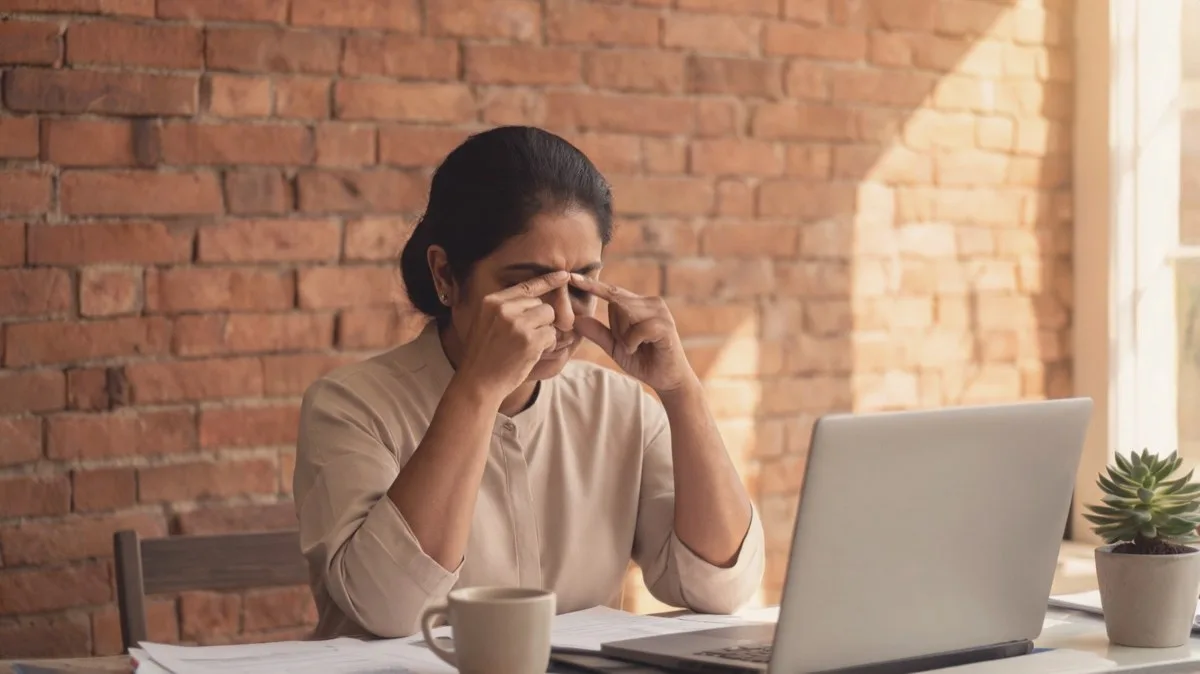
Tension headaches do not appear from nowhere. They are almost always the result of identifiable triggers, and the encouraging part is that most of those triggers are within your control. Learning to recognize yours is the single fastest route to having fewer headaches, because once you know what sets them off, you can head most of them off before they start. Here are the eight most common causes and triggers, and exactly what to do about each.

The 8 Most Common Triggers
1. Stress
The number-one trigger. Stress makes you unconsciously clench the muscles of the jaw, neck and shoulders, which refer pain into the head. Managing stress, through breathing, exercise, breaks, or whatever genuinely unwinds you, is the most powerful single change for most sufferers.
2. Poor posture
Forward-head posture at a desk or phone keeps the neck muscles under constant load, and those muscles refer pain straight into the head. It’s one of the most common and most fixable triggers, see text neck for how to correct it.
3. Eye strain
Long hours staring at screens, or an outdated glasses prescription, tire the eye muscles and contribute to headaches. The 20-20-20 rule helps: every 20 minutes, look at something 20 feet away for 20 seconds.
4. Dehydration
Even mild dehydration is a well-established headache trigger. Many headaches blamed on other causes are simply the result of not drinking enough water through the day.
5. Poor or irregular sleep
Both too little sleep and an irregular schedule trigger tension headaches. A consistent bedtime and a supportive pillow that lets you wake without neck tension both help.
6. Skipping meals
Low blood sugar from skipped or delayed meals is a common trigger. Eating regular, balanced meals keeps blood sugar stable and headaches at bay.
7. Caffeine swings
Caffeine is double-edged. A little can relieve a headache, but regular heavy use leads to withdrawal headaches when you cut back or miss your usual dose. Keep your intake consistent and moderate.
8. Neck tension
Tight neck muscles refer pain directly into the head. Addressing neck tension through massage and stretching often resolves headaches at their source.
How to Identify Your Personal Triggers
Keep a simple headache diary for two to three weeks. Each time a headache strikes, note the time and what was happening, your sleep the night before, stress level, meals, water intake, screen time and posture. Patterns usually emerge quickly, showing you precisely which triggers to target rather than guessing. It’s the most useful 30 seconds a day you can spend if you get frequent headaches.
Turning Triggers Into Prevention
Once you know your triggers, prevention becomes straightforward, address the two or three that apply most to you rather than trying to fix everything at once. Our full plan is in how to prevent tension headaches, and for in-the-moment relief see how to get rid of a headache without medication.
 What helps most
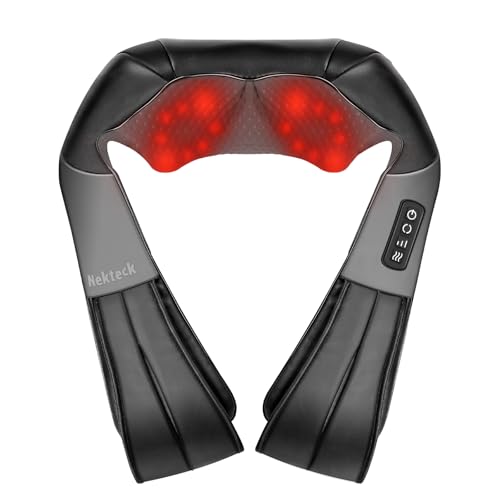
Nekteck Shiatsu Neck & Shoulder Massager with Heat
Most tension headaches build in the neck and shoulders. Ten minutes with the heat setting before bed is the single habit that helps us most.
Check the Nekteck massager on AmazonAs an Amazon Associate we may earn from qualifying purchases, at no extra cost to you.
Frequently Asked Questions
What is the most common cause of tension headaches?
Stress, followed closely by poor posture. The two often combine, since stress increases muscle clenching while poor posture keeps those muscles loaded.
Can poor posture really cause headaches?
Yes. Forward-head posture keeps the neck and base-of-skull muscles under sustained tension, which is one of the most common causes of tension headaches.
Why do I get a headache every afternoon?
Afternoon headaches often trace to accumulated screen time and poor posture, dehydration, a skipped lunch, or a caffeine dip. A diary will usually reveal which.
Can dehydration alone cause a tension headache?
Yes, even mild dehydration is a recognized trigger. Often a large glass of water relieves the headache within half an hour.
The information on this site is based on personal experience and research. It’s not medical advice. Always consult a qualified healthcare professional for diagnosis and treatment.
When to seek medical help
Seek urgent medical help for a sudden, severe headache, a headache after a head injury, or one with fever, a stiff neck, confusion, vision changes, weakness or numbness. See a doctor if your headaches are frequent, worsening or not easing with self-care.
This guide combines personal experience of living with tension headaches with guidance from the medical sources below. It’s general information, not a diagnosis or medical advice. See our medical disclaimer.
Sources and further reading
Was this guide helpful?
Thank you. Your feedback helps us improve.