- The simple rule: ice for the first day or two after a fresh injury, heat for everything chronic, stiff and tension-driven.
- Most everyday neck pain is chronic tension, which is why heat is the right default for most people most of the time.
- Twenty-minute sessions, always wrapped if cold, warm-not-hot if heat, and never on numb or broken skin.
- Both are relief tools: pillow, posture and movement do the actual repair work.
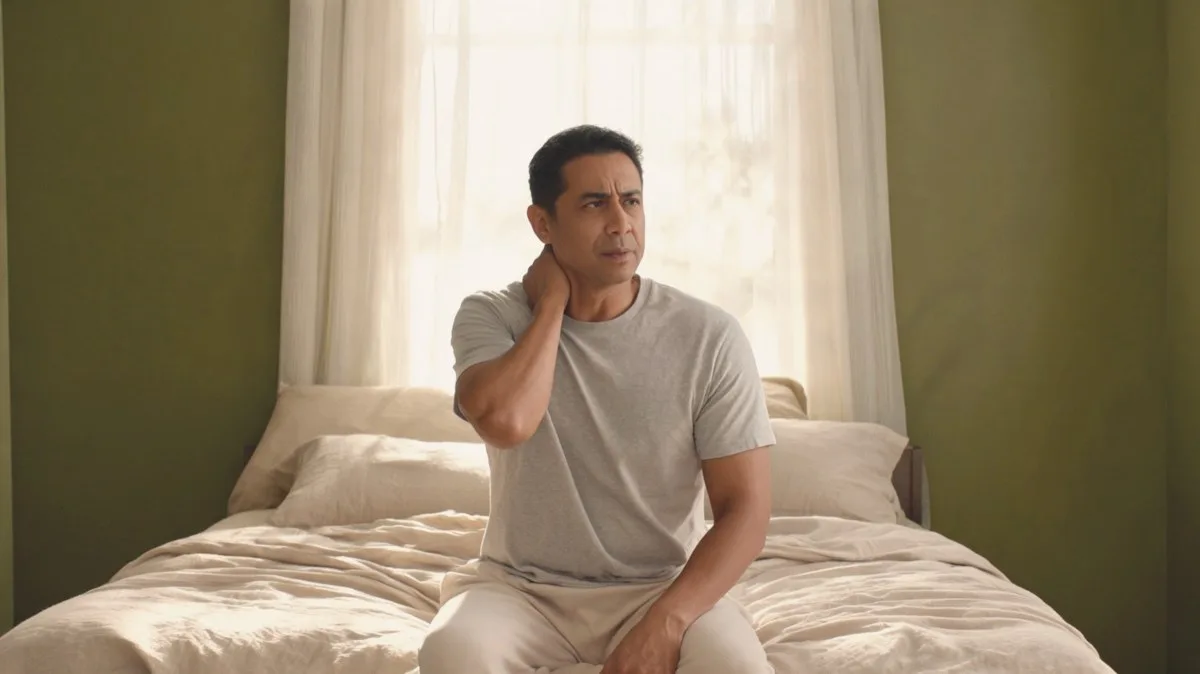
Heat or ice for neck pain is one of those questions with a genuinely simple answer hiding under decades of conflicting advice: ice is for fresh injuries, heat is for everything else, and since most everyday neck pain is not a fresh injury but chronic muscle tension, heat wins most days of the week. We have leaned on that rule through a decade of neck pain and skull-base trouble, and it has never let us down, through desk marathons, sleep accidents and every stubborn winter stiffness in between. Here is the reasoning, the exceptions, and how to use each properly so a good tool does not become a skin complaint.
One more calibration worth stating: temperature therapy is a relief tool, and relief matters, but neither heat nor ice rebuilds a neck. If you find yourself needing sessions more and more often just to get through ordinary days, that trajectory is the message, and the answer lives upstream in the pillow, the desk and the movement habits, not in a hotter wrap. Use the sessions to buy comfortable windows, and spend those windows on the changes that shrink tomorrow’s need for them.
Heat or ice for neck pain: the decision in one minute
Ask one question: did something specific just happen? A wrench, a sports knock, a sleep accident you can point to within the last 48 hours? Then start with cold: brief, wrapped applications to quiet the initial inflammatory response. No incident, just the familiar stiffness, tightness or ache that built over days, desks and bad nights? That is chronic tension territory, and heat is your tool: it improves blood flow through clamped muscles, drops their resting tension, and calms the pain signal. Still unsure? Choose heat. Chronic tension misdiagnosed as injury and heated anyway comes to no harm; a two-day-old strain heated early is at worst briefly puffier. The stakes are lower than the internet implies.
Why heat is the everyday default
The neck pain most of us carry is a circulation and tension problem, not an inflammation problem. Muscles held short and tight for hours (screens, stress, sleep positions) become under-supplied and sore, and they guard, which tightens them further. Heat interrupts that loop at three points: vessels widen and supply improves, the muscle’s resting tone drops, and warm input competes with pain on the shared nerve pathways. Moist heat does all three a little better than dry at the same comfort level, which is why microwavable grain wraps punch so far above their price, the full tool comparison lives in our heated neck wrap roundup. Twenty minutes, warm not hot, and the golden window is what you do next: stretch, mobilize or fix the posture while the tissue is receptive, because heat opens the door and movement walks through it.
Where ice genuinely earns its keep
Fresh strains are the classic case: the first 24 to 48 hours after a specific insult, when the area may be swollen, hot or sharply sore. Wrapped cold, ten to fifteen minutes at a time with proper breaks, takes the edge off pain and keeps the initial response in bounds. After that window closes, switch to heat to help the healing tissue get supplied; icing a week-old strain mostly just makes a stiff neck cold. The other honest use is preference under high irritation: some people, particularly during angry nerve-pain flares, find cold numbs what heat amplifies (we cover that special case in the occipital neuralgia version of this question). If a brief cold trial reliably leaves you better an hour later, your nervous system has voted and is allowed to.
Choosing your delivery method
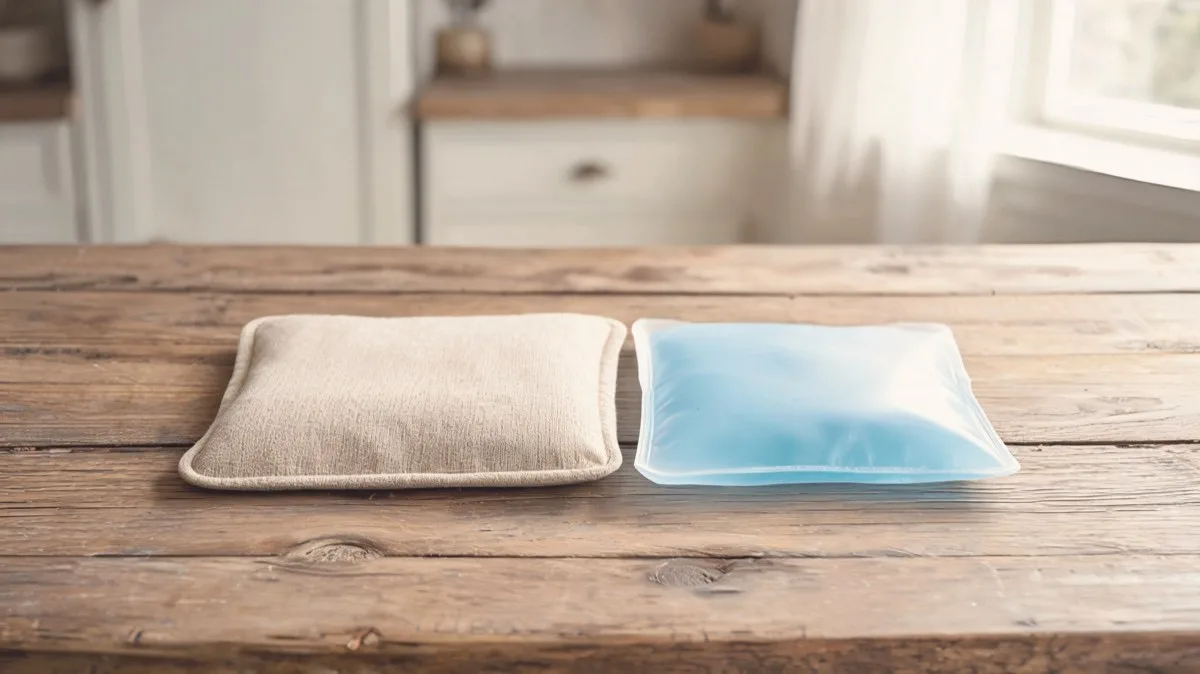
For heat, the field splits three ways, and the right pick follows your pattern. Microwavable grain wraps deliver moist heat that penetrates well and suit the twenty-minute targeted session; they are our default and the best value in the category. Electric wraps trade moisture for duration and control, the tool for slow evening unwinding, with the auto shut-off as a non-negotiable feature. And the humble hot shower remains the most underrated option in the house: warm water on the back of the neck for a few minutes is a legitimate session, especially as a morning stiffness opener, though it lacks the sustained, hands-free focus of a wrap. For cold, nothing beats a soft gel pack that molds to the neck’s curve, kept ready in the freezer; bags of frozen peas work in a pinch but earn their reputation for soggy compromise. Whatever you choose, the tool you will actually use beats the theoretically better one gathering dust, which is the entire case for cheap and convenient.
 What we use
Carex Bed Buddy Heat Pad and Cooling Neck Wrap
One wrap that covers both methods. Microwave it for moist heat, chill it for cold, and it’s shaped to sit on the neck rather than slide onto the shoulders.
Check the Carex wrap on AmazonAs an Amazon Associate we may earn from qualifying purchases, at no extra cost to you.
The rules that keep both safe
- Cold is always wrapped: a towel between pack and skin, ten to fifteen minutes maximum, and a genuine break before repeating. Ice burns are real and pointless.
- Heat is warm, not hot: the cheek test applies, if you could not hold it against your face, it’s too hot for your neck. Twenty minutes, then off.
- Neither on compromised skin: numb areas, broken skin, rashes, or anywhere circulation or sensation is impaired (including from diabetes) are off-limits without medical advice.
- Never sleep on an electric heat pad without auto shut-off, and honestly, not at all.
- Neither is a substitute for assessment when pain follows real trauma or comes with red flags: arm weakness or numbness, fever with stiff neck, or a sudden severe headache mean a clinician, not a wrap.
Putting them in a routine
For the standard chronic pattern, here is the shape that works: heat in the late afternoon or evening on heavy days, before tension consolidates, followed immediately by the gentle mobility work in our neck exercise guide or a few minutes of suboccipital release. Morning stiffness responds to a shorter warm session before the day starts pulling the head forward. And run the upstream audit in parallel, because a heat habit that has to fight your desk setup and your pillow height every single day is treating a wound the schedule keeps reopening. For fresh-strain weeks: cold for a day or two, then transition to the heat routine as the acute edge fades, letting comfort guide the handover.
Frequently asked questions
Is heat or ice better for a stiff neck?
Heat. Everyday stiffness is chronic muscle tension, and warmth improves circulation and lowers muscle tone. Reserve ice for the first day or two after a specific fresh injury.
How long should I ice a neck injury?
Ten to fifteen minutes per session, always wrapped, with real breaks between, during the first 24 to 48 hours. After that window, heat generally serves recovery better.
Can I alternate heat and ice for neck pain?
You can, and some people like contrast for subacute strains, but for ordinary tension it adds complexity without much benefit. A simple heat-plus-movement routine outperforms elaborate alternating schedules for the chronic pattern.
Why does heat make my neck feel worse sometimes?
Usually one of three things: the session was too hot, the pain is a fresh strain still in its inflammatory window, or an irritated nerve is amplifying all input, the pattern where brief cold sometimes serves better. If heat reliably worsens you, respect the pattern and reassess what you are treating.
The health information in this guide is supported by the trusted medical sources below. It’s general information, not a diagnosis or medical advice. See our medical disclaimer.
Sources and further reading
Was this guide helpful?
Thank you. Your feedback helps us improve.