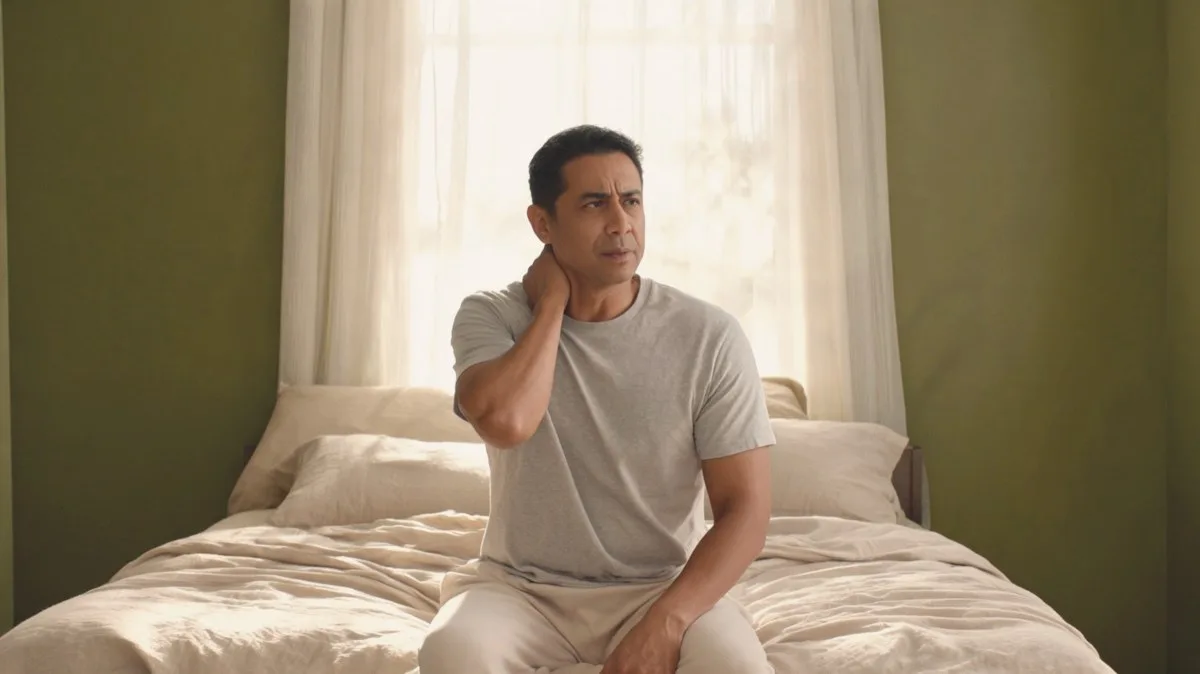

Exercise is one of the most effective and best-researched long-term treatments for cervicalgia (the medical term for neck pain). Medication and rest can mask the symptoms, but they do nothing to fix the underlying problem: weak, tight or imbalanced muscles that leave the cervical spine poorly supported. The right exercises do two things at once. They release the tight muscles that are generating the pain, and they strengthen the deep muscles that hold your head in a healthy position. Done consistently, this combination not only relieves your current pain but makes future flare-ups far less likely.

This guide gives you six exercises that target the whole system, neck, shoulders and upper back, along with exactly how to perform each one, how often to do them, and the mistakes that can make neck pain worse. Everything here is gentle enough for most people to do at home with no equipment.
Important safety note: Move slowly and stay within a comfortable, pain-free range. A gentle stretch sensation is normal; sharp, shooting or radiating pain is not. If any movement sends pain or tingling down your arm, stop immediately. If you have had a recent neck injury, a diagnosed disc problem, or numbness and weakness in the arms or hands, check with a doctor or physical therapist before starting. For background on the condition itself, see our complete guide to what cervicalgia is and how to treat it.
Why Exercise Works Better Than Rest for Neck Pain
It feels natural to rest a painful neck, and for the first day or two of an acute flare that is sensible. But prolonged rest is one of the worst things you can do for chronic cervicalgia. When the neck stays still, the muscles weaken and stiffen, circulation to the area drops, and the joints lose mobility, all of which prolong the pain. Gentle movement does the opposite: it pumps fresh blood and nutrients into the muscles and discs, keeps the joints mobile, and gradually rebuilds the strength your neck needs to support the weight of your head (around 11 pounds) throughout the day.
The two muscle groups that matter most are the deep cervical flexors at the front of the neck, which are usually weak and stretched in people with forward-head posture, and the upper trapezius and levator scapulae at the back and sides, which are usually tight and overworked. A good routine strengthens the former and releases the latter. That is exactly what the six exercises below are designed to do.
Before You Start: Warm Up the Muscles
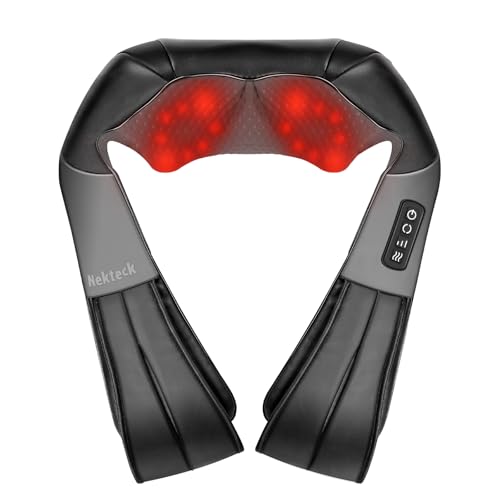
Cold, tight muscles stretch poorly and are easier to strain. Spend five to ten minutes warming the area first. A warm shower aimed at the neck and shoulders works well, as does a heated neck wrap or a few minutes with a heated massager. Warming the tissue beforehand makes every stretch below noticeably more effective and more comfortable, because the muscle is ready to lengthen rather than guarding against it.
 What we use
Nekteck Shiatsu Neck & Shoulder Massager with Heat
For the warm-up above. Five to ten minutes on the heat setting before the exercises lets the muscles move further with less protest.
Check the Nekteck massager on AmazonAs an Amazon Associate we may earn from qualifying purchases, at no extra cost to you.
The 6 Best Cervicalgia Exercises
1. Chin Tucks (the most important exercise)

If you only do one exercise for cervicalgia, make it this one. The chin tuck strengthens the deep neck flexors and directly counteracts the forward-head posture that is the root cause of most modern neck pain.
- Sit or stand tall with your shoulders relaxed and your eyes looking straight ahead.
- Without tilting your head down, gently draw your chin straight back, as if making a “double chin”. Imagine a string pulling the back of your head toward the ceiling.
- You should feel a gentle stretch at the base of your skull and a slight effort in the front of your neck.
- Hold for 5 seconds, then release slowly.
- Repeat 10 times. Do this 2–3 times a day.
Why it works: it retrains your muscles to hold your head balanced over your shoulders instead of jutting forward, which removes the constant strain that causes pain. It’s also small and discreet enough to do at your desk several times a day.
2. Neck Rotations
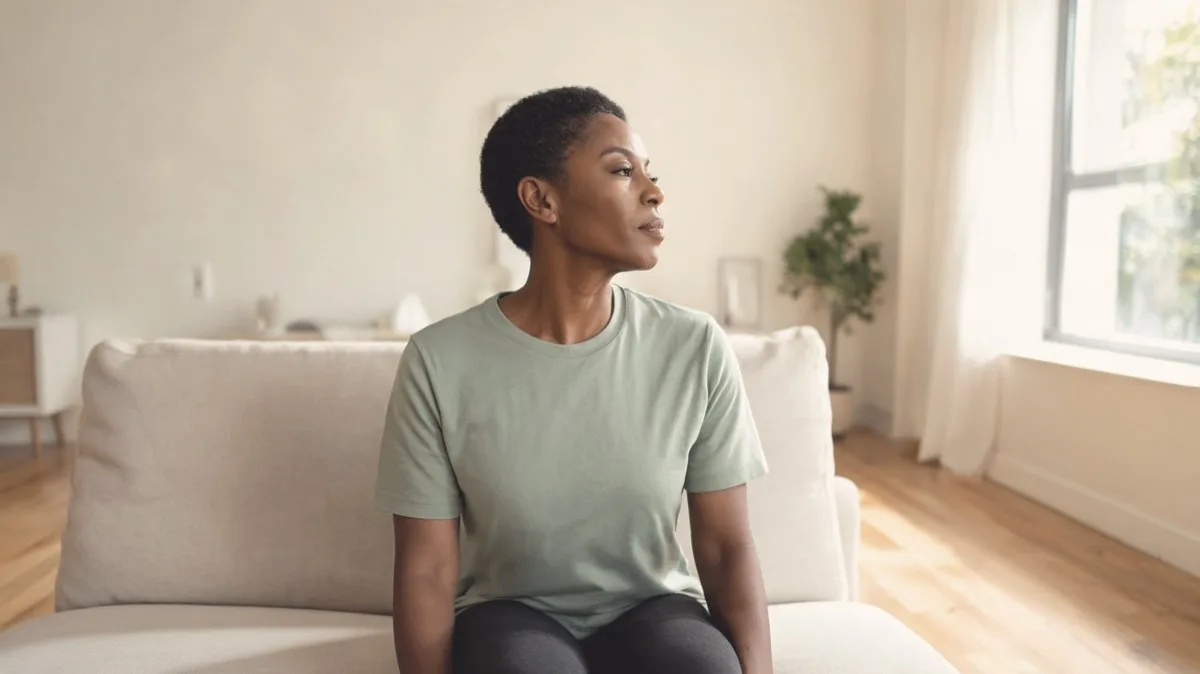
Rotation is one of the first movements lost when the neck is stiff. Keeping it mobile prevents the cycle where stiffness leads to guarding, which leads to more stiffness.
- Sit tall with your chin slightly tucked.
- Slowly turn your head to look over your right shoulder, going only as far as is comfortable.
- Hold for 10 seconds, feeling a gentle stretch along the side of the neck.
- Return slowly to center and repeat to the left.
- Do 3 repetitions on each side.
Keep the movement smooth and controlled. Never force the turn or use momentum, and stop short of any sharp pain.
3. Lateral Neck Stretch (side bend)

This stretches the upper trapezius, one of the muscles that carries most of our daily tension and refers pain up into the head.
- Sit tall. Gently tilt your right ear toward your right shoulder without lifting the shoulder up to meet it.
- For a deeper stretch, rest your right hand lightly over the top of your head, do not pull, just let the weight of the arm increase the stretch.
- Hold for 15–20 seconds, feeling the stretch along the left side of your neck.
- Return to center and repeat on the other side.
- Do 2 repetitions each side.
4. Shoulder Blade Squeezes
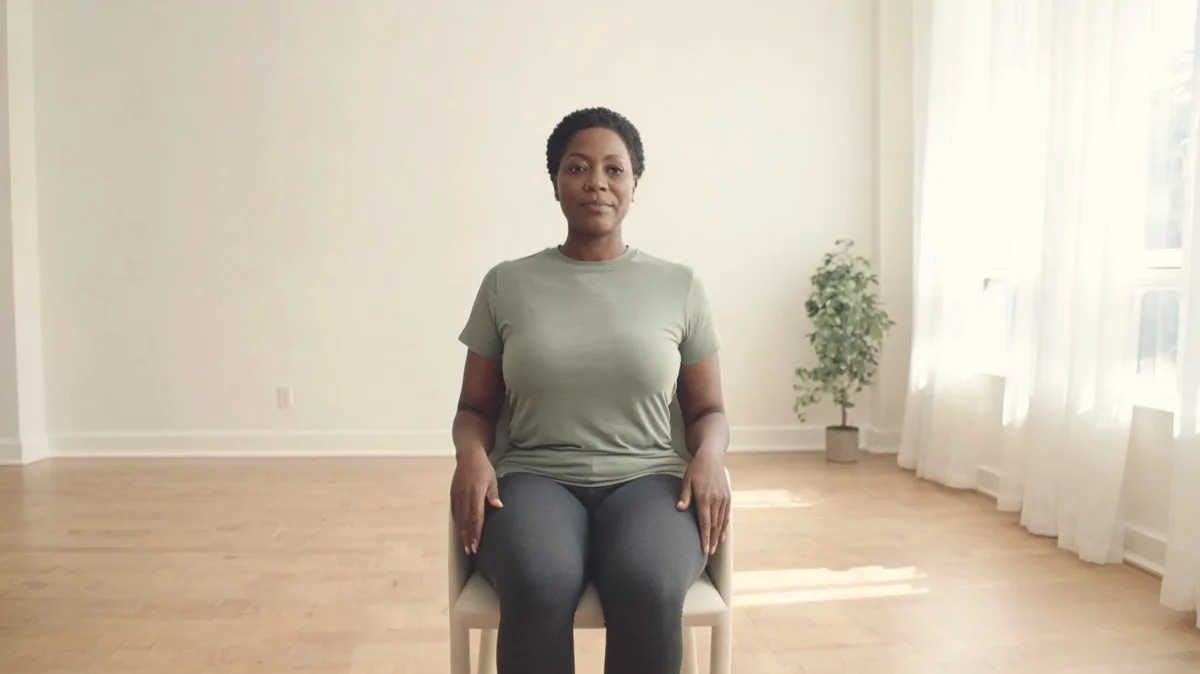
Strong mid-back muscles support good posture and take a huge amount of load off the neck. This exercise targets them directly.
- Sit or stand tall with your arms relaxed at your sides.
- Squeeze your shoulder blades together and slightly down, as if trying to hold a pencil between them. Keep your shoulders away from your ears.
- Hold for 5 seconds, then release.
- Repeat 10 times.
This is the perfect antidote to hours hunched over a desk or phone, and it pairs naturally with the chin tuck.
5. Levator Scapulae Stretch
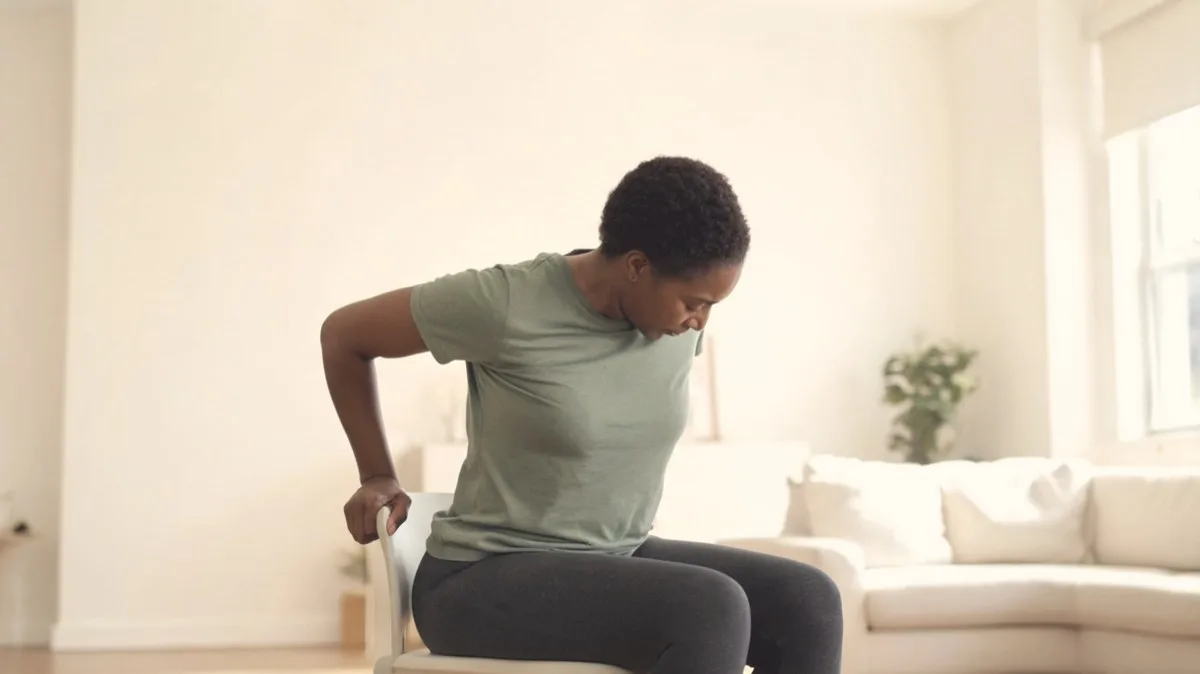
The levator scapulae runs from the upper neck to the shoulder blade and is very commonly tight in cervicalgia, often producing that sharp pain where the neck meets the shoulder.
- Sit tall. Turn your head about 45 degrees to the right (as if looking toward your armpit).
- Gently drop your chin down toward your chest until you feel a stretch in the back-left of your neck.
- Rest your right hand gently on the back of your head for a slightly deeper stretch.
- Hold for 15–20 seconds, then switch sides.
- Do 2 repetitions each side.
6. Upper Trapezius Stretch

A deeper, more targeted release for the large muscle running from your neck to your shoulder.
- Sit on your right hand (palm down) to gently anchor that shoulder down.
- Tilt your head to the left and slightly forward, toward your left armpit.
- Use your left hand to add a very gentle overpressure if comfortable.
- Hold for 15–20 seconds, then switch sides.
- Do 2 repetitions each side.
How Often Should You Do These Exercises?
Consistency matters far more than intensity. A gentle routine done every day will outperform an aggressive session done once a week, and aggressive stretching often makes neck pain worse. Aim to run through the full set once or twice daily. The stretches (2, 3, 5 and 6) can be repeated more often if they bring relief, while the strengthening exercises (1 and 4) are best done two or three times a day with rest in between. Most people start to feel some relief within the first week, with more lasting improvement over three to six weeks of consistent practice as the muscles genuinely adapt.
To get the most out of the routine, warm up first with heat or a few minutes of massage, and protect your progress overnight with a supportive pillow that keeps your neck aligned while you sleep. Exercise during the day and poor neck support at night will simply cancel each other out.
Mistakes That Can Make Neck Pain Worse
- Full neck circles (head rolls). Rolling the head all the way around compresses the small facet joints at the back of the neck. Stick to the controlled movements above.
- Forcing the stretch. More is not better. Pushing into pain triggers the muscle to tighten protectively, the opposite of what you want.
- Holding your breath. Breathe slowly and steadily; it helps the muscles relax and release.
- Stopping the moment it feels better. The pain easing is the start, not the end. Keep the routine going to fix the underlying weakness and prevent recurrence.
- Ignoring your posture the rest of the day. Ten minutes of exercise cannot undo eight hours of slouching. Pair the routine with a better workstation setup and an awareness of text neck.
When to See a Professional
These exercises help the large majority of everyday cervicalgia, but some situations need hands-on assessment. See a doctor or physical therapist if your pain is severe or steadily worsening, if it followed an accident or injury, if it has not improved at all after two to three weeks of consistent self-care, or if you have numbness, tingling or weakness spreading into your arms or hands. A physical therapist can also tailor a program to your specific muscle imbalances, which speeds up recovery considerably.
Frequently Asked Questions
Can exercise make cervicalgia worse?
Gentle, correct exercise almost always helps. It only makes things worse if you force movements into sharp pain, use momentum, or do aggressive head rolls. Stay within a comfortable range, move slowly, and stop if pain increases or radiates into the arm.
How long until exercises relieve neck pain?
Many people feel some relief immediately after stretching, as tight muscles release. Lasting improvement, from actually strengthening the supporting muscles, usually takes three to six weeks of daily practice.
How many times a day should I do neck exercises?
Once or twice through the full routine each day is ideal. The chin tuck and shoulder blade squeeze can be done more frequently, they are easy to slip in at your desk a few times a day.
Should I use heat or ice with neck exercises?
Use heat before exercising to warm and loosen the muscles so they stretch more easily. Ice is more useful afterward only if you have an acute, inflamed flare-up and the area feels hot or swollen.
Can I do these exercises during an acute flare-up?
During the first day or two of a severe flare, keep to very gentle, pain-free movement only. As the acute pain settles, gradually reintroduce the stretches, then the strengthening exercises. Never push into sharp pain during a flare.
Are these neck exercises safe if I have a desk job?
Yes, in fact they are ideal for desk workers, because they directly counteract the forward-head posture that desk work creates. Combine them with regular movement breaks and a properly set-up chair and screen for the best results.
The information on this site is based on personal experience and research. It’s not medical advice. Always consult a qualified healthcare professional for diagnosis and treatment.
This guide combines personal experience of living with neck pain with guidance from the medical sources below. It’s general information, not a diagnosis or medical advice. See our medical disclaimer.
Sources and further reading
Was this guide helpful?
Thank you. Your feedback helps us improve.