
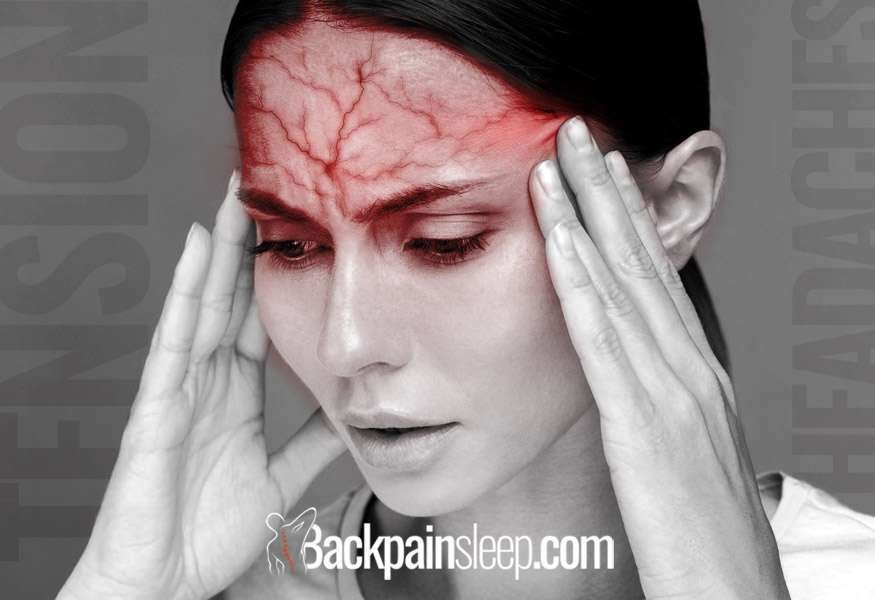
- Tension headaches are the most common type, felt as a band of pressure around the head.
- The main driver is tight muscles in the neck, shoulders and jaw, often from stress and posture.
- Most cases respond to drug-free steps: heat, massage, posture fixes and better sleep.
- See a doctor if a headache is sudden, severe, or different from your usual pattern.
Tension headaches are the most common type of headache in the world, the great majority of adults will have one at some point, and for many people they become a regular, life-disrupting problem. The good news is that they are also one of the most manageable types of headache once you understand what drives them. This complete guide explains what tension headaches are, why they happen, how to treat one quickly, and how to stop them coming back.

We come to tension headaches as long-term sufferers, not just writers. A decade of managing our own has taught us what tends to trigger them and what actually settles them, and that is what this guide is built on, checked against the medical sources.
What Is a Tension Headache?
A tension headache is a pain or pressure that typically feels like a tight band squeezing around the head. It’s driven largely by muscle tension in the head, neck, shoulders and scalp, combined with the way the nervous system processes that tension and pain. Unlike a migraine, a tension headache is usually mild to moderate, affects both sides of the head, and is not made dramatically worse by everyday activity like walking or climbing stairs.
Doctors divide tension headaches into two types. Episodic tension headaches happen now and then, usually triggered by a stressful day, poor sleep or dehydration. Chronic tension headaches occur 15 or more days a month over at least three months, and need a more structured approach, and usually a doctor’s input.
Tension Headache Symptoms
- A dull, aching pain across the whole head
- A sensation of tightness or pressure, like a band around the forehead and temples
- Tenderness in the scalp, neck and shoulder muscles
- Pain on both sides of the head rather than one
- Pain that is steady rather than throbbing
- A feeling of pressure behind the eyes
Crucially, tension headaches usually lack the nausea, vomiting and severe light and sound sensitivity that define migraines. If those features are present, you may be dealing with a migraine instead, see tension headache vs migraine, or with both at once.
What Causes Tension Headaches?
The root cause is usually sustained muscle tension in the neck, shoulders and scalp. When those muscles stay contracted, whether from stress, poor posture, eye strain or fatigue, they refer pain up into the head. Common triggers include stress and anxiety, hunching over a screen, an outdated glasses prescription, dehydration, skipped meals, poor or irregular sleep, and caffeine swings. We cover all of these, and how to control each one, in tension headache causes and triggers.
How to Get Rid of a Tension Headache
Most tension headaches respond well to simple measures, and you can often head one off before it builds:
- Drink water. Dehydration is one of the most common and overlooked causes, a large glass of water relieves many headaches within half an hour.
- Apply heat to the neck and shoulders to relax the muscles referring pain into the head.
- Massage the neck, shoulders, temples and the base of the skull, see tension headache massage.
- Use acupressure points, see pressure points for headaches.
- Rest briefly in a calm, low-light space and practice slow, deep breathing.
- Use over-the-counter pain relief occasionally, but not too often, as frequent use can cause medication-overuse (rebound) headaches.
For a full drug-free toolkit, see how to get rid of a headache without medication.
How to Prevent Tension Headaches
Prevention is far more effective, and far less exhausting, than treating each headache as it comes. The key levers are managing stress, fixing your posture and workstation, keeping a consistent sleep schedule, staying hydrated, eating regularly, and releasing neck tension daily with a few minutes of stretching or massage. Because so many tension headaches start in the neck, addressing neck health is one of the highest-impact things you can do. Our complete plan is in how to prevent tension headaches.
Tension Headaches and Your Neck
It’s hard to overstate how closely tension headaches are linked to the neck. The muscles at the base of the skull, when chronically tight, refer pain directly into the head, and the same forward-head posture that causes text neck and cervicalgia is a leading cause of tension headaches too. This is also why the line between a tension headache and a cervicogenic (neck-origin) headache can be blurry. The practical upshot: improving your neck posture, sleeping on a supportive pillow, and releasing neck tension regularly will reduce your headaches as a side effect.
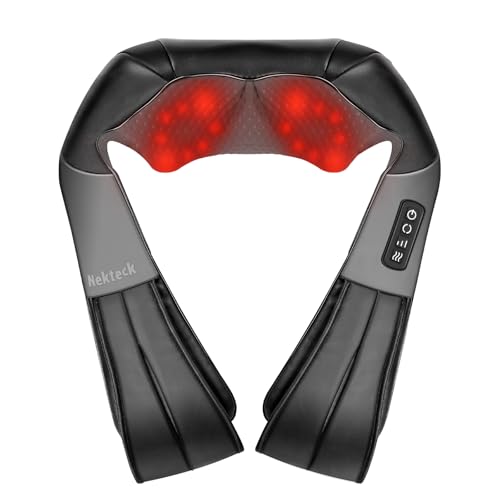 What we use
Nekteck Shiatsu Neck & Shoulder Massager with Heat
Since these headaches so often start in the neck, this is the tool that treats the cause rather than the symptom. Heat setting, ten minutes.
Check the Nekteck massager on AmazonAs an Amazon Associate we may earn from qualifying purchases, at no extra cost to you.
When to See a Doctor
See a doctor if your headaches are frequent (15+ days a month), suddenly more severe or different from your usual pattern, or accompanied by neurological symptoms such as vision changes, weakness, confusion or difficulty speaking. A sudden, severe “thunderclap” headache unlike any before needs urgent medical attention.
Frequently Asked Questions
How long do tension headaches last?
They can last from 30 minutes to several days. Episodic ones come and go quickly; chronic tension headaches can be near-constant and need medical management.
Are tension headaches dangerous?
Tension headaches themselves are not dangerous, but frequent or changing headaches should be assessed by a doctor to rule out other causes and to treat them properly.
What is the difference between a tension headache and a migraine?
Tension headaches are a steady, band-like pressure on both sides, mild to moderate, without nausea. Migraines are throbbing, often one-sided, moderate to severe, and usually come with nausea and strong light sensitivity.
Can neck problems cause tension headaches?
Yes, very commonly. Tight neck and base-of-skull muscles refer pain into the head, and poor neck posture is one of the leading causes. Improving neck health often reduces headaches significantly.
Why do I get a tension headache every day?
Daily headaches usually point to a constant underlying trigger, ongoing stress, poor posture, an unsupportive pillow, dehydration or medication overuse. A headache diary helps identify it, and daily headaches warrant a doctor’s review.
The information on this site is based on personal experience and research. It’s not medical advice. Always consult a qualified healthcare professional for diagnosis and treatment.
This guide combines personal experience of living with tension headaches with guidance from the medical sources below. It’s general information, not a diagnosis or medical advice. See our medical disclaimer.
Sources and further reading
Was this guide helpful?
Thank you. Your feedback helps us improve.