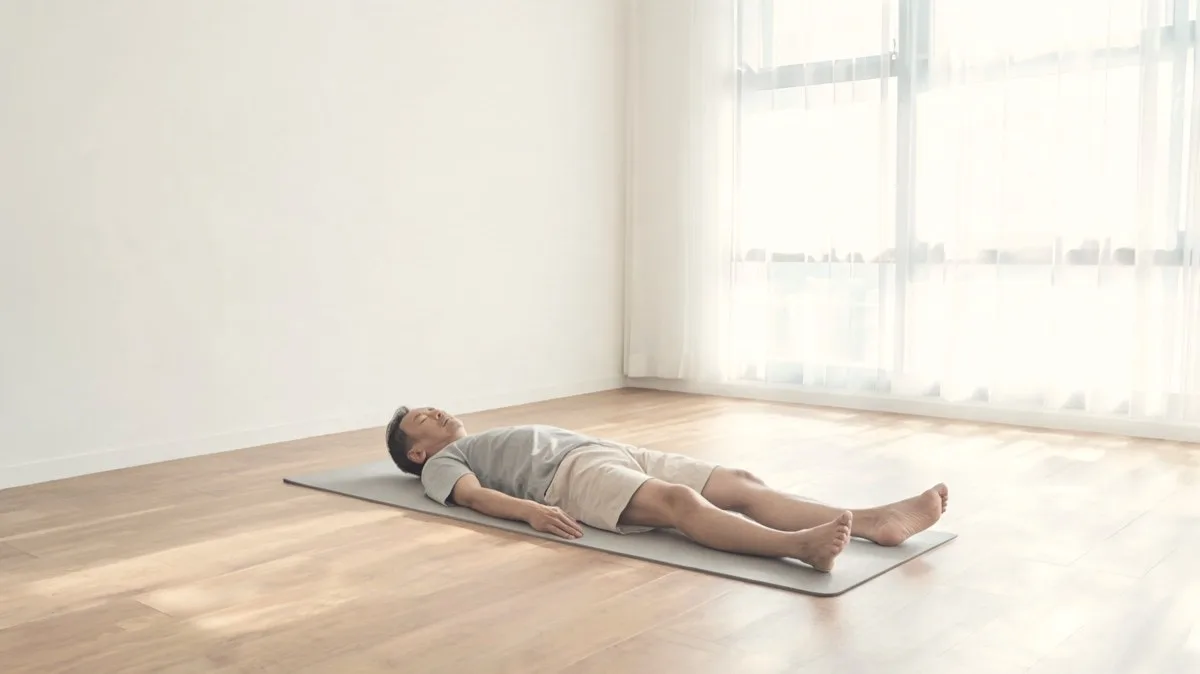

Knowing how to stop neck pain depends on understanding what is causing it. Most neck pain falls into one of two categories: acute pain from a specific incident or sleeping awkwardly, and chronic pain from sustained posture, tension, or an underlying condition like cervicalgia or occipital neuralgia. The approach differs, but these eight methods cover both.
1. Fix your sleeping setup
The most overlooked cause of persistent neck pain is an unsupportive pillow. A pillow that lets your head drop, rises too high, or provides no cervical support puts the neck into an uncomfortable position for seven or eight hours. A cervical contour pillow that keeps the neck in a neutral position overnight is the single most impactful change most people can make. See our guide to the best pillows for neck pain.
2. Apply heat to tight muscles
Neck pain driven by tight muscles responds well to heat. Apply a heat pad or heated neck massager to the upper trapezius, the base of the skull, and the sides of the neck for 15 to 20 minutes. Do not apply heat during the first 48 hours of an acute injury when inflammation is active: use cold instead.
3. Perform chin tucks
The chin tuck is the most evidence-supported exercise for neck pain and works for almost every pattern of neck pain. Gently pull your chin back as if making a double chin, without tilting the head. Hold for 5 seconds and repeat 10 times. This directly addresses forward head posture, one of the most common drivers of chronic neck pain.
4. Use a neck massager
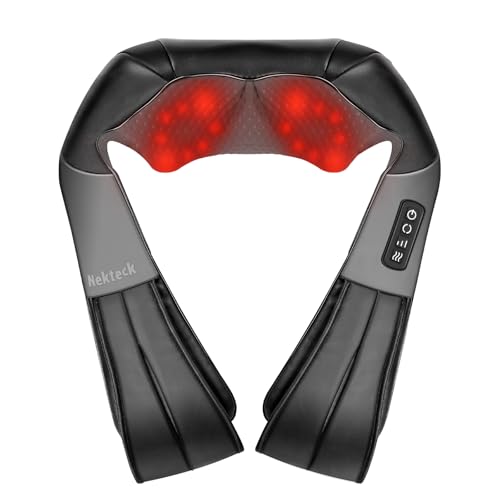
A shiatsu neck massager with heat targets the muscles that most commonly drive neck pain: the suboccipitals, upper trapezius, and sternocleidomastoid. Ten minutes before bed consistently reduces next-morning stiffness. Using it mid-day if tension is building prevents pain from escalating through the afternoon.
 What we use
Nekteck Shiatsu Neck & Shoulder Massager with Heat
The massager from step 4. Rotating nodes with a heat setting, aimed at the muscles that stay tight between the shoulder and the base of the skull.
Check the Nekteck massager on AmazonAs an Amazon Associate we may earn from qualifying purchases, at no extra cost to you.
5. Correct your workstation
If you work at a desk, your screen height and chair setup directly affect your neck. Your screen should be at or slightly below eye level so your head does not tilt forward or backward. Your chair should support your lumbar spine and allow your shoulders to relax. These two adjustments alone reduce neck pain significantly in desk workers.
6. Take regular movement breaks
Sustained postures, even good ones, cause muscle fatigue and tension. The 20-20-20 rule is a useful minimum: every 20 minutes, move and look away from your screen for 20 seconds. Standing up and doing 5 chin tucks takes less than a minute and makes a disproportionate difference.
7. Address stress
Psychological stress causes people to hold chronic tension in the neck and shoulders, often without realizing it. If your neck pain worsens during stressful periods, stress management is a meaningful part of the solution alongside physical interventions.
8. See a physical therapist
If your neck pain has persisted for more than two to three weeks despite addressing the obvious causes, a physical therapist can assess the specific pattern of your pain and provide a targeted exercise program. Do not wait too long: early intervention prevents acute pain from becoming chronic.
Frequently Asked Questions
How do I relieve neck pain fast?
Apply heat (or cold if acute), perform chin tucks, and use a neck massager if you have one. Drinking water also helps, as dehydration is an underappreciated contributor to muscle tension. These three things together provide the fastest relief without medication.
What causes neck pain to come back?
The most common reasons for recurring neck pain are an unsupportive pillow, sustained forward head posture, and inconsistent management. Addressing all three prevents the cycle of improvement and relapse that many people experience.
Understanding which type of neck pain you have
The eight methods above address most patterns of neck pain, but the most effective approach depends on identifying the specific cause. Neck pain broadly divides into three categories, each with a slightly different management priority.
Postural neck pain
The most common pattern, driven by sustained forward head posture at a screen or while looking down at a phone. The neck muscles fatigue holding the weight of the head in a forward position, and the suboccipital muscles become chronically tight. This responds very well to chin tucks, workstation correction, and regular movement breaks.
Cervicalgia and disc-related neck pain
Pain from cervical disc problems tends to be more persistent, may radiate into the shoulder or arm, and can include numbness or tingling in the fingers. Heat helps with muscle spasm, but the underlying disc issue requires professional assessment. Physical therapy, specific mobilization exercises, and in some cases imaging are warranted. See our full guide on what is cervicalgia for more.
Occipital neuralgia
Occipital neuralgia produces pain from the base of the skull up through the back of the head and often behind the eyes. It’s commonly misdiagnosed as a tension headache or cervicogenic headache. The management is more specific than general neck pain and includes targeted suboccipital massage, a specialist cervical pillow, and sometimes nerve block injections for severe cases. See our complete guide to occipital neuralgia for a full overview.
Pillow choice and overnight neck pain
If your neck pain is consistently worst in the morning and improves through the day, your pillow is the primary suspect. A pillow that is too high, too low, or too soft allows the neck to fall into an unsupported position for the entire night. Given that we spend roughly a third of our lives in bed, even a modest improvement in overnight neck position compounds significantly over time.
The single most impactful change most people can make for recurring neck pain is switching to a properly fitted cervical contour pillow. See our buyer guide to the best pillows for neck pain for detailed recommendations by sleep position.
Neck pain and tension headaches
Neck pain and tension headaches are often the same problem presenting in different locations. The upper trapezius and suboccipital muscles drive both simultaneously. If you manage your neck pain and your tension headaches reduce as a side effect, or vice versa, this is why. A neck massager that addresses both muscle groups at once is one of the most efficient tools for people dealing with both.
When neck pain becomes urgent
Most neck pain is uncomfortable but not dangerous. Seek urgent medical attention if your neck pain: follows a significant injury or fall, comes with severe headache and fever (possible meningitis), causes weakness, numbness or clumsiness in the hands or arms, or is accompanied by difficulty walking or problems with balance or bladder control. These features require same-day medical assessment.
This guide combines personal experience of living with neck pain with guidance from the medical sources below. It’s general information, not a diagnosis or medical advice. See our medical disclaimer.
Sources and further reading
Was this guide helpful?
Thank you. Your feedback helps us improve.