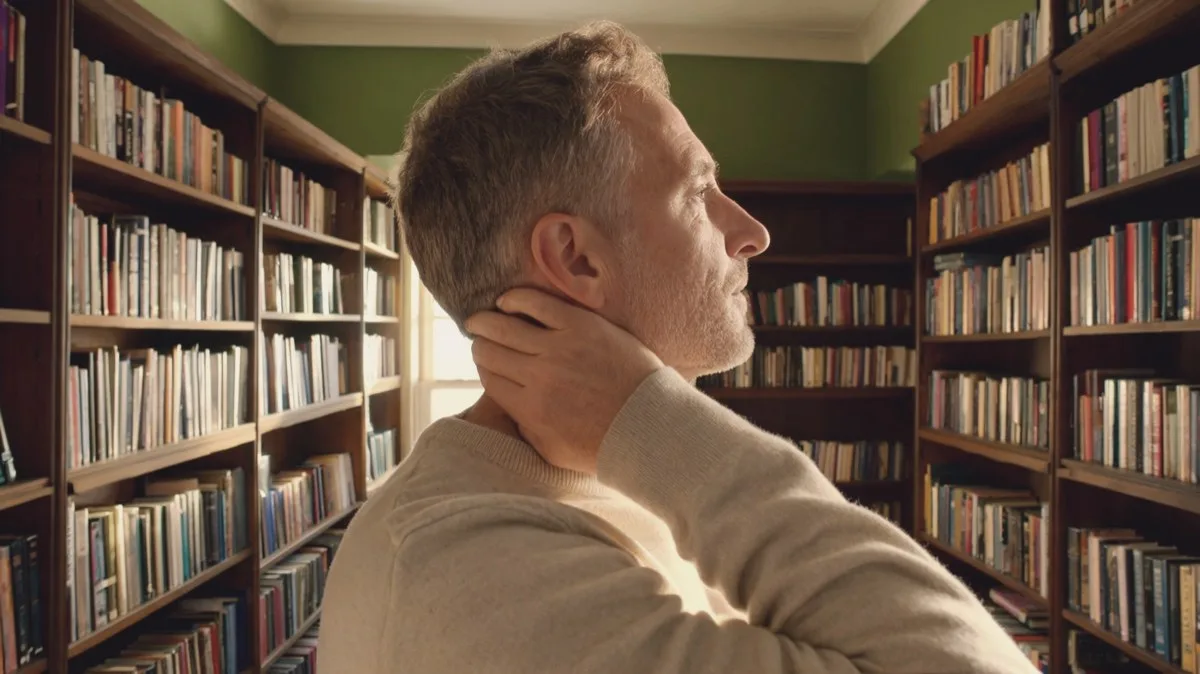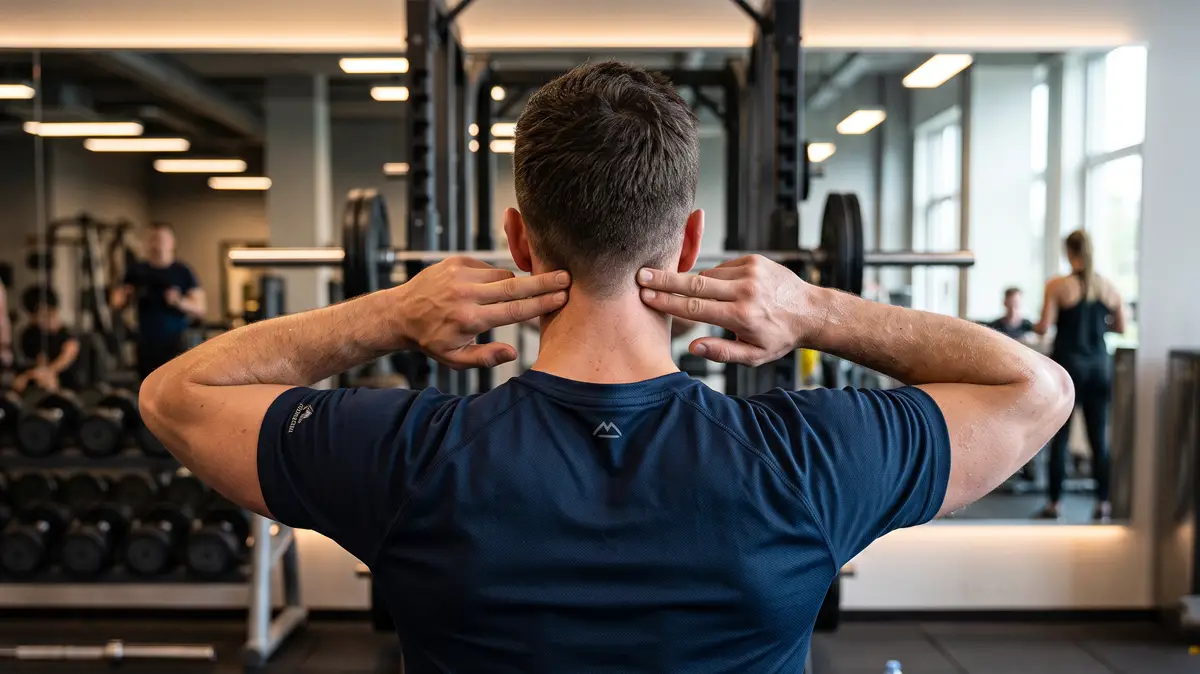

- Cold genuinely worsens neck and nerve pain for many sufferers: muscles guard against chill, and guarded muscles crowd irritable nerves.
- The neck is uniquely exposed, the one pain-prone region we routinely leave bare to the weather.
- The winter playbook is simple: keep the neck covered, front-load heat sessions, and do not let the season shrink your movement.
- A scarf is legitimate medical equipment for this crowd, and we mean that completely seriously.
Cold weather and nerve pain have a relationship every long-term sufferer discovers for themselves, usually in the first sharp week of late autumn: the neck stiffens earlier in the day, the skull base grips, and flares that summer kept rare start finding their rhythm again. After more than a decade of occipital neuralgia and neck trouble, we treat the turn of the season as a management event, as real as a deadline week, and prepare for it the same way, with a checklist, a restocked kit and zero surprise. Here is why winter genuinely is harder on painful necks and irritable nerves, which parts are mechanism and which are myth, and the cold-season playbook that keeps the worst of it theoretical.
Why cold makes it worse: the honest mechanisms
The first mechanism is muscular and unambiguous. Cold skin triggers reflexive muscle tension, the body’s insulation strategy, and nowhere does that matter more than the neck and shoulders, which hunch protectively the moment a cold wind finds them. Hunched, chilled muscles are shortened, under-supplied and guarded, and for those of us whose nerves thread through exactly that musculature, the sequence writes itself: chill, clench, crowd, flare. The second mechanism is circulatory: cold constricts surface blood vessels, and tissue that was already marginal on supply gets less. The third is behavioral and quietly the biggest: winter shrinks movement. Walks shorten, stretching lapses, we sit longer and curl smaller, and the season harvests all of it. Nerve tissue itself may also simply be more excitable with temperature shifts, many sufferers swear by the pressure-change effect too, and while the research on weather and pain is genuinely mixed, the lived pattern across the community is consistent enough that we plan around it without apology.
The exposed-neck problem
Consider how oddly we treat this region. Nobody with knee trouble walks winter streets with the knee bare, yet the neck, carrying its freight of joints, muscle and nerve, goes uncovered into wind that would earn any other joint a fleece layer. For occipital neuralgia specifically the exposure is worse: the skull base sits exactly at the collar line, catching every draft, and a cold-stiffened suboccipital group is the classic overture to a flare. This is why we call the scarf medical equipment without irony: a soft, non-scratchy scarf or neck gaiter, worn whenever the temperature would make you zip a jacket, is the cheapest flare prevention winter offers. Indoors counts too, the draft from a poorly sealed window at a desk can chill a neck for eight sedentary hours, which is a dose no evening heat session fully repays.
The winter playbook for cold weather and nerve pain
- Cover the neck as policy, outdoors below jacket temperature and indoors against drafts. Soft materials only; a scratchy collar on a sensitized neck is its own provocation.
- Front-load the heat. Winter is when the heat wrap earns its year-round place: a morning session before the commute on cold days, and the standard evening session on loaded ones. Treat heat as prevention in winter, not just response.
- Defend the movement budget. The season will steal your walks if you let it; schedule indoor replacements deliberately, and keep the daily neck routine running precisely because everything else has shrunk.
- Warm the car before you fight it. Scraping ice with a cold-clenched neck, then driving with cold air on it, is a flare recipe; two minutes of cabin warm-up and vents aimed away from the neck are cheap insurance (the full driving setup is in our driving guide).
- Hold the night line. Cold bedrooms drive people into curled, hunched sleeping postures that undo good pillow setups; warm the bed (the room can stay cool) so your body does not improvise insulation with its shoulders.
- Keep the flare kit staged. Winter is exactly when the kit pays for itself; restock it in October like the season opener it is.
 What we use
Carex Bed Buddy Heat Pad and Cooling Neck Wrap
For the exposed-neck problem above. Microwave heat that sits in the curve where the skull meets the neck, and it doubles as a cold wrap in summer.
Check the Carex wrap on AmazonAs an Amazon Associate we may earn from qualifying purchases, at no extra cost to you.
Indoor winter: the heating-season traps
Cold is not winter’s only weapon. Heating season brings its own traps: the dry air that quietly dehydrates (dehydration stacks headache on headache), the space heater aimed at the legs while a window draft works the neck, and the great winter sofa migration, where evenings collapse into curled positions under blankets with a phone six inches from the chin. Enjoy the blanket, genuinely, but sit the way your neck needs anyway: supported upright, phone raised, and the evening heat session done as its own event rather than replaced by ambient coziness that warms everything except the muscles that matter. And watch the winter workstation drift: heavier clothes subtly change chair fit and shoulder position, and the darker months push screens brighter and faces closer. The desk rules do not hibernate.
The October checklist
Our season-opener ritual, transferable as-is: scarf and gaiter located and by the door; wrap tested and its microwave timings re-memorized; cold pack back in the freezer; the draft at the desk found and blocked; the winter walking plan named (route, time, backup); and the bedroom warmed to the point where the shoulders can stand down all night. Twenty minutes in October, and the season arrives at a household that was expecting it. That checklist, in one image, is the whole philosophy this entire site keeps arriving at from every direction: the condition rewards preparation over reaction, in winter most of all.
When winter is not the whole story
A caution against over-crediting the thermometer: winter also concentrates the other flare ingredients, year-end stress, disrupted routines, travel, shorter daylight and worse sleep, and blaming the cold for what the calendar is doing can hide fixable causes. If your winter worsening is dramatic rather than dial-shift, or brings new symptoms (numbness, weakness, color changes in extremities, or pain patterns unlike your usual), that deserves assessment on its own merits rather than a seasonal shrug. And if low mood rides along with the dark months, treat that as real too: pain and mood feed each other in both directions, and the winter version of this condition is measurably harder when both are unmanaged.
Frequently asked questions
Why does cold weather make my neck and nerve pain worse?
Three mechanisms stack: cold triggers protective muscle tension exactly where your nerves pass through, surface circulation drops, and winter quietly shrinks the movement that keeps the region healthy. The research on weather and pain is mixed, but the lived pattern is consistent enough to plan around.
Does covering your neck really help?
Yes, and it’s the cheapest intervention in the winter playbook: a soft scarf or gaiter prevents the chill-clench reflex at the collar line where the occipital region is most exposed, outdoors and against indoor drafts alike.
Should I use more heat therapy in winter?
Most sufferers benefit from shifting heat from reactive to preventive in the cold months: a short morning session before cold-weather commutes and the usual evening session on loaded days, always within the standard warm-not-hot and twenty-minute rules.
Is it the cold or the pressure changes that cause flares?
Honestly, the science is unsettled for both, and many sufferers report sensitivity to weather fronts as much as temperature. Practically it rarely matters which: the countermeasures, warmth, movement, managed stress and a staged kit, are identical either way.
The health information in this guide is supported by the trusted medical sources below. It’s general information, not a diagnosis or medical advice. See our medical disclaimer.
Sources and further reading
Was this guide helpful?
Thank you. Your feedback helps us improve.