
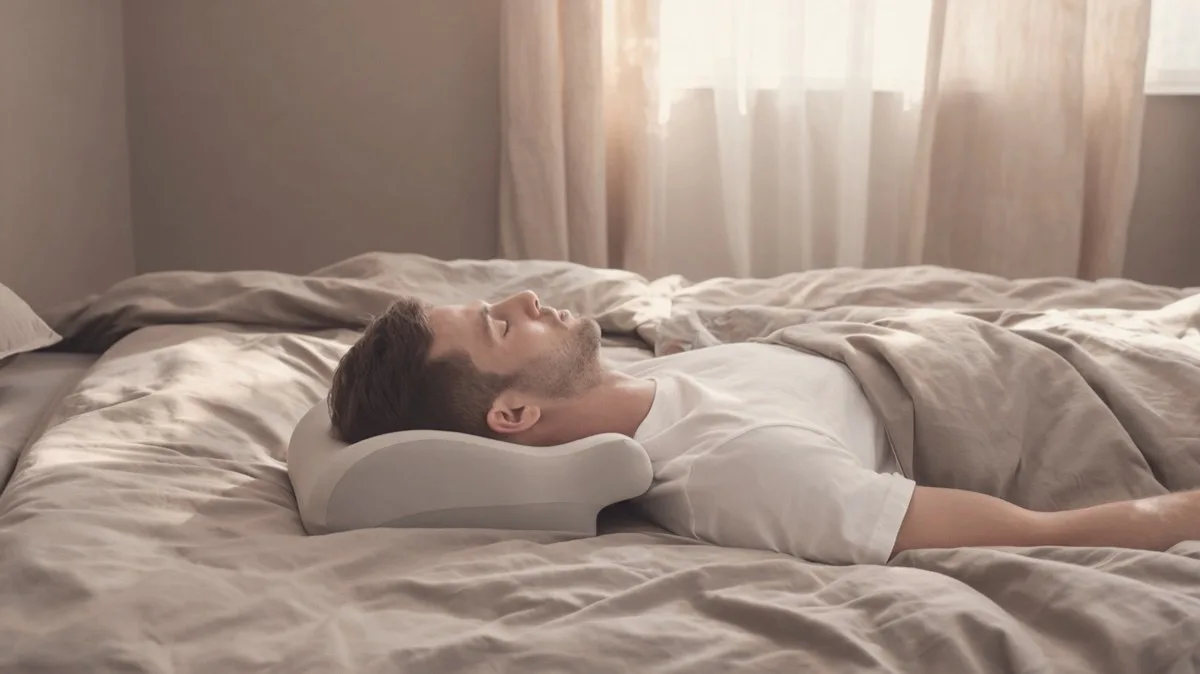
- Cervical traction can help occipital neuralgia by decompressing the upper neck and easing the muscle tightness that irritates the occipital nerves.
- It helps the mechanical side of the condition, not the nerve itself: expect meaningful but temporary relief that rewards daily consistency.
- Start with two to three gentle minutes; a flared, hypersensitive neck may not tolerate traction at all at first.
- Recent injury, arm numbness or weakness, or diagnosed spinal conditions mean professional advice before any home traction.
Cervical traction for occipital neuralgia is one of the most asked-about tools in this community, and one of the least explained. Does cervical traction help occipital neuralgia? For many sufferers, yes, meaningfully, and understanding why tells you whether it’s likely to help yours. Traction does not treat the occipital nerves directly. What it does is change the environment those nerves live in: a gentle sustained stretch that opens the compressed architecture of the upper neck and lowers the tone of the suboccipital muscles the nerves thread through. When your flares have that jammed, compressed, skull-sitting-on-a-clenched-fist quality, decompression is precisely the sensation your neck is asking for. After more than a decade with this condition, we count those few minutes of unloading among the most reliable comforts in the routine, and also among the most misunderstood, so this guide covers what traction genuinely does, what it cannot do, and how to try it without making a sensitive neck angrier.
Why cervical traction for occipital neuralgia makes mechanical sense
The greater and lesser occipital nerves emerge from between the top vertebrae of the neck and pass through several layers of muscle on their way up the back of the head. That anatomy is the whole story of why mechanical factors matter so much: anything that narrows their path or tightens the muscle around them (sustained flexed postures, overnight kinks, stress-clenching, the general compression of a long upright day) increases irritation. Traction reverses the direction of force for a few minutes. The weight of the head is supported, the cervical spine elongates slightly, pressure inside the joints and around the nerve exits drops, and the muscles, no longer holding the head, get explicit permission to let go.
Notice what this predicts. Traction should help most when compression and muscle tightness dominate your picture, the end-of-desk-day flare, the woke-up-wrong morning. It should do least, or even feel unpleasant, when the nerve itself is acutely electric and everything is hypersensitive. That is exactly the split experienced users report, and it’s why we recommend trying traction between flares first, not at the peak of one.
What the evidence and experience honestly say
Formal research on home traction specifically for occipital neuralgia is thin; most traction evidence concerns neck pain and nerve-root irritation more broadly, where it shows short-term benefit for the right candidates. The practical evidence base is larger: clinical traction has been a physical therapy staple for decades, and the most popular home device has accumulated nearly 93,000 owner ratings, with pain relief and neck support the dominant themes and a recurring subplot of people whose headaches trace to their neck. Our own experience matches the honest middle of that record: real relief, arriving within minutes, lasting hours rather than days, and compounding when it happens daily. Anyone promising more than that is selling something.
How to try traction with a sensitive neck
- Choose the gentle end of the category. A contoured foam cradle (our pick in the full cervical traction device review) uses only the weight of your own head. Skip over-door pulley rigs entirely; they are the aggressive end and nothing about this condition wants aggression.
- Floor, not bed. A firm surface keeps the geometry right; mattresses swallow half the effect.
- Two to three minutes, not ten. Let the first week be underwhelming on purpose. Build session length only as your neck demonstrates it tolerates the stretch.
- Time it between flares. Traction is prevention and maintenance; a peaking flare wants heat and quiet, not new input.
- Exit slowly. Roll to your side and push up with your arms rather than lifting your head straight up, which re-clenches everything you just released.
- Pair it. The minutes after traction are a warm-muscle window: gentle chin tucks or the routine in our exercises guide land better then than at any other time of day.
A simple two-week trial protocol
Because traction is cheap and the answer is personal, the smartest approach is a structured trial rather than an opinion. Week one: two to three minutes, once daily, on a calm-neck day, at the same time each day (after work is ideal, before the evening tightness consolidates). Note how the neck feels one hour later and the next morning, one line in a phone note is enough. Week two: if week one was neutral or better, extend toward five to eight minutes and add a second short session on desk-heavy days. At the end of two weeks the note tells you the truth: mornings easier, evenings less compressed, flares shorter, or no signal at all. That is the difference between owning a tool and owning clutter.
One extra detail specific to this condition: the foam cradle’s raised ridges sit naturally against the suboccipital hollow, so resting there doubles as gentle sustained pressure on exactly the muscles our massage guide targets. Several minutes of that combined unload-and-press is, for us, the single most soothing position in the entire home toolkit on a heavy-head day.
 What we use
RESTCLOUD Neck and Shoulder Relaxer
The device the two-week trial above is written around. Start with very short sessions if your neck is sensitive, as described.
Check the RESTCLOUD relaxer on AmazonAs an Amazon Associate we may earn from qualifying purchases, at no extra cost to you.
When traction is the wrong tool
Do not use home traction without professional advice if you have had recent neck trauma or surgery, have diagnosed instability, severe osteoporosis, inflammatory arthritis affecting the neck, or any spinal cord involvement, or if your symptoms include new or worsening numbness, tingling or weakness in the arms or hands. Stop any session that produces sharp pain, dizziness, nausea or symptoms radiating beyond the usual territory. And keep the diagnostic door open: if what you call occipital neuralgia has never been formally assessed, patterns like these are exactly the ones worth taking to a clinician, because similar-looking conditions respond to different things.
Where traction sits in the toolkit
Our order of operations for the mechanical side of occipital neuralgia has not changed in years: nights first (the pillow and sleep setup decide more than everything else combined), then daily gentle mobility, then heat as the flare-management workhorse. Traction slots in as the decompression habit, most valuable for desk workers and for anyone whose flares carry that distinctive compressed heaviness. It’s inexpensive, it takes ten minutes once established, and unlike most things in this category you feel its mechanism working in real time, which does wonders for actually sticking with it.
Frequently asked questions
How quickly does traction relieve occipital neuralgia pain?
The decompression sensation is immediate, and muscle-level relief typically arrives within the session. Carryover builds with daily use: most people know within two weeks of short daily sessions whether traction earns its place in their routine.
Can traction cure occipital neuralgia?
No. It manages the mechanical aggravators, compression and muscle tightness, which for many sufferers are the biggest day-to-day drivers. The underlying condition needs the whole toolkit: sleep setup, movement, trigger management and, where needed, medical care.
Is it normal to feel worse after the first traction session?
Mild stretch-soreness and a strange unloaded feeling are common in the first week, which is why we start at two to three minutes. Sharp pain, dizziness or electric symptoms during or after a session are not normal: stop, and get assessed before continuing.
Traction or massage for occipital neuralgia?
Both target the same muscles from different angles: traction unloads and elongates, massage works the tissue directly. They combine well, and the foam-cradle devices effectively do a little of each. If you can only add one habit, we would start with whichever you will genuinely do daily.
The health information in this guide is supported by the trusted medical sources below. It’s general information, not a diagnosis or medical advice. See our medical disclaimer.
Sources and further reading
Was this guide helpful?
Thank you. Your feedback helps us improve.