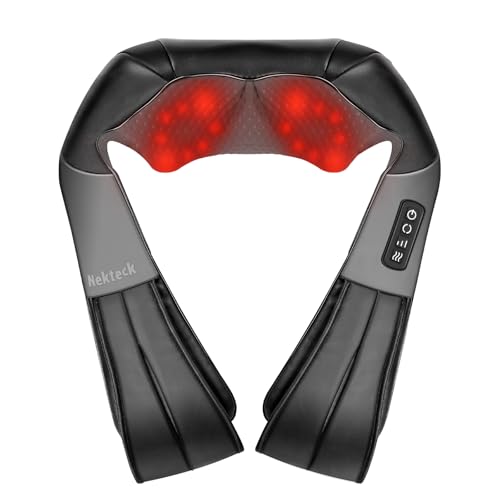
Nekteck Shiatsu Neck & Shoulder Massager with Heat
Rotating heated nodes that release the neck and shoulder tension behind most pain and headaches. Ideal before bed or before stretching.
Check the Nekteck massager on AmazonAs an Amazon Associate we may earn from qualifying purchases, at no extra cost to you.
Tension headache massage is one of the most effective and underused tools for managing that familiar band of pressure across the forehead and temples. After years of managing tension headaches ourselves, we find that a consistent daily massage routine reduces both the frequency and intensity of headaches significantly, without medication.
What tension headaches feel like
Tension headaches are typically described as a tight band or vice-like pressure around the head, most strongly felt at the forehead, temples, and the back of the head. They are the most common type of headache globally and are almost always driven by muscle tension in the neck and shoulders, poor posture, stress, and eye strain.
Unlike migraines, tension headaches are usually bilateral (both sides) and do not typically come with nausea or visual disturbances. They respond very well to massage because the root cause is muscular.
Why massage works for tension headaches
The key muscles involved in tension headaches are the suboccipital group (base of skull), the sternocleidomastoid (running down the side of the neck), and the upper trapezius (shoulders). When these muscles are chronically tight, they reduce blood flow, refer pain into the head, and can compress the occipital nerves.
Massage releases this tension directly at the source. A shiatsu neck massager with a heat function is particularly effective because the heat increases blood flow to the tight muscles before the rotating nodes work into them. Ten minutes before bed, consistently, makes a noticeable difference within a week.
Tension headache massage techniques
The base of the skull
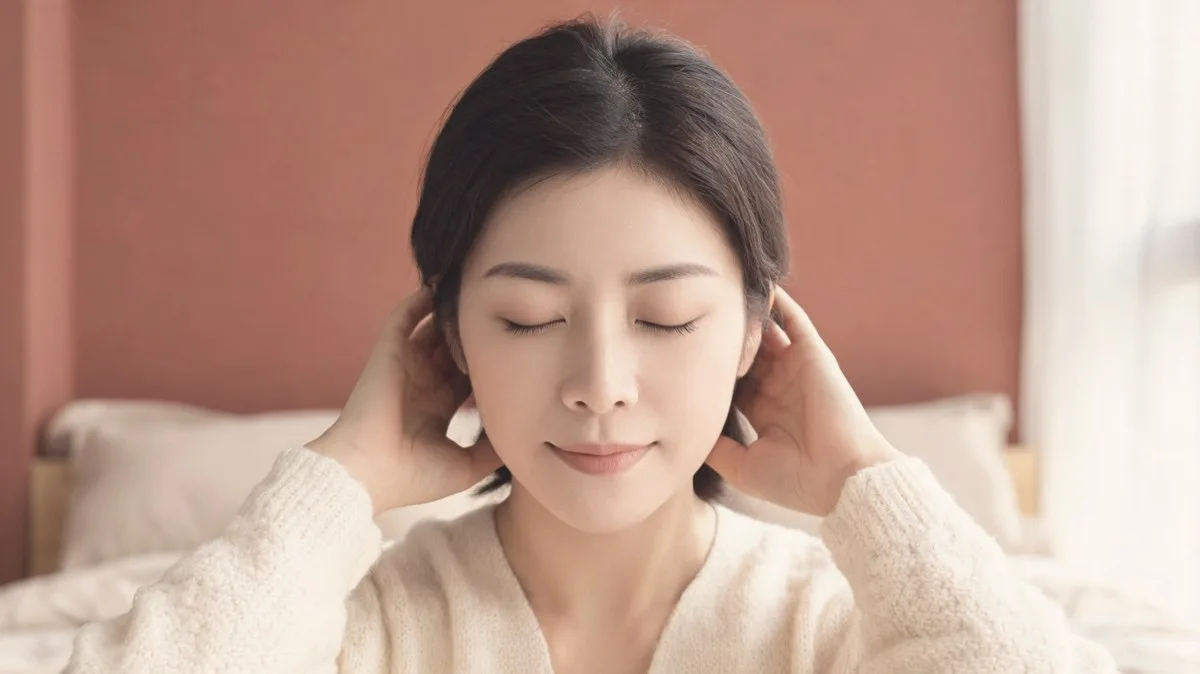
Apply firm but gentle circular pressure just below the bony ridge at the base of the skull on both sides of the spine. This is where the suboccipital muscles attach, and they are almost always the tightest and most tender in people with regular tension headaches. Hold pressure for 10 to 30 seconds, release, and repeat.
The temples
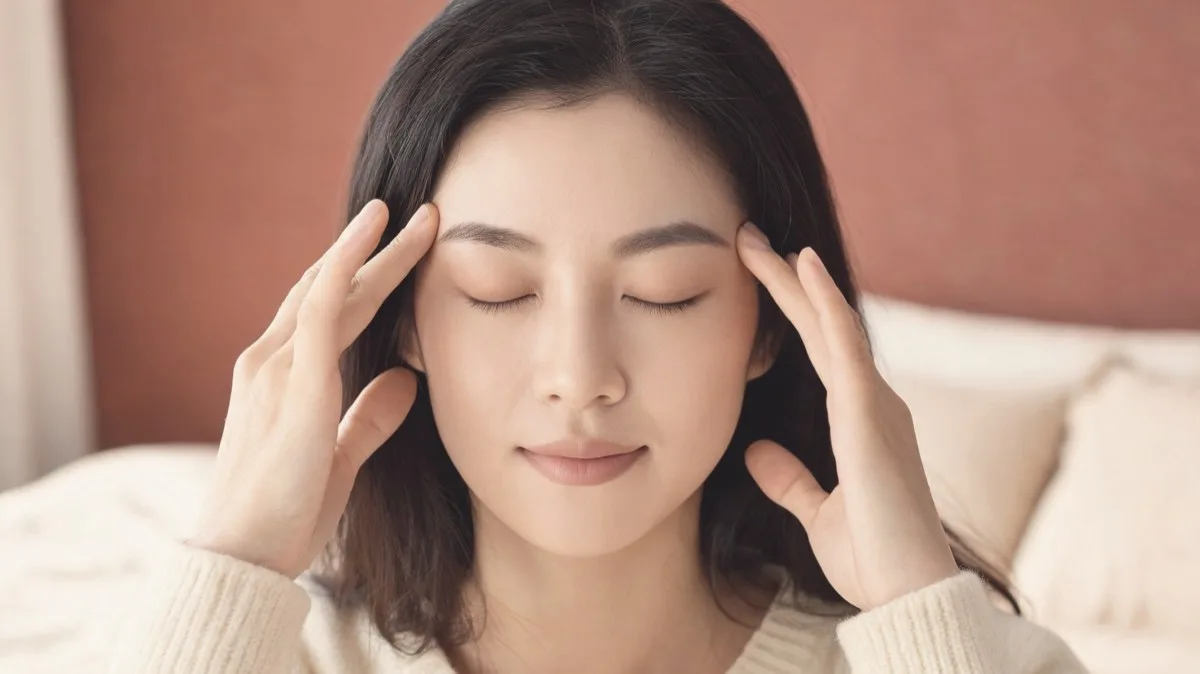
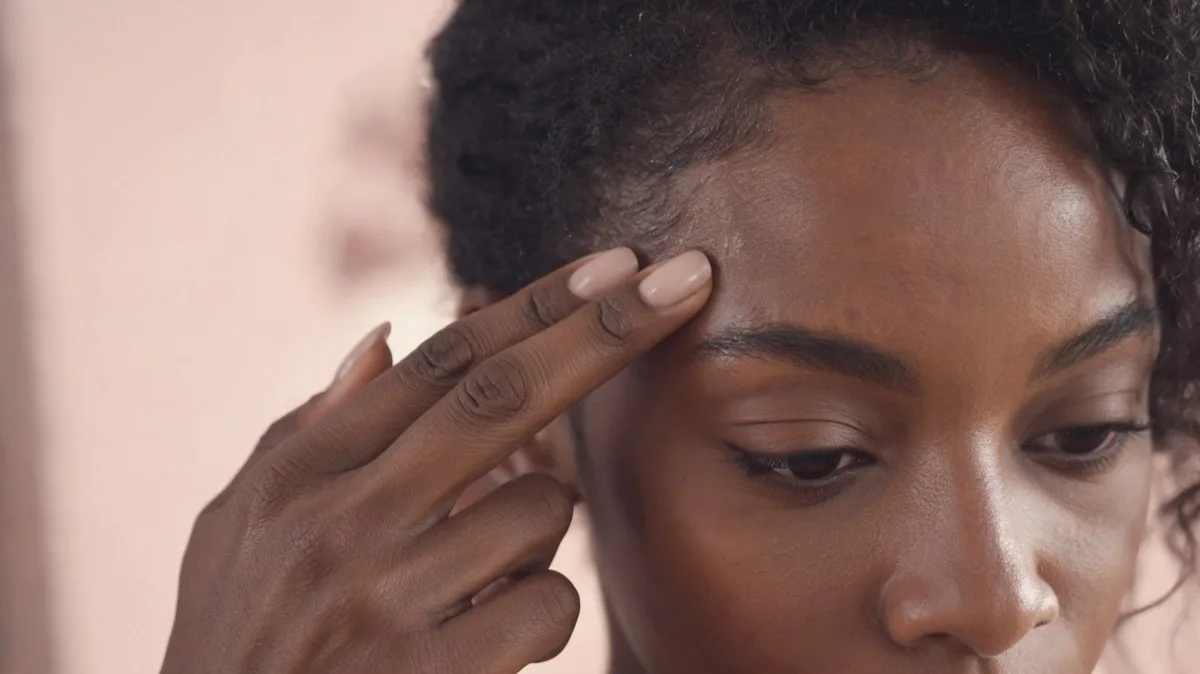
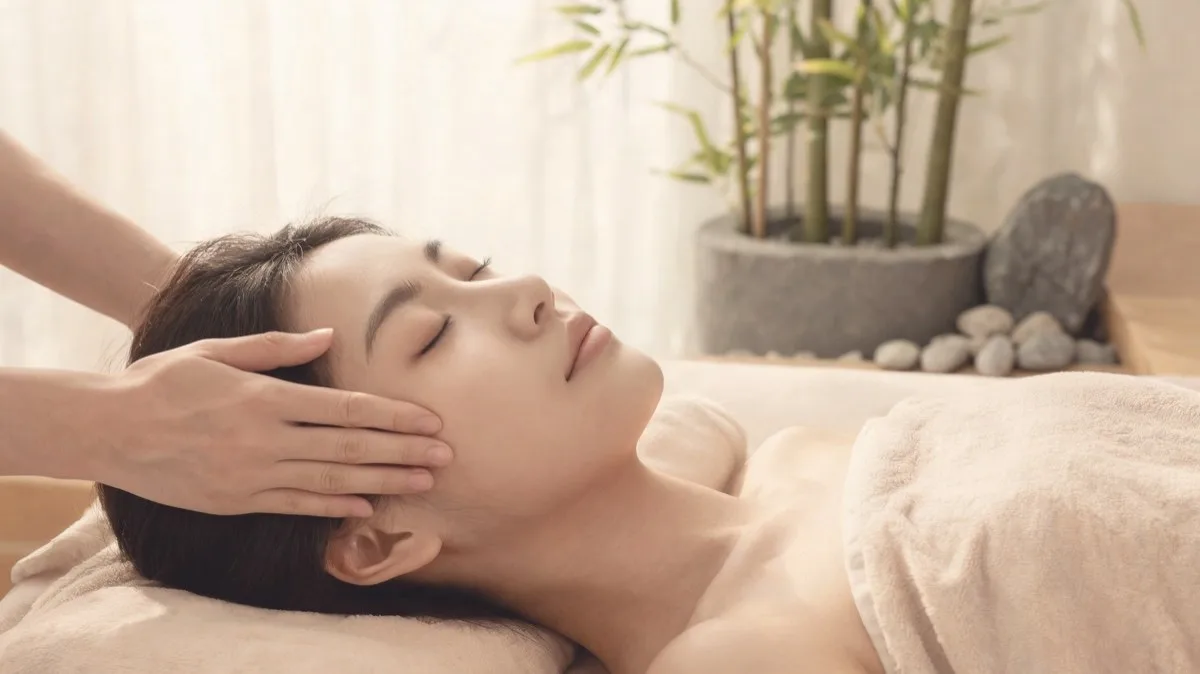
Using the fingertips, apply small circular movements to the temples. Use light to medium pressure and move slowly. This stimulates circulation and directly addresses the most common tension headache pain location.
The trapezius

The upper trapezius runs from the base of the skull across the top of the shoulder. Squeezing and kneading this muscle, or applying a massager across the top of the shoulders, releases tension that refers directly into the head. Many people are surprised how much headache relief comes from focusing here rather than on the head itself.
Using a neck massager for tension headaches
A shiatsu neck massager targets all three muscle groups simultaneously. We use ours twice a day: once mid-morning when tension starts building, and once before bed. The before-bed session is the one that made the biggest difference to our headache frequency. The heat function is not optional if you want the full benefit; it allows the nodes to work more deeply without discomfort.
Other relief methods that help alongside massage
- Applying a cold pack to the base of the skull during an active headache
- Staying well hydrated (dehydration is one of the most common and overlooked triggers)
- Correcting forward head posture at your desk
- Taking regular screen breaks using the 20-20-20 rule: every 20 minutes, look 20 feet away for 20 seconds
- Gentle neck stretches, particularly chin tucks and lateral tilts
Frequently Asked Questions
How quickly does massage relieve a tension headache?
For many people, relief begins within 5 to 15 minutes of consistent massage. The effect tends to be faster when you start early in the headache rather than waiting until it’s severe.
Can massage prevent tension headaches?
Yes. A consistent daily massage routine, even just 10 minutes, significantly reduces headache frequency for most people by keeping the trigger muscles from becoming chronically tight. Consistency matters more than duration.
Is it safe to massage your own head during a tension headache?
Yes, self-massage of the temples, base of skull, and upper shoulders is safe and effective during a tension headache. Use light to medium pressure and stop if anything sharpens the pain.
A daily tension headache massage routine
We follow a specific sequence that takes 10 to 15 minutes and produces the most consistent relief. Perform it before bed every night, and again mid-day if tension is building.
- Minutes 1 to 5: Use the neck massager on the heat setting across the upper trapezius and sides of the neck. Let the heat penetrate before the nodes start working deeply.
- Minutes 5 to 8: Move the massager to the base of the skull and apply it to the suboccipital area. Apply gentle downward pressure to increase contact.
- Minutes 8 to 10: Self-massage the temples with circular fingertip pressure, and apply sustained thumb pressure to GB20 (the hollows at the base of the skull either side of the spine).
Self-massage techniques in detail
The trapezius squeeze
Reach across your body with one hand and squeeze the muscle at the top of the opposite shoulder, working from the neck outward to the shoulder edge. Use firm but not painful pressure and move slowly. Spend at least 30 seconds on each side. This is the muscle that most directly feeds tension headaches via the upper trapezius and its connection to the base of the skull.
Scalp massage
Using all fingertips, apply firm circular pressure across the scalp as if washing your hair, but much more slowly and deliberately. Move from the front hairline over the top of the head to the base of the skull. This increases blood flow to the scalp and releases the tension in the epicranial fascia, the connective tissue that runs across the top of the head. It’s more effective than it sounds and can be done anywhere.
Jaw and face
For people who clench or grind their teeth, tension headaches often have a jaw muscle component. Apply firm circular pressure to the masseter muscles (the large muscles at the jaw hinge just in front of the ears). This is a neglected but often highly effective target for frontal and temporal headaches.
The link between neck massage and occipital neuralgia
We first used a neck massager to manage occipital neuralgia rather than tension headaches. The reduction in tension headache frequency was an unexpected benefit that became very clear after a week of consistent use. This makes sense: both conditions are driven by tight suboccipital and upper cervical muscles. Addressing those muscles treats both simultaneously.
Combining massage with other relief methods
Massage works best as part of a combined approach. The sequence that produces the fastest and most sustained relief for us is:
- Hydrate well throughout the day (dehydration directly contributes to tension headache frequency)
- Apply cold to the base of the skull for 10 minutes during an active headache to reduce nerve sensitivity
- Perform the neck massage routine as described above
- Follow with chin tucks and lateral neck tilts to consolidate the muscular release
- Correct the posture or activity that caused the headache in the first place
When tension headache massage is not enough
Massage is highly effective for tension headaches driven by muscular causes. If your headaches do not respond to consistent massage over two to three weeks, or if they are accompanied by visual disturbances, nausea, fever, or sudden severe onset, see a doctor. These features suggest a headache type that requires different management.
Related guides
- Complete guide to tension headaches
- Tension headache causes and triggers
- Pressure points for headaches
- Best neck massager for tension headaches
This guide combines personal experience of living with tension headaches with guidance from the medical sources below. It’s general information, not a diagnosis or medical advice. See our medical disclaimer.
Sources and further reading
Was this guide helpful?
Thank you. Your feedback helps us improve.