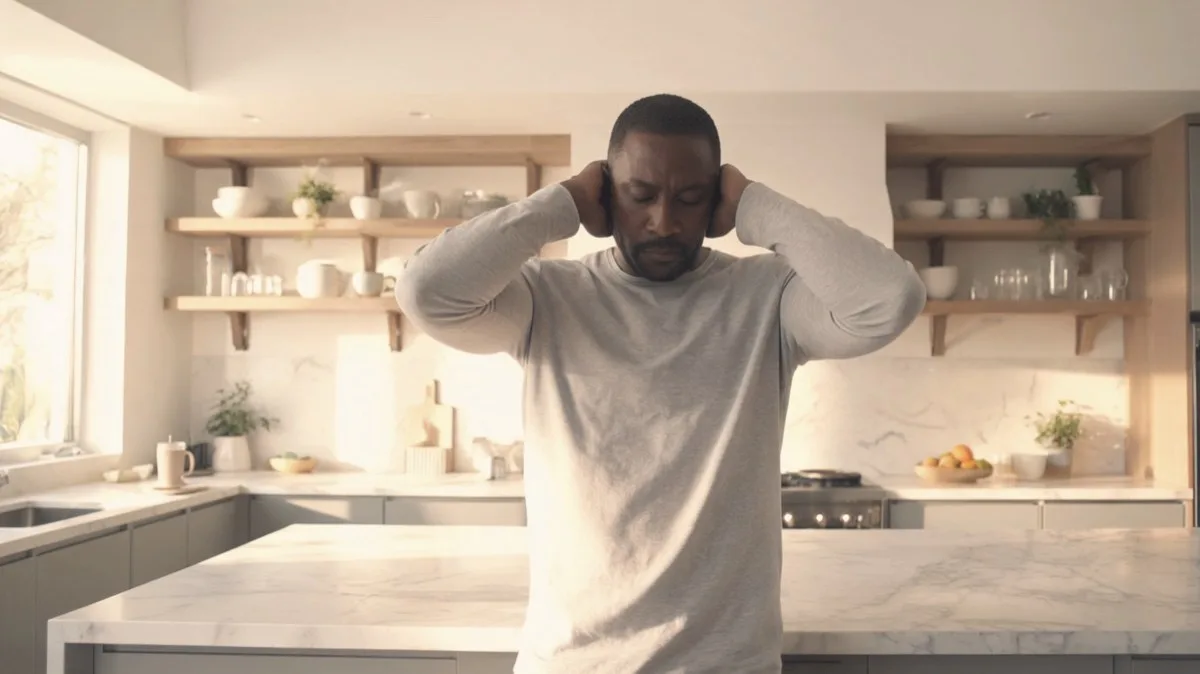

- A large share of recurring headaches start in the neck, and there are five practical signs that point that way.
- The strongest clues: one-sided pain that starts at the skull base, headaches provoked by neck movement or position, and pressing the upper neck reproducing your headache.
- Neck-driven headaches respond to neck-directed care, which is why the label changes what works.
- Sudden, severe or neurologically strange headaches are a different conversation: medical, and promptly.
Is my headache coming from my neck? It’s one of the most useful questions a headache sufferer can ask, because the answer changes everything about what will help. Neck-driven headaches (the cervicogenic pattern, occipital nerve irritation, and the huge tension-type overlap) respond to neck-directed care: posture, pillows, heat, targeted mobility. Head-first headaches like migraine largely do not. After more than 25 years of skull-base pain and every mislabel along the way, here are the five signs we and the clinical literature agree point to the neck, and what to do if they describe you.
One honest caveat on all five signs: they stack, they do not diagnose. Plenty of migraine sufferers have tender necks, and plenty of neck-driven patterns borrow a migraine feature or two. Read the signs as evidence tipping a scale, take the diary seriously, and let a clinician make the formal call where it matters.
Sign one: it starts at the bottom and moves up
Watch where the pain begins, not where it ends. Neck-driven headaches characteristically ignite at the skull base or upper neck and spread upward or forward from there, sometimes reaching the temple, the crown, even behind the eye. A headache that starts frontally or inside the head and only later involves the neck is telling a different story. The origin point is such a strong clue that we gave the territory its own guide: headache at the base of the skull.
Sign two: your neck gets a vote
Neck-driven headaches are provoked, worsened or eased by what the neck is doing. Turning the head to one end of its range, a long drive, an hour of looking down, sleeping wrong, a specific chair: if your headaches have mechanical triggers like these, the neck is implicated almost by definition. Equally telling is the reverse: relief from heat on the neck, from changing position, from a better night setup. Migraines have triggers too, but theirs are systemic (sleep loss, hormones, certain foods, light); neck-driven headaches have positional ones.
Sign three: pressing the upper neck reproduces it
This is the closest thing to a home test that exists. Gently explore the hollows just below the skull and the muscles either side of the top of the spine. Tenderness alone is common and only mildly informative. The meaningful finding is reproduction: pressure that brings on your actual headache, the familiar one, in its familiar distribution. Clinicians use exactly this principle when assessing the cervicogenic pattern. A sharper, electric response shooting up the scalp points instead toward the occipital nerves, our home territory, mapped fully in the symptom guide.
Sign four: it favors one side and stays loyal to it
Cervicogenic headache is classically one-sided and side-loyal: the same side, episode after episode, because the same joint or tissue is the generator. Occipital neuralgia frequently favors a side too. Tension-type headache, by contrast, usually wears the both-sides band. Side-switching between attacks leans away from a single neck generator and is worth mentioning to a clinician, as is strict one-sidedness with migraine features, since these patterns get confused in both directions; our comparison guide untangles the worst of it.
Sign five: your days explain your headaches
Zoom out and read the calendar. Headaches that cluster around desk marathons, long drives, stressful weeks and bad-pillow nights, and that fade on active vacations, are confessing their mechanism. This is the pattern sign, and it’s the one a two-week one-line diary makes undeniable: time of onset, the three hours before, which side, what helped. When the entries keep rhyming with load on the neck, you have your answer, and the fixes write themselves: the desk geometry, the pillow height, the prevention routine.
Why the answer changes the treatment
This question is worth the diary because the treatments barely overlap. Migraine care runs through triggers, sleep regularity and, for many, specific medication classes; a perfect pillow will not abort a migraine. Neck-driven headache runs the opposite way: the wins come from mechanics (posture, loft, movement, heat) and from therapies aimed at the neck itself, while generic painkillers underperform and overuse of them can quietly add a medication-overuse headache to the pile. We watched years go to the wrong playbook before understanding this, and it’s the single most common story we hear from readers: the headaches labeled generic tension for a decade that turned out to be side-loyal, movement-provoked, and fixable from the neck down. The five signs exist so you can have that realization in two weeks instead of ten years.
Two lookalikes deserve a mention while you are pattern-hunting. Jaw problems (TMJ dysfunction) refer pain to the temple and ear and often coexist with neck tension, clue: mornings after clenched nights, pain with chewing. And eye strain from an outdated prescription pulls the head forward and manufactures both neck load and brow-band headaches, clue: screen hours make it worse and an optician visit is overdue. Neither replaces the neck as a suspect, but both are cheap to rule in or out while you run the diary.
If the signs point neck-ward: the first month’s plan
- Fix the nights first. Position and pillow height are the highest-leverage change for neck-driven head pain, and the cheapest.
- Heat as the daily workhorse: twenty minutes on the skull base at the first sign of tightening, not after the headache lands.
- Interrupt the desk: screen to eye level, shoulders down, a break every half hour, no exceptions on bad weeks.
- Gentle daily mobility for the upper neck, in the warm window after heat.
- Keep the diary running. If four weeks of honest basics move nothing, take the diary to a clinician and ask directly about cervicogenic headache and occipital neuralgia; both have specific next steps that self-care cannot reach.
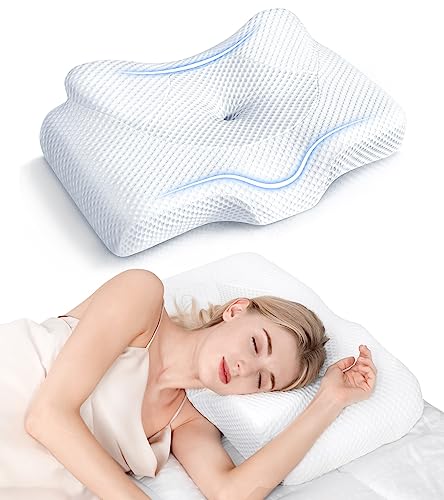 Start here
Osteo Cervical Pillow
If your nights are part of the pattern, a contour pillow that holds the neck neutral is the first thing we would change. The height adjusts to your build.
Check the Osteo pillow on AmazonAs an Amazon Associate we may earn from qualifying purchases, at no extra cost to you.
When to skip self-care and see someone now
The usual non-negotiables apply: a sudden worst-ever headache, fever with a stiff neck, headache after trauma, or headache with weakness, numbness, vision or speech changes means urgent care today. And any new persistent headache pattern in someone over fifty, or in anyone with a cancer history or immune compromise, deserves a proper look before a single pillow gets blamed. Neck-driven headache is common and manageable; it earns that label after the serious things are excluded, not instead of excluding them.
Frequently asked questions
Is my headache coming from my neck? How to actually tell
The five practical signs: pain starting at the skull base and spreading up, mechanical triggers involving neck movement or position, gentle upper-neck pressure reproducing your familiar headache, side-loyal one-sided pain, and a calendar pattern that tracks neck load. The more that apply, the stronger the case.
Can a tight neck really cause a headache behind the eye?
Yes. Referred pain from the upper cervical joints and suboccipital muscles can project forward as far as the temple and eye, which is precisely why cervicogenic headache gets mistaken for migraine so often.
What kind of doctor should I see for neck-related headaches?
Start with your primary care doctor, armed with your diary. Depending on the picture, the useful referrals are physical therapy (first line for the cervicogenic pattern), or a neurologist or pain specialist where occipital neuralgia or migraine needs formal workup.
Will fixing my posture cure the headaches?
For load-driven patterns, posture and sleep changes commonly reduce frequency and intensity dramatically, which is different from a cure and better than most pills on offer. Chronic patterns took years to build; give the unwinding a fair month, then escalate sensibly.
The health information in this guide is supported by the trusted medical sources below. It’s general information, not a diagnosis or medical advice. See our medical disclaimer.
Sources and further reading
Was this guide helpful?
Thank you. Your feedback helps us improve.