Pressure points for headaches are specific areas of the body where applying firm, sustained pressure can trigger the release of muscular tension and stimulate the nervous system to reduce pain. Acupressure, the practice of applying pressure to these points, has been used for centuries and has a reasonable base of clinical support for tension headache relief.
We use a simple pressure-point routine as a first response to tension headaches before reaching for painkillers, and it works often enough to be worth trying every time. The five points below are the ones that produce the most consistent results for us.
The 5 best pressure points for headaches
1. GB 20: The base of the skull
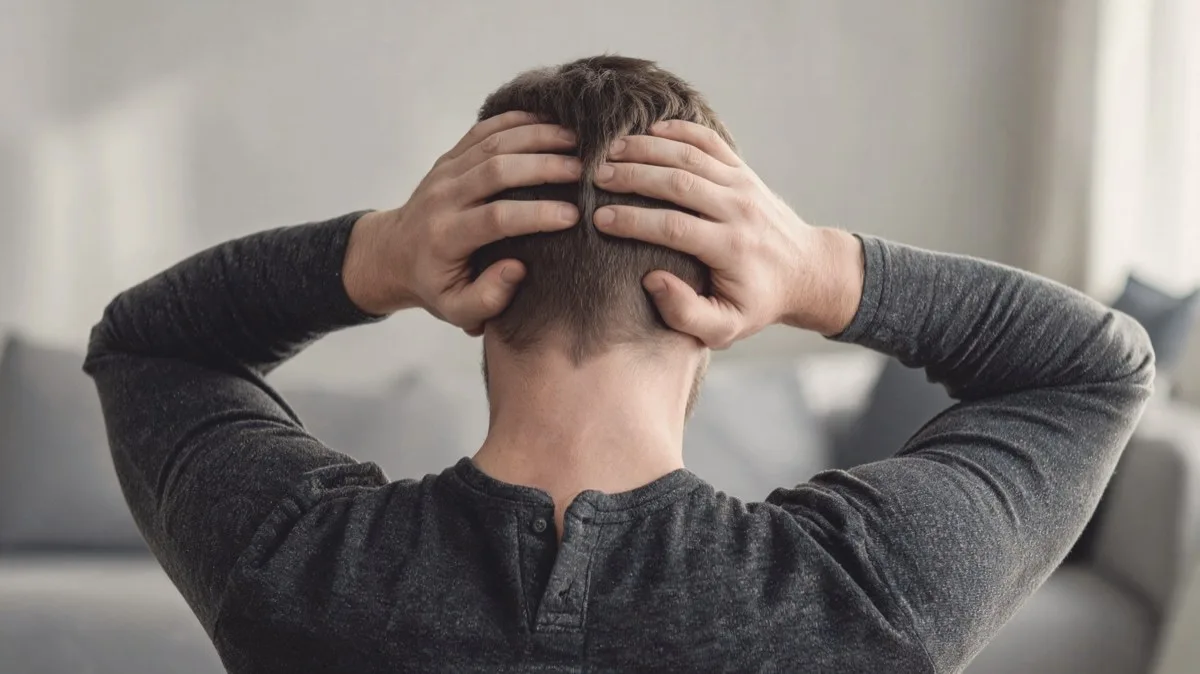
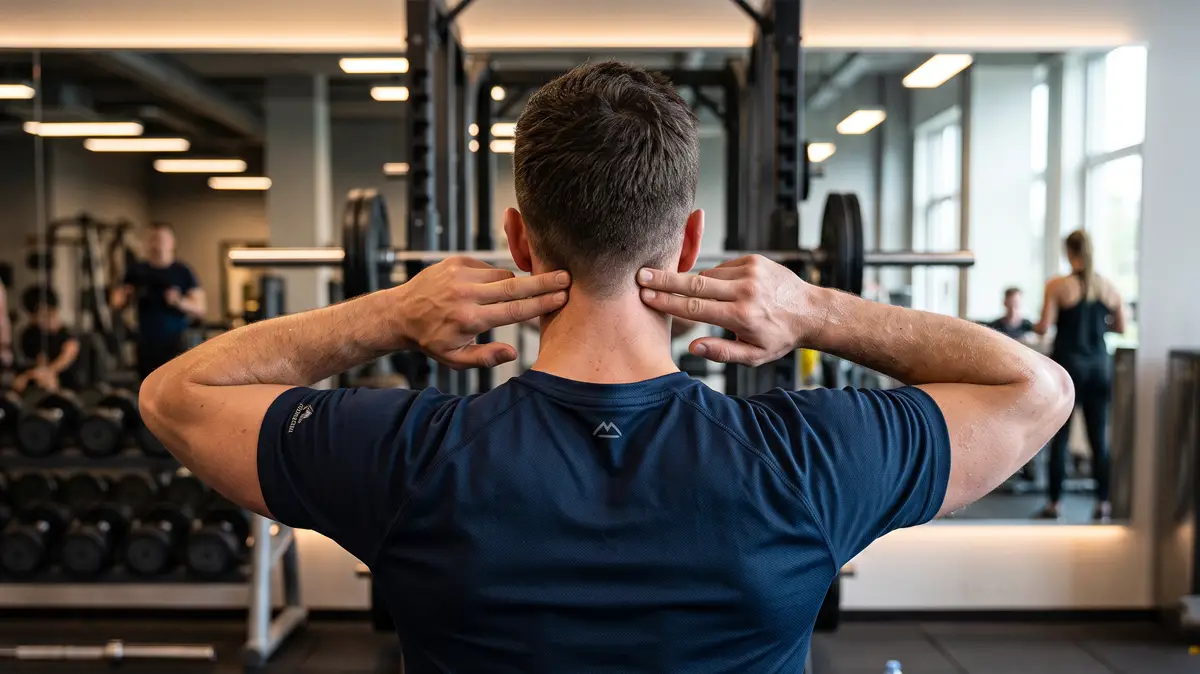
Find the two hollows at the base of the skull on either side of the spine, roughly level with the tops of your ears. Apply firm upward pressure with both thumbs simultaneously, hold for 30 to 60 seconds, and breathe deeply. This is consistently the most effective single point for tension headaches and occipital neuralgia.
2. LI 4: The hand web
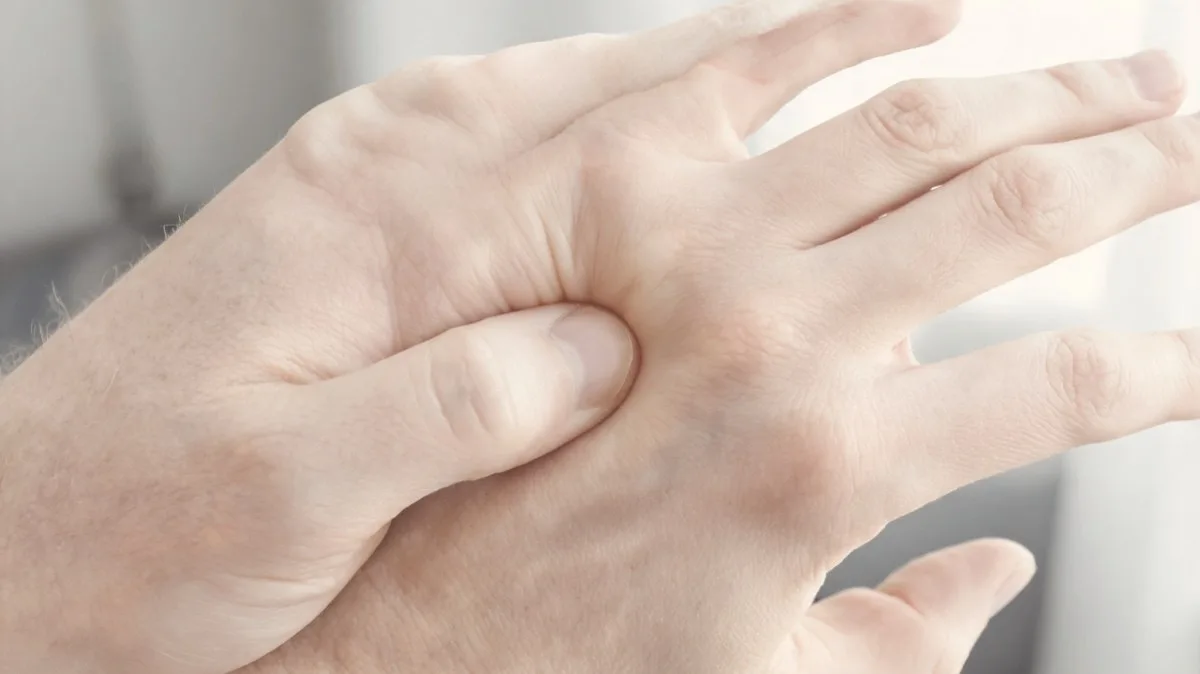
Find the fleshy web between the thumb and index finger. Apply firm pinching pressure to the highest point of the muscle there. Hold for 30 seconds, then switch hands. This is one of the most studied acupressure points for headache relief and also helps with general pain reduction.
3. The temples (Tai Yang)

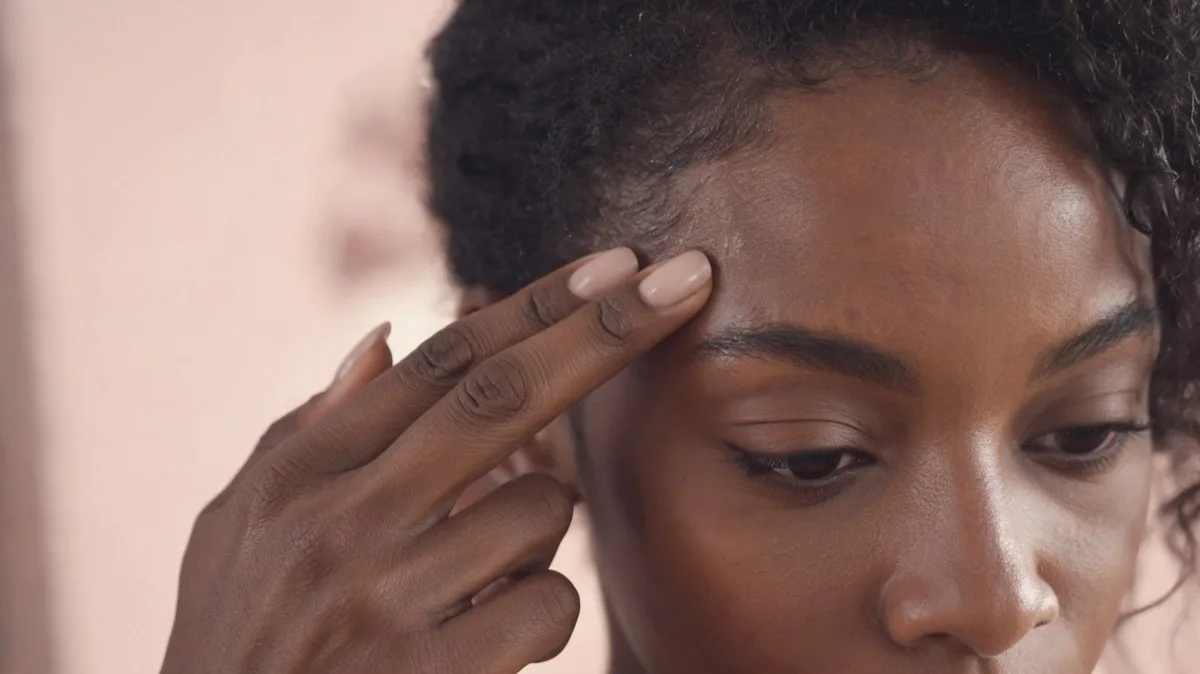
Place the index and middle fingers on the temples, just beyond the outer corners of the eyes. Apply gentle to medium circular pressure. This directly addresses one of the most common tension headache pain locations and is easy to do anywhere.
4. GB 21: The shoulder top

Pinch the muscle at the highest point of the shoulder, midway between the neck and the edge of the shoulder. This is the upper trapezius, one of the main drivers of tension headaches. Hold firm downward pressure for 30 to 60 seconds each side. This point is particularly effective if your headaches come with neck and shoulder tightness.
5. The third eye point (Yin Tang)
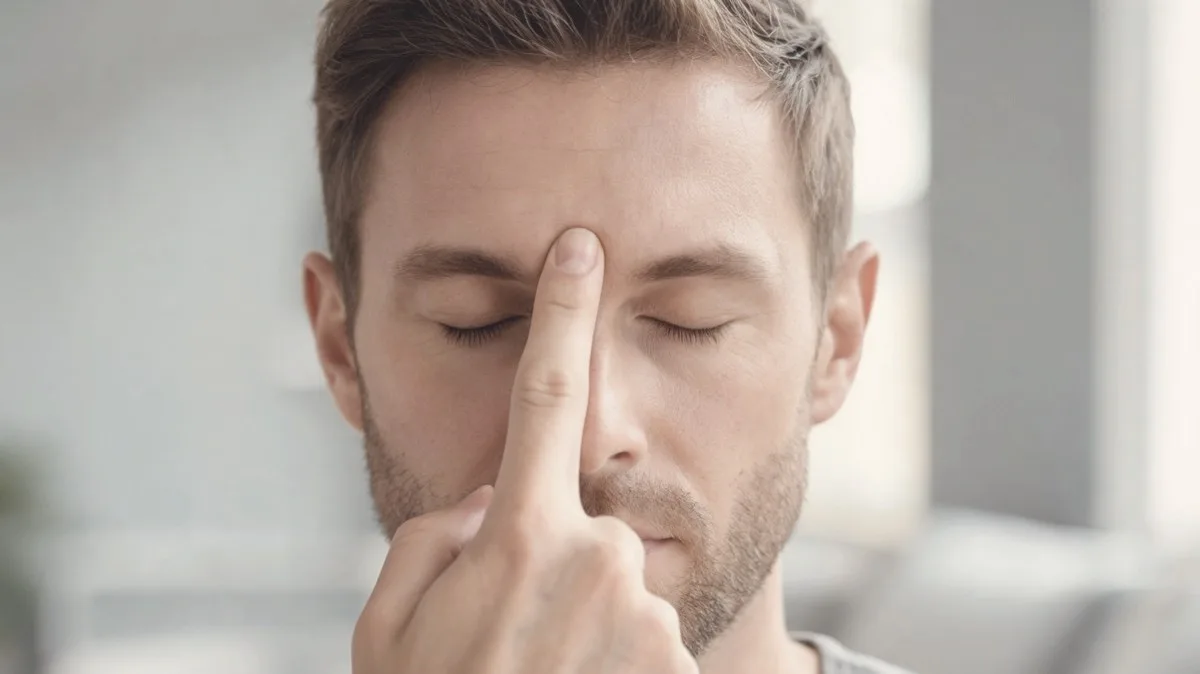
Apply gentle pressure with one fingertip to the point between the eyebrows, slightly above the bridge of the nose. Hold for 30 seconds while breathing slowly. This point is associated with frontal headache relief and has a calming effect on the nervous system.
How to get the most from acupressure
- Apply pressure gradually rather than pressing sharply
- Hold each point for 30 to 60 seconds while breathing slowly and deeply
- Work through the points in sequence for a full routine lasting about 5 minutes
- Drink a full glass of water before and after, as dehydration is a common headache trigger
- Use a neck massager on the base of skull and shoulders before acupressure for stronger results
When pressure points are not enough
Acupressure works best for tension headaches driven by muscular tightness. If your headaches are severe, frequent, or come with other symptoms such as visual disturbances, nausea, or neurological changes, see a doctor. Occipital neuralgia in particular requires a specific approach and can be misdiagnosed as a tension headache.
Frequently Asked Questions
Can pressure points actually stop a headache?
For tension headaches, yes, often partially or fully. The mechanism is well understood: applying sustained pressure to tight muscles triggers the release of tension and stimulates circulation. Results vary but the technique is safe, drug-free, and worth trying before medication.
How long do I need to hold a pressure point?
Most practitioners recommend 30 to 60 seconds of sustained, firm pressure at each point. Shorter applications tend to be less effective.
Are there any risks?
Acupressure is generally very safe. Avoid applying pressure to areas that are inflamed, broken, or injured. Pregnant women should avoid LI 4, as it’s traditionally associated with uterine stimulation.
Building a full pressure point routine
Working through all five points in sequence creates a cumulative effect that is more powerful than applying any single point in isolation. The full routine takes about 8 to 10 minutes and is most effective when performed at the first sign of a headache rather than waiting until it’s at full intensity.
- Begin with GB20 at the base of the skull (2 minutes)
- Move to LI4 on both hands (1 minute each)
- Apply temple pressure (1 to 2 minutes)
- Work the GB21 shoulder points (1 minute each side)
- Finish with the third eye point (1 minute)
End the routine with a large glass of water. Dehydration compounds the effect of all headache triggers, and acupressure stimulates circulation in ways that make hydration especially important immediately after.
The science behind acupressure for headaches
Acupressure works through two main mechanisms for tension headaches. First, sustained pressure to tight muscles triggers the myofascial release response: the muscle spindle fibers sense the sustained load and signal the muscle to relax. Second, stimulating specific nerve-rich points activates the nervous system pain-modulating pathways, releasing endorphins and reducing pain signal intensity.
Several small clinical trials have found acupressure comparable to simple analgesics for tension headache relief, with the advantage of no side effects and cumulative benefit with regular practice. It’s most effective for headaches with a muscular driver, which describes the majority of tension headaches.
Using a massager alongside pressure points
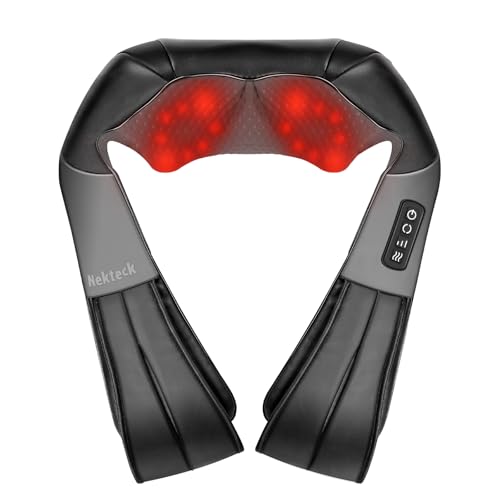
A shiatsu neck massager applied to GB20 and the upper trapezius before acupressure prepares the muscles by increasing blood flow and beginning the release process. We always use the massager first for 5 to 10 minutes and then work through the pressure points. The combined effect is considerably stronger than either alone, particularly for headaches with both cervical and vascular components.
 What we use
Nekteck Shiatsu Neck & Shoulder Massager with Heat
The massager referred to above. Useful when your hands tire before the muscle lets go, and the heat setting does work fingers cannot.
Check the Nekteck massager on AmazonAs an Amazon Associate we may earn from qualifying purchases, at no extra cost to you.
Pressure points specifically for occipital headaches
Occipital headaches, including those from occipital neuralgia, respond particularly well to sustained GB20 pressure combined with gentle suboccipital release. Place both thumbs in the hollows at the base of the skull, apply upward pressure at a 45-degree angle toward the center of the head, and hold for 60 to 90 seconds while breathing slowly. This is the most effective non-pharmaceutical intervention we have found for occipital headaches in our more than 25 years of experience with the condition.
What to do if pressure points do not help
If acupressure does not provide relief, it usually means either the headache has a different driver than muscular tension, or the technique needs refinement with firmer pressure, longer holds, and better point location. Tension headaches with a significant dehydration or hormonal component respond less predictably to acupressure.
Can you use pressure points to prevent headaches?
Yes. A brief daily routine of GB20 and LI4 pressure, combined with upper trapezius massage, reduces headache frequency for most people who practice it consistently. Prevention is more effective than acute treatment for chronic tension headache sufferers.
How often can you use acupressure?
As often as needed. Unlike medication, acupressure has no dosage limit. Daily preventive practice and additional acute sessions during headaches are both safe and beneficial.
Related guides
- Complete guide to tension headaches
- Massage techniques for tension headaches
- How to get rid of a headache without medication
- Best neck massager for tension headaches
This guide combines personal experience of living with headaches with guidance from the medical sources below. It’s general information, not a diagnosis or medical advice. See our medical disclaimer.
Sources and further reading
Was this guide helpful?
Thank you. Your feedback helps us improve.