
- Driving stacks four provocations at once: fixed head position, headrest contact on the nerves, vibration, and shoulder tension.
- The seat and headrest setup is half the battle; deliberate stops and micro-releases are the other half.
- Long trips are manageable with planning: a stop every 45 to 60 minutes changes the arithmetic completely.
- Flares that make checking mirrors genuinely difficult are a safety issue: treat the flare first, drive second.
Occipital neuralgia and driving have a relationship nobody warns you about at diagnosis. The car assembles, in one seat, almost everything this condition dislikes: a head held nearly still for an hour, a headrest pressing on the exact real estate where the occipital nerves surface, low-grade vibration feeding sensitive tissue, and shoulders that creep toward the ears in traffic. More than a decade of managing the condition around necessary driving has taught us that the difference between a livable journey and a flare on wheels is mostly decided before the engine starts, in the seat position, the headrest angle and the stop schedule nobody thinks to plan. Here is the full setup and the habits that go with it.
Occipital neuralgia and driving: why the car is such efficient trouble
Each ingredient is modest; the stack is not. The visual demand of driving fixes the head in a narrow range for the whole journey, which is sustained load on the suboccipitals with none of the micro-movements that keep them supplied. The headrest, designed for crash safety rather than nerve comfort, can rest directly against the skull base, and on sensitive days that contact alone is provocation. Road vibration is a constant low-level input into already-irritable tissue. And driving is quietly stressful: traffic, navigation and time pressure raise shoulder tension, the upstream feeder of skull-base clench. Sum it across a commute, and the car becomes many sufferers’ most reliable trigger after the desk, which is exactly what our triggers guide finds readers reporting.
The five-minute seat setup
- Bring the seat closer than feels habitual. A too-distant wheel pulls the shoulders forward and the head with them. Elbows should stay softly bent with shoulders resting down.
- Raise the seat height until your eyeline sits comfortably in the top half of the windshield; looking slightly down at the road tips the skull base into loaded extension over time.
- Set the backrest more upright than lounge-angle, so the head can balance over the spine instead of craning forward off a reclined torso.
- Tune the headrest deliberately: its cushion should meet the back of the head, not the hollow of the neck. If your car’s headrest juts into the skull base, tilt it, raise it, or add a thin flat pad so contact spreads across the head. Never remove it; it’s crash equipment first.
- Mirrors set from the good posture, not adjusted to tolerate a slumped one. Set them tall and they quietly police your position all journey.
Habits for the road
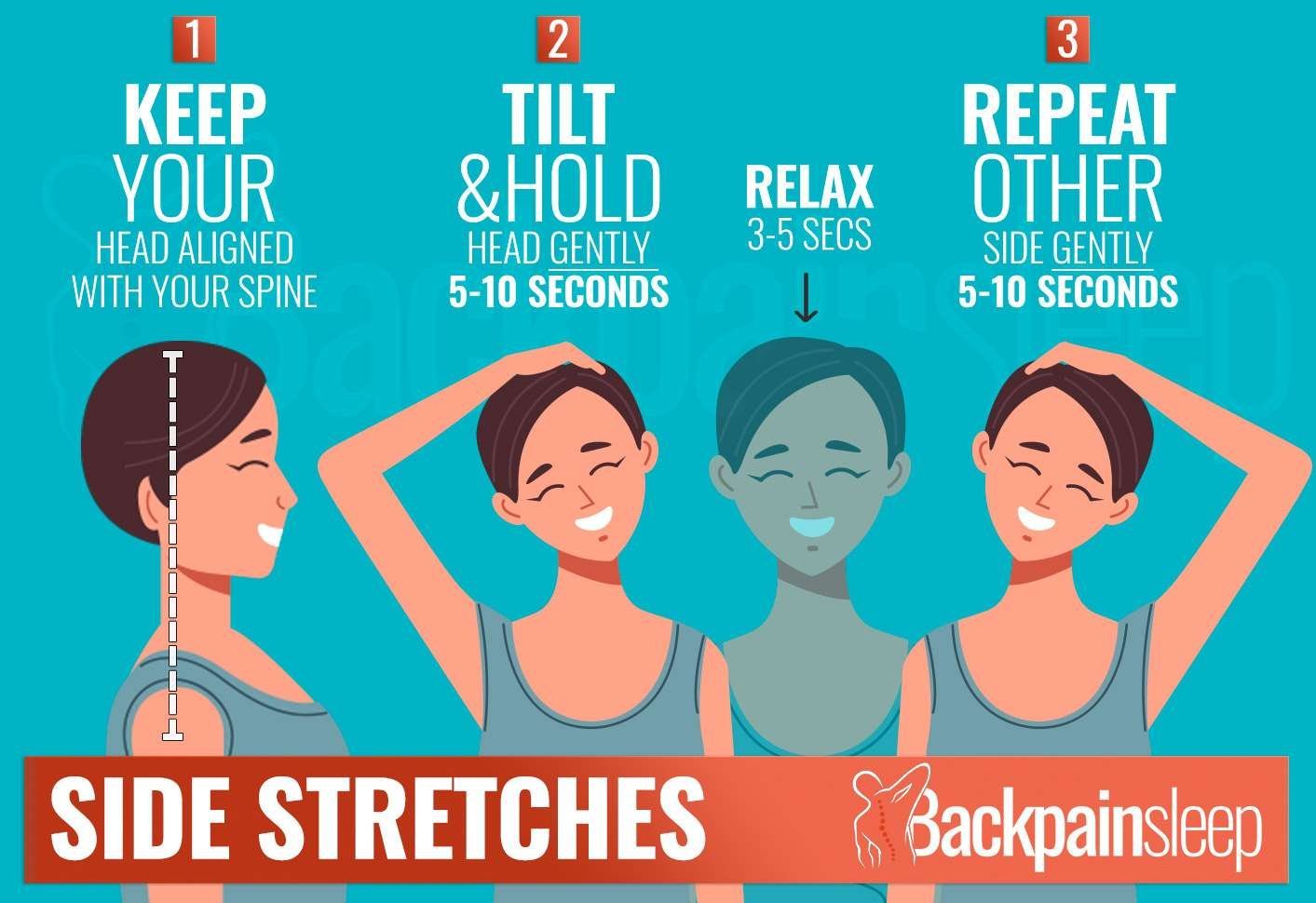
At red lights and in queues: shoulders down deliberately, one slow breath, and let the headrest actually take the head’s weight for a few seconds, micro-recovery, dozens of times a journey. Vary the grip: ten-and-two held rigidly for an hour feeds the trapezius tension the skull base inherits, so alternate hands on long straights (safely, both available) and drop the free shoulder. Use the eyes, not just the neck, for scanning, letting gaze do more of the small work while saving full head turns for what genuinely needs them, they exist for a reason and shoulder checks are non-negotiable, but the constant small craning between them is optional. And treat climate as real: cold air blasting the back of the neck stiffens the exact muscles you are trying to keep soft, so aim vents away from the neck and use the heated seat’s upper section, or a scarf in winter, as cheap prevention.
Long trips: the arithmetic of stopping
The single most protective decision on a long drive is the stop schedule, agreed before departure and kept like an appointment. Every 45 to 60 minutes: out of the car, two minutes of walking, slow shoulder rolls, a few gentle chin tucks and, on tighter days, thirty seconds of thumb pressure into the skull-base hollows against the car roof-line height. That two-minute ritual resets the load clock; six of them turn a punishing six-hour drive into six manageable hours. Pack the kit where a passenger can reach it: the microwavable wrap (service stations microwave them without blinking), a wrapped cold pack in a cool bag for the hypersensitive days, and water, because dehydration headaches stack on top of everything else. Share the driving where possible, and claim the passenger stretches for genuine recovery, seat reclined slightly, wrap on, rather than phone-neck, which un-earns the rest. The flare-up kit travels well; it was half-built for this scenario.
The passenger problem, and commutes
Two scenarios deserve their own paragraph. Being a passenger sounds like the easy seat, but passengers slump, phone-neck for an hour, and arrive with the same skull-base bill as the driver, sometimes worse. Run the same seat setup on the passenger side, hold the phone at eye height or leave it in the bag, and use the freedom you have (recline a little, wrap on, headrest actually used) to make the ride restorative rather than merely idle. Commutes, meanwhile, are where the small numbers compound: forty minutes twice a day is nearly seven hours of weekly exposure, which is a part-time job’s worth of provocation or protection depending entirely on the setup. The five-minute adjustment session pays its dividend every single working day, which makes it, per minute invested, possibly the best-value intervention in this entire condition. If your commute is public transport, the same principles translate: back supported, phone at eye height, and the standing option taken for part of the journey when the neck is tender, movement beats a bad seat.
Flares and driving safety, the honest section
There are days this condition and driving should not mix, and pretending otherwise helps nobody. A flare that makes head turns genuinely guarded compromises shoulder checks; jolt-type pain arriving unpredictably is a distraction at exactly the wrong moments; and any dizziness or visual weirdness accompanying a bad episode is disqualifying on its face. On those days the answer is the one you already know: treat first, drive later, or hand over the keys, and build the schedule slack that makes that choice available. For the merely-tender days in between, run the setup above, shorten the legs, and be honest at every stop about whether the next leg is wise. A journey delayed by an hour of heat and settling beats the version where you white-knuckle it and pay for a week.
Frequently asked questions
Why does driving trigger my occipital neuralgia?
The car stacks four provocations: a head held nearly still (sustained suboccipital load), headrest contact at the skull base, road vibration into sensitive tissue, and traffic-driven shoulder tension. The stack, not any single ingredient, is what makes journeys such reliable triggers.
How should I set my headrest with occipital neuralgia?
So its cushion meets the back of the head rather than pressing into the hollow at the skull base: usually higher and slightly tilted back, sometimes with a thin flat pad to spread contact. Keep it fitted and functional; it remains safety equipment first.
How often should I stop on a long drive?
Every 45 to 60 minutes, for two genuine minutes of walking, shoulder rolls and gentle neck mobility. Agreed in advance and kept like appointments, the stops change long-distance driving from flare factory to manageable load.
Is it safe to drive during a flare?
Not when guarded head turns compromise your checks, when unpredictable jolts are competing for attention, or when any dizziness or visual disturbance is present. Treat the flare first and drive later; the honest self-assessment is part of managing this condition like an adult.
The health information in this guide is supported by the trusted medical sources below. It’s general information, not a diagnosis or medical advice. See our medical disclaimer.
Sources and further reading
Was this guide helpful?
Thank you. Your feedback helps us improve.