
- Tight suboccipital muscles, the small deep muscles at the very base of your skull, are the single most common trigger.
- A forward head position from desk work, driving or looking at a phone loads your upper neck for hours at a time.
- Nights count. A pillow that's too flat, too high or too soft lets your neck drop out of alignment while you sleep.
- Stress and cold drafts on the back of your neck both tighten the muscles around the occipital nerves.
- Start with three changes: your pillow, your screen at eye level, and a few minutes of suboccipital massage every day.
The most common trigger of occipital neuralgia flare-ups is tight suboccipital muscles at the base of the skull pressing on the occipital nerves. Forward head posture, a poor sleeping position, stress and cold drafts on the neck are other common triggers.
With occipital neuralgia, prevention is significantly more effective than treatment. Knowing what triggers your flare-ups gives you the ability to reduce their frequency and severity – sometimes dramatically.
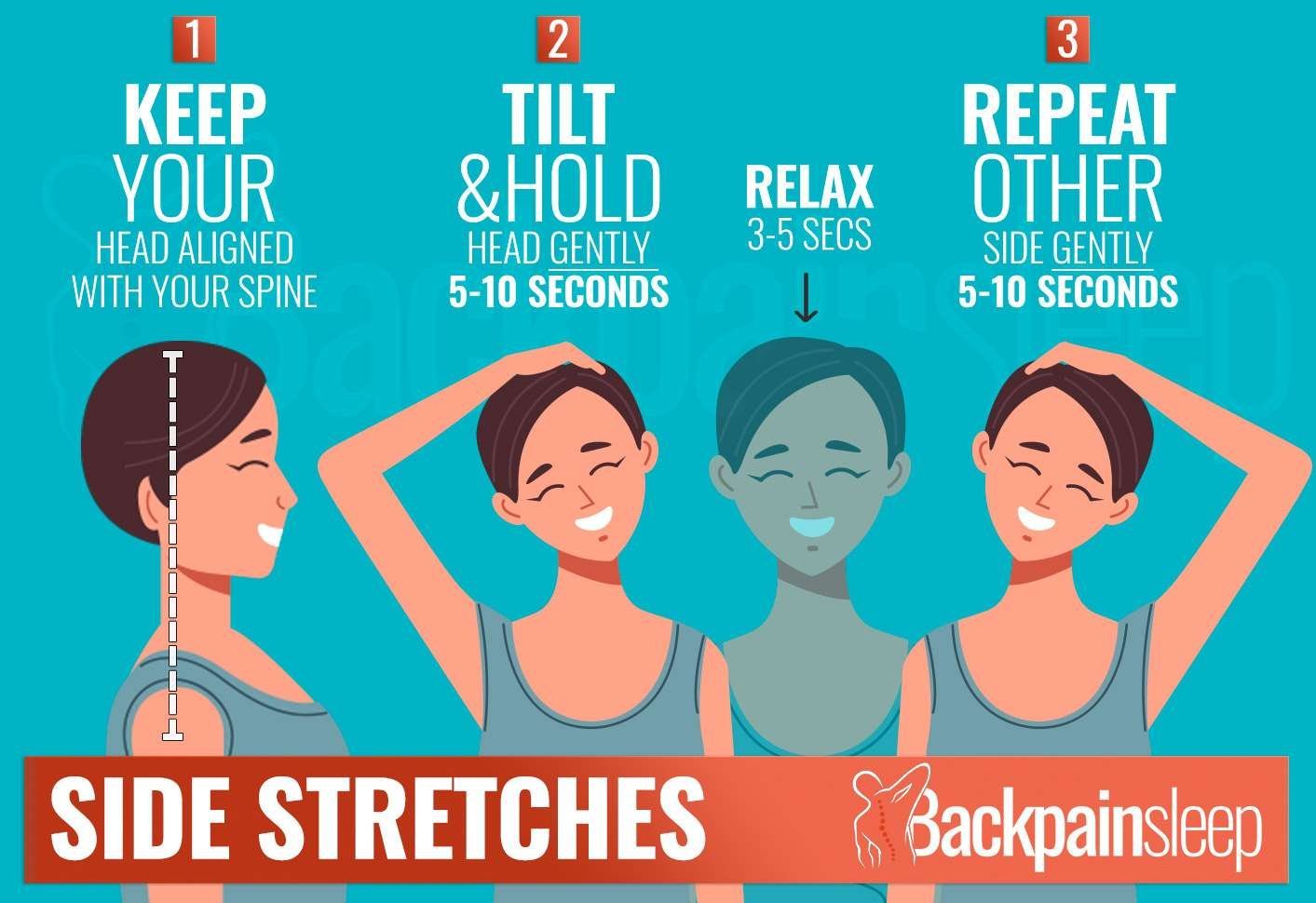
Many of these triggers come back to tight muscles at the base of the skull, which is why a few gentle stretches for occipital neuralgia can make such a difference.

The 10 Most Common Occipital Neuralgia Triggers
1. Tight Suboccipital Muscles
The suboccipital muscles are the small, deep muscles at the very base of your skull. When these become chronically tight, they put direct pressure on the occipital nerves that pass through them. This is the single most common trigger for occipital neuralgia flare-ups.
2. Poor Posture – Forward Head Position
When your head juts forward – caused by prolonged desk work, driving, or looking at a phone – the weight of your head effectively multiplies on your upper cervical spine. A head in neutral position weighs roughly 11 pounds. At 30 degrees forward, it creates the equivalent of around 40 pounds of force. Sustained over hours, this produces exactly the kind of nerve compression that triggers occipital neuralgia.
3. Poor Sleeping Position
Overnight is the time your neck is unsupported for the longest continuous period. A pillow that is too flat, too high, or too soft allows the cervical spine to drop out of alignment for 7-8 hours – creating compression and muscle tension that you wake up paying for.
4. Neck Injury and Whiplash
Trauma to the neck can damage tissues surrounding the occipital nerves or alter the alignment of the upper cervical vertebrae. Occipital neuralgia symptoms can begin immediately after injury or appear weeks later as inflammation develops.
5. Osteoarthritis in the Upper Cervical Spine
Age-related degeneration of the joints and discs in the upper cervical spine can cause bone spurs, joint inflammation, and narrowing of the spaces through which the occipital nerves pass. This is very common in people over 50.
6. Cervical Disc Disease
Degeneration or herniation of discs in the upper cervical spine compresses nerve roots that feed into the occipital nerves. This tends to produce more constant symptoms rather than intermittent flare-ups.
7. Stress and Anxiety
Under stress, most people unconsciously tighten the muscles of their neck and shoulders. When this becomes habitual, the sustained muscle tension compresses the occipital nerves. People with high-stress jobs often notice a direct correlation between stress levels and flare-up frequency.
8. Inflammation in the Neck
Inflammatory conditions including rheumatoid arthritis and gout can create swelling that directly or indirectly affects the occipital nerves. Diabetes-related neuropathy is another cause, as elevated blood sugar can damage nerve tissue over time.
9. Prolonged Screen Use (Text Neck)
Holding your phone below eye level or looking down at a screen for extended periods creates sustained forward-head posture. This has become increasingly common and is now one of the leading causes of upper cervical pain and occipital neuralgia in younger adults.
10. Cold and Drafts
Many people with occipital neuralgia notice that cold air blowing on the back of the neck can trigger flare-ups. This is likely due to cold-induced muscle contraction in the suboccipital region. Keeping the back of the neck warm during colder months is a simple preventive measure.
The Most Impactful Changes You Can Make
If you want to start somewhere, address these three first:
- Your pillow – the simplest single change with the most consistent reported benefit
- Your posture at a screen – set your screen to eye level and check your head position every hour
- Massage the suboccipital muscles daily – even 5 minutes before bed makes a measurable difference over time
 Start here
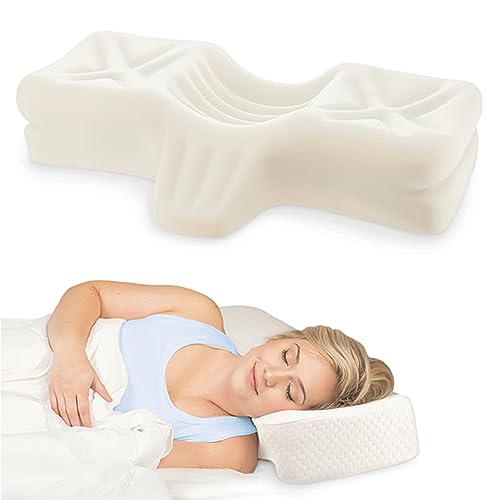
Therapeutica Ergonomic Cervical Pillow
If you change only one thing on that list, make it this one. Sizing matters, so see our full review first.
Check the Therapeutica pillow on AmazonAs an Amazon Associate we may earn from qualifying purchases, at no extra cost to you.
Frequently Asked Questions
Can food trigger occipital neuralgia?
Unlike migraines, occipital neuralgia is not typically triggered by food. However, an anti-inflammatory diet may help reduce background nerve sensitivity.
Can weather trigger occipital neuralgia?
Yes. Cold temperatures and barometric pressure changes are reported triggers by many sufferers, likely through effects on muscle tension and nerve sensitivity.
The information on this site is based on personal experience and research. It’s not medical advice. Always consult a qualified healthcare professional for diagnosis and treatment.
Related guides
- What is occipital neuralgia
- Symptoms of occipital neuralgia
- How to treat occipital neuralgia at home
- Best pillow for occipital neuralgia
When to seek medical help
See a doctor if neck pain follows an injury, comes with fever, severe headache, pins and needles, numbness or weakness in the arms, or does not improve after a few weeks.
This guide combines personal experience of living with occipital neuralgia with guidance from the medical sources below. It’s general information, not a diagnosis or medical advice. See our medical disclaimer.
Sources and further reading
Was this guide helpful?
Thank you. Your feedback helps us improve.