
Pain concentrated on the right side of the lower back is a very common complaint. Most of the time it’s muscular and resolves with simple self-care, but the location can also point to specific causes worth understanding, including a few that have nothing to do with the spine at all. Here is a clear guide to what might be going on, how to find relief, and the warning signs that mean you should see a doctor.
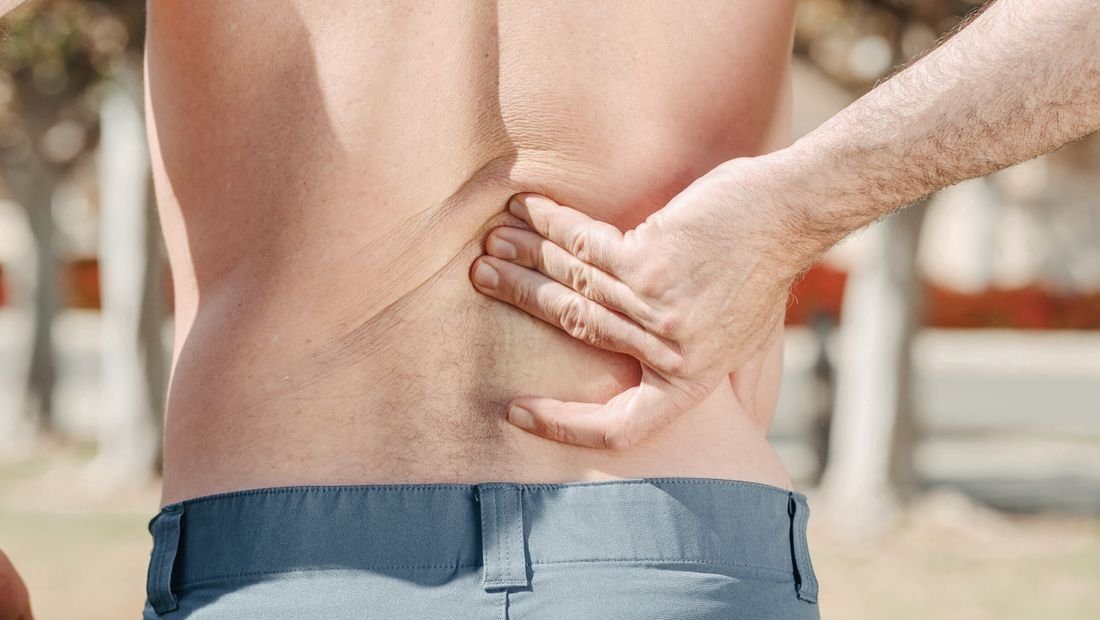
Common Causes of Right-Sided Lower Back Pain
Muscle strain
By far the most common cause. Lifting awkwardly, twisting, sleeping in a poor position, or simply overusing one side can strain the muscles on the right of the back. The pain is usually localized, tender to touch, and worse with movement, and it typically settles within a week or two.
Sciatica
If the pain radiates from the lower back down the right leg, sciatica affecting the right side may be the cause. See our complete guide to sciatica.
Sacroiliac joint dysfunction
The sacroiliac joint connects the spine to the pelvis. Dysfunction on the right side causes pain low down on that side, sometimes spreading into the buttock, and is often worse after sitting or standing for long periods.
Non-spinal causes
Occasionally, right-sided back pain originates from internal organs rather than the spine, for example a kidney stone or kidney infection, or in some cases the appendix. If your back pain comes with fever, urinary symptoms, abdominal pain or nausea, see a doctor promptly, as these need different treatment entirely.
How to Relieve Right-Sided Lower Back Pain
- Apply ice for the first 48 hours of an acute strain, then switch to heat.
- Keep gently mobile rather than resting completely, movement speeds recovery.
- Do gentle stretches once the acute pain eases, see our back and sciatica exercises.
- Improve your posture, especially when sitting and lifting.
- Use over-the-counter anti-inflammatories short term if needed.
When to See a Doctor
See a doctor if the pain is severe, persists beyond a couple of weeks, radiates down the leg with numbness or weakness, or comes with fever, urinary changes or abdominal symptoms. Seek urgent care for loss of bladder or bowel control, which is a medical emergency.
Frequently Asked Questions
Why is my lower back pain only on one side?
One-sided back pain is usually muscular, a strain or imbalance affecting one side. It can also reflect sciatica or sacroiliac joint issues on that side. Persistent one-sided pain is worth having assessed.
Should I worry about right-sided lower back pain?
Most cases are muscular and not serious. But if it comes with fever, urinary symptoms or abdominal pain, see a doctor, as it may point to a non-spinal cause such as a kidney problem.
How long does right-sided lower back pain last?
Muscular strains usually settle within one to two weeks with self-care. Pain lasting longer, or radiating down the leg, should be assessed.
Can a kidney problem feel like back pain?
Yes. Kidney stones or infections can cause one-sided back pain, usually higher up and often with fever, nausea or urinary symptoms. See a doctor if these accompany your pain.
The information on this site is based on personal experience and research. It’s not medical advice. Always consult a qualified healthcare professional for diagnosis and treatment.
This guide combines personal experience of living with sciatica and back pain with guidance from the medical sources below. It’s general information, not a diagnosis or medical advice. See our medical disclaimer.
Sources and further reading
Was this guide helpful?
Thank you. Your feedback helps us improve.