

Tension headaches after exercise are common and almost always benign, meaning they are painful but not a sign of anything serious. They occur because exercise increases blood pressure and blood flow to the head, which can trigger or intensify headaches in people who are already prone to them due to tight neck muscles, dehydration, or poor breathing patterns.
That said, any headache that comes on suddenly during or after exercise with severe intensity should be assessed by a doctor, as in rare cases exertional headaches can have underlying causes that need investigation.
Why tension headaches happen after exercise
- Neck and shoulder tension. Many people unconsciously tense their neck and shoulder muscles during exercise, particularly during weight training, cycling (head-forward posture), and running. This builds tension in the upper trapezius and suboccipital muscles that persists after the session and refers as a headache.
- Dehydration. Even mild dehydration reduces blood volume and can trigger headaches. Exercise increases fluid loss significantly, and most people do not drink enough before, during, or after a workout.
- Poor breathing technique. Breath-holding during resistance training (the Valsalva maneuver) sharply increases intracranial pressure and can trigger exertional headaches.
- Blood pressure changes. Exercise raises blood pressure, and in some people the rapid increase and subsequent drop after exercise is a headache trigger.
- Low blood sugar. Training on an empty stomach or exercising for an extended period without refueling can cause a drop in blood sugar that triggers headaches.
How to prevent tension headaches after exercise
Warm up and cool down properly
A gradual warm-up prevents the sharp spike in blood pressure that triggers exertional headaches. Equally important is a proper cool-down: stopping exercise abruptly after high-intensity effort causes a rapid drop in blood pressure that can also trigger headaches. Five to ten minutes of gradually decreasing intensity and gentle neck stretches makes a significant difference.
Stay hydrated
Drink water consistently throughout the day, not just during exercise. Aim to be well hydrated before you begin training. During sessions longer than 45 minutes, sip regularly rather than waiting until you feel thirsty.
Watch your neck position
If you cycle, run, or work with weights, be conscious of how you are holding your head and neck. A forward head posture sustained through a long ride or run is one of the most common causes of post-exercise tension headaches. Adjust your setup or technique as needed.
Breathe consistently
During resistance training, exhale on the exertion (the lifting phase) and inhale on the return. Consistent breathing prevents the pressure spikes that trigger exertional headaches and also improves performance.
How to relieve a post-exercise tension headache
- Drink a large glass of water immediately
- Apply a cold pack to the base of the skull for 10 to 15 minutes
- Use a neck massager on the upper trapezius and suboccipital muscles
- Perform gentle chin tucks and lateral neck tilts
- Rest in a dark, quiet room if the headache is moderate or severe
When to see a doctor
See a doctor if your exercise-related headaches are severe, come on suddenly (thunderclap onset), are getting worse over time, or are accompanied by visual disturbances, vomiting, weakness, or neurological symptoms. These features distinguish rare but serious exertional headaches from the common benign variety.
Frequently Asked Questions
Is it normal to get headaches after working out?
Common, yes. Normal, not ideal. Post-exercise tension headaches usually indicate a combination of muscular tension, dehydration, and breathing or posture issues that can be addressed. They are not something you have to accept as part of training.
Should I stop exercising if I keep getting headaches?
Not necessarily, but do reduce intensity temporarily and review your warm-up, hydration, breathing, and neck position. If headaches persist despite addressing those factors, see a doctor to rule out any underlying cause.
Exercise-specific guidance
Weight training
Weight training is one of the most common triggers for exertional headaches because of breath-holding, neck tension, and sustained elevation of blood pressure during heavy sets. The key adjustments are: exhale on every exertion without exception, keep the neck in neutral alignment, reduce loads temporarily if headaches persist, and ensure an adequate warm-up and cool-down.
Running
Running-related headaches are often dehydration headaches combined with neck tension from poor form. Head position matters more than most runners realize: a forward chin position sustained over miles creates significant suboccipital tension. Try running with a slight chin tuck and consciously relaxed shoulders. Hydrate well before long runs.
Cycling
Cycling produces the most demanding neck position of any common sport: the head is held in sustained extension to look forward from a bent-over body position. This compresses the suboccipital muscles and consistently triggers tension headaches. If you cycle regularly, neck mobility work before and after every ride is non-optional.
High-intensity interval training
The rapid blood pressure changes in HIIT are a common headache trigger. A thorough warm-up that gradually elevates heart rate, and a proper cool-down that brings it back down slowly, significantly reduces the frequency of HIIT-related headaches. Avoid going from rest to maximum effort without preparation.
The role of magnesium
Magnesium deficiency is strongly associated with both tension headaches and exercise-induced headaches. Magnesium is lost through sweat during exercise, and many people have suboptimal levels. Magnesium supplementation at 300 to 400mg daily has a reasonable evidence base for headache prevention. Discuss supplementation with a doctor before starting.
Recovery techniques after headache-triggering exercise
- Apply a cold pack to the base of the skull and upper neck for 15 minutes immediately after the session
- Use a neck massager on the upper trapezius and suboccipital area for 10 minutes
- Stretch the neck gently: chin tucks, lateral tilts, and gentle rotation
- Eat and hydrate: low blood sugar after exercise compounds headache pain
- Rest in a quiet, dim room if the headache is moderate to severe
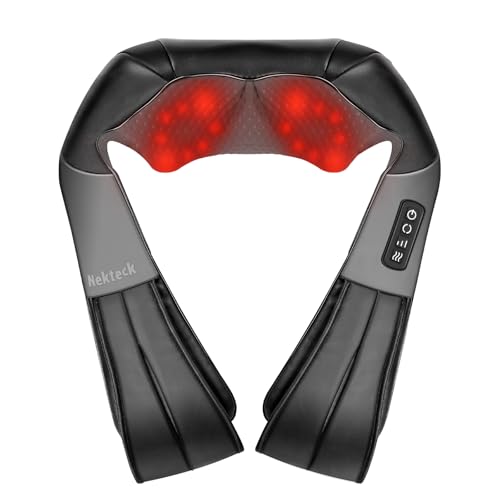 What we use
Nekteck Shiatsu Neck & Shoulder Massager with Heat
For the recovery routine above. Heat and rotating nodes on the neck and shoulders after training, before the headache has a chance to build.
Check the Nekteck massager on AmazonAs an Amazon Associate we may earn from qualifying purchases, at no extra cost to you.
When exercise-related headaches need investigation
See a doctor if: headaches come on during exercise rather than after it, if they have thunderclap onset (the worst headache of your life, immediately), if they are accompanied by neurological symptoms, or if they are progressively worsening over weeks. Primary exertional headache is a recognized diagnosis but requires a doctor to exclude secondary causes first.
Distinguishing exertional headaches from other types
Primary exertional headaches are diffuse (both sides of the head), pulsating in character, begin during or just after vigorous physical activity, and last between 5 minutes and 48 hours. They are overwhelmingly benign in people who have had them repeatedly under the same circumstances.
Secondary exertional headaches are caused by an underlying structural problem such as a brain aneurysm, arteriovenous malformation, or raised intracranial pressure. They are less common but the consequences of missing them are severe. The clinical red flags that distinguish them from primary exertional headaches are: first or worst headache of this type, sudden thunderclap onset reaching maximum intensity within seconds, associated neurological symptoms, and headaches that change in character over time.
Long-term management if exercise headaches are recurring
If you experience tension headaches after exercise more than once a month, a longer-term management approach is worthwhile. The combination of consistent hydration, a thorough warm-up and cool-down protocol, neck mobility work before and after exercise, and daily neck massage significantly reduces headache frequency over 4 to 8 weeks for most people. Some athletes also find that timing their most intense sessions for earlier in the day, when neck muscles are fresher and better rested, reduces incidence.
Related guides
- Complete guide to tension headaches
- Tension headache causes and triggers
- How to prevent tension headaches
This guide combines personal experience of living with tension headaches with guidance from the medical sources below. It’s general information, not a diagnosis or medical advice. See our medical disclaimer.
Sources and further reading
Was this guide helpful?
Thank you. Your feedback helps us improve.