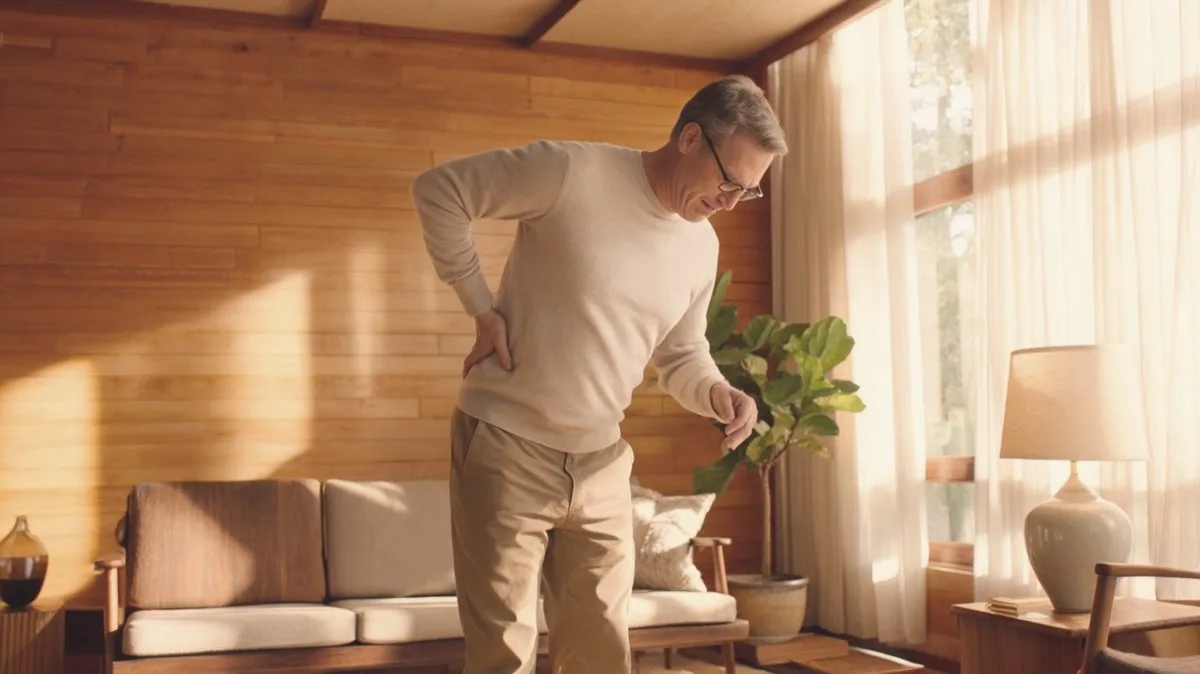
Lower back pain is one of the most common health complaints in the world, and one of the leading reasons people miss work. Our lower backs support the weight of the upper body through almost everything we do, and they take a lifetime of strain from lifting, twisting, sitting, and simply getting older. Here are the ten recommendations that have made the biggest practical difference to us, gathered from decades of living with back pain.
1. Move more, not less
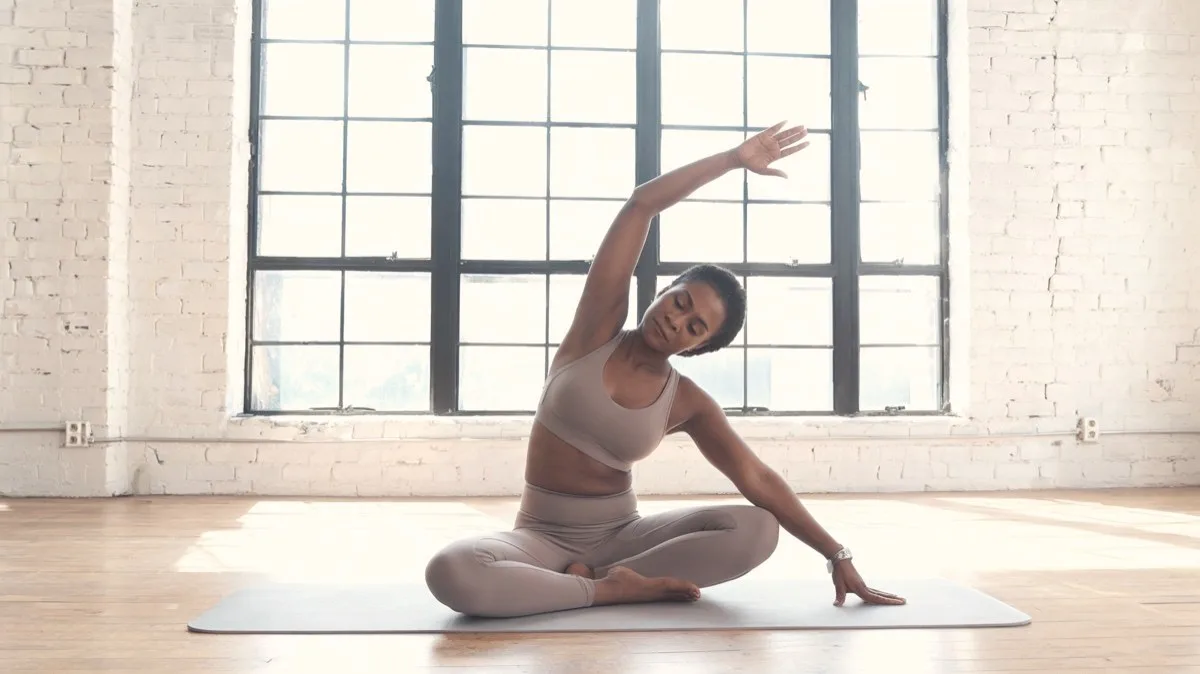
Complete rest is rarely the right response to lower back pain. Gentle movement keeps the muscles supporting the spine active, maintains circulation, and prevents the stiffness that comes from prolonged inactivity. Walking, gentle swimming, and yoga are all well-supported options. Aim for short, regular movement rather than extended periods of staying still.
2. Take your pain relief properly
Over-the-counter anti-inflammatories are genuinely effective for lower back pain but need to be taken correctly: with food, at the right dose, consistently for a few days rather than just when pain peaks. Many people under-dose and then conclude medication does not work. Always follow the packaging guidelines and seek medical advice for persistent pain.
3. Apply heat or cold strategically
Cold reduces inflammation and is most effective within the first 48 hours of an acute episode: apply a wrapped cold pack for 15 minutes. After the acute phase, heat relaxes the muscles and improves circulation: a heat pad applied to the lower back for 15 to 20 minutes is very effective. Alternating heat and cold can help with chronic pain.
4. Check your mattress and sleep position
Your mattress has an enormous influence on lower back pain. If it sags or pushes your spine out of alignment, no amount of daytime management will compensate. A medium-firm mattress is supported by most evidence for back pain. Side sleeping with a pillow between the knees and back sleeping with a pillow under the knees are both protective positions.
 What we use
ViscoSoft 3 Inch Select High Density Topper
For tip 4. If the mattress is structurally sound but the wrong firmness, a topper fixes that without replacing the whole bed.
Check the ViscoSoft topper on AmazonAs an Amazon Associate we may earn from qualifying purchases, at no extra cost to you.
5. Get your workstation right
If you work at a desk, your chair and screen position directly affect your back. Your hips should be at or slightly above knee height, your feet flat on the floor, your screen at eye level. An ergonomic chair with proper lumbar support changes the picture significantly for people who sit for long periods.
6. Strengthen your core
The muscles of the abdomen and lower back work together to support the spine. When they are weak, the spine takes more load than it should. Gentle core exercises, particularly ones that avoid spinal flexion in the acute phase, build the muscular support that reduces back pain long term. Bird-dog, glute bridges, and dead bugs are good starting points.
7. Manage your weight
Carrying excess weight, particularly around the abdomen, shifts the center of gravity forward and puts sustained extra load on the lumbar spine. Even modest reductions in weight can produce meaningful reductions in back pain. This is one of the slower interventions, but one of the most durable.
8. Watch how you lift
Most acute back pain episodes are triggered by lifting incorrectly. The safe principle is simple: bend at the knees and hips, not the waist, keep the load close to your body, and never twist while carrying something heavy. Even light objects can cause injury when lifted with a rounded back.
9. Stretch regularly, especially your hips
Tight hip flexors pull the pelvis forward and increase the curve in the lower spine, a common driver of lower back pain. A daily routine of hip flexor stretches, hamstring stretches, and gentle spinal mobility exercises takes only a few minutes and makes a disproportionate difference over time.
10. See a professional when needed
Most lower back pain resolves within six weeks with conservative management. If yours does not, or if you have pain radiating down the leg (sciatica), weakness, or any bowel or bladder changes, see a doctor promptly. A physical therapist can also assess the specific pattern of your back pain and tailor an exercise program to address it.
Frequently Asked Questions
What helps lower back pain immediately?
Heat applied to the lower back, gentle movement, and correctly dosed anti-inflammatory medication are the fastest-acting conservative options. If the pain is acute (within 48 hours of onset), cold may be more effective than heat.
Should I rest or keep moving with lower back pain?
Keep moving, gently. Complete rest for more than a day or two tends to make lower back pain worse by allowing muscles to stiffen and weaken. Short walks and gentle stretching are beneficial from very early in most episodes.
When should I see a doctor for lower back pain?
See a doctor if your pain has not improved after two to three weeks of conservative management, if you have pain radiating into the leg, weakness in the leg, numbness in the saddle area, or any changes to bladder or bowel function. These last symptoms require urgent attention.
Going deeper on the most impactful tips
On movement (tip 1)
The fear-avoidance pattern, where people move less because movement hurts, is one of the primary reasons acute back pain becomes chronic. Pain science research consistently shows that graded exposure to movement, starting gently and building gradually, is more effective than rest for most lower back pain. Walking is the single most accessible starting point: start with 5 minutes and build by 5 minutes every few days.
On mattress and sleep position (tip 4)
The mattress question is often avoided because replacing a mattress is expensive. But consider the calculation: if your mattress is compressing your spine for 7 to 8 hours every night, no amount of exercise or physical therapy during the other 16 hours can fully compensate. A medium-firm mattress is supported by the best available evidence for lower back pain. If yours is more than 8 years old and you consistently wake with more pain than you went to bed with, the mattress is likely a significant factor.
On core strengthening (tip 6)
Core work for back pain should be done correctly or not at all. Traditional sit-ups and crunches load the lumbar spine in a way that can worsen disc problems. The exercises with the strongest evidence base for back pain are the ones that stabilize the spine without loading it: bird-dog, dead bug, side plank, and glute bridge. Begin with the beginner versions and progress slowly. If any exercise causes or increases back pain, stop and consult a physical therapist.
The psychological dimension of lower back pain
Chronic lower back pain has a well-established psychological component that is often overlooked in self-management guides. Pain catastrophizing (believing the pain is more dangerous than it is), fear of movement, and low mood all amplify pain perception and slow recovery. This is not to say the pain is imaginary: it’s entirely real. But addressing anxiety about the pain, staying as active as possible, and maintaining social connections all support recovery in ways that purely physical interventions do not.
Lower back pain and your sleeping position
Alongside mattress quality, sleeping position significantly affects how your lower back feels in the morning. Back sleeping with a pillow under the knees reduces the lumbar curve and decompresses the discs. Side sleeping with a pillow between the knees keeps the pelvis aligned. Stomach sleeping puts the lumbar spine into extension and is consistently the worst position for lower back pain: try to train yourself out of it over time.
Nutrition and lower back pain
Chronic low-grade inflammation contributes to lower back pain, particularly in people with disc or facet joint problems. An anti-inflammatory dietary pattern (emphasizing vegetables, oily fish, olive oil, nuts, and whole grains, while reducing ultra-processed foods and excess sugar) can modestly but meaningfully reduce pain levels over time. Adequate vitamin D and magnesium are also associated with reduced musculoskeletal pain.
Is lower back pain ever a sign of something serious?
The vast majority of lower back pain has a mechanical cause and is not dangerous. Seek prompt medical attention if back pain follows significant trauma, comes with unexplained weight loss or fever, causes weakness or numbness in the legs, or produces any change in bladder or bowel function. These are red flag symptoms that need investigation.
Related guides
- Complete guide to sciatica and sleep
- Why back pain feels worse at night
- How to sleep with lower back pain and sciatica
- Best mattress for back pain
- More sciatica and back pain guides
This guide combines personal experience of living with sciatica and back pain with guidance from the medical sources below. It’s general information, not a diagnosis or medical advice. See our medical disclaimer.
Sources and further reading
Was this guide helpful?
Thank you. Your feedback helps us improve.