

Occipital neuralgia massage is one of the few home treatments that produces rapid, consistent relief for most people. It works because it tackles the root of the problem: the tight suboccipital muscles at the base of the skull that compress and irritate the occipital nerves. Release those muscles and the pressure on the nerve drops, often within minutes. Done regularly, massage reduces both the intensity of ongoing pain and how often flare-ups strike. This guide explains the technique in detail and how to choose a massager that does the work for you.
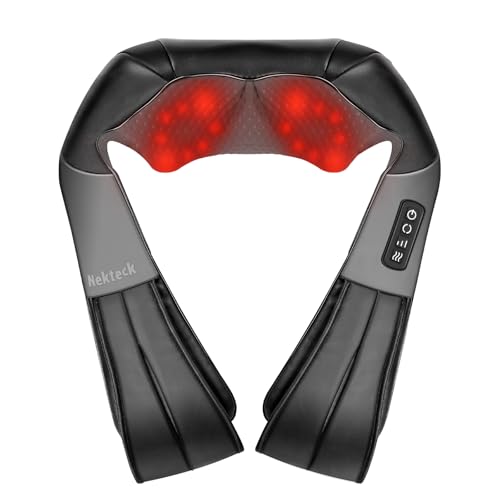
Nekteck Shiatsu Neck & Shoulder Massager with Heat
Our go-to tool for releasing the suboccipital muscles that compress the occipital nerves. Use it before stretching and again before bed.
Check the Nekteck massager on AmazonAs an Amazon Associate we may earn from qualifying purchases, at no extra cost to you.
✔ Pros
- Targets the base of the skull
- Heat boosts muscle release
- Easy daily self-treatment
✖ Cons
- Start gently near the skull
- Not a replacement for a good pillow
Massage, heat and cold for occipital neuralgia
| Method | Best for | How to use it |
|---|---|---|
| Massage | Releasing tight muscles at the skull base | A few minutes of gentle pressure |
| Heat | Relaxing muscles before bed | A warm pack for 10 to 15 minutes |
| Cold | Calming an active flare | A wrapped cold pack for about 10 minutes |
Why Occipital Neuralgia Massage Helps
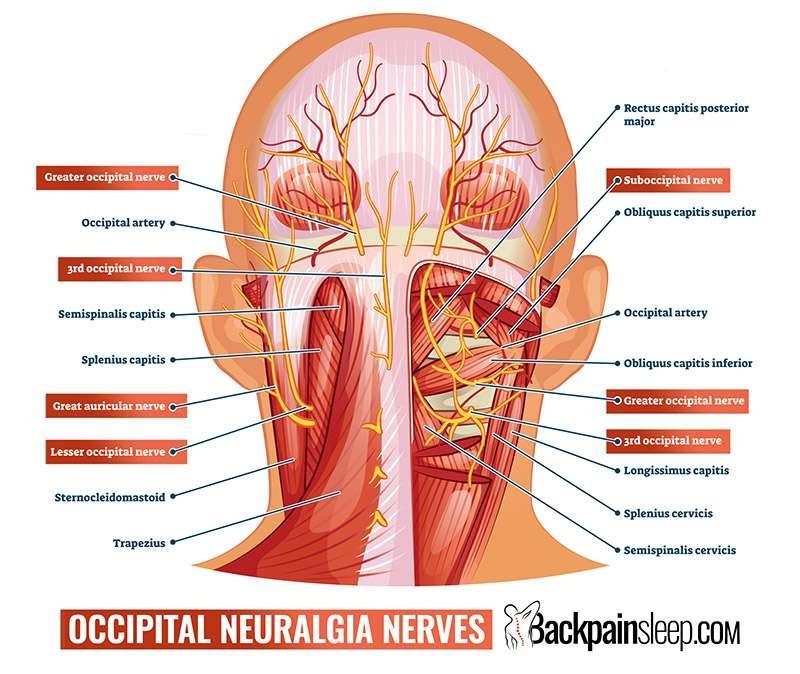
The greater occipital nerve passes directly through the semispinalis capitis, one of the suboccipital muscles at the base of the skull. When that muscle is chronically tight, from posture, stress or overuse, it squeezes the nerve, producing the burning, shooting or aching pain of occipital neuralgia. Massage relaxes the muscle, and as the tension releases the pressure on the nerve eases. It also boosts blood flow to the area, which supports nerve health and helps clear the inflammation around it. For the full picture of the condition, see our complete guide to occipital neuralgia.
How to Massage for Occipital Neuralgia
Find the right spot
The key area is the suboccipital region, the soft band just below the bony ridge at the back of your skull, where the neck meets the head. Feel for that ridge, then move your fingertips two to three centimeters below it. This is where the suboccipital muscles sit and where the nerves are most often compressed.
The technique
- Apply gentle but firm circular pressure with your thumbs or fingertips to the suboccipital region.
- Work slowly, spending 30 to 60 seconds on any particularly tender spots, you are coaxing the muscle to release, not forcing it.
- Never jab or dig aggressively, and keep pressure off the bony ridge itself; work on the muscle just below it, not directly on the nerve.
- Extend the massage up into the base of the skull and down through the neck and the tops of the shoulders.
- Total session: 5 to 15 minutes.
When to do it
Daily massage gives the best results. The most valuable times are before your neck exercises (it warms the muscles so they stretch better), before bed (it reduces the overnight tension that causes morning flare-ups), and at the first sign of a mild flare, when it can sometimes stop the episode escalating.
Choosing a Massager
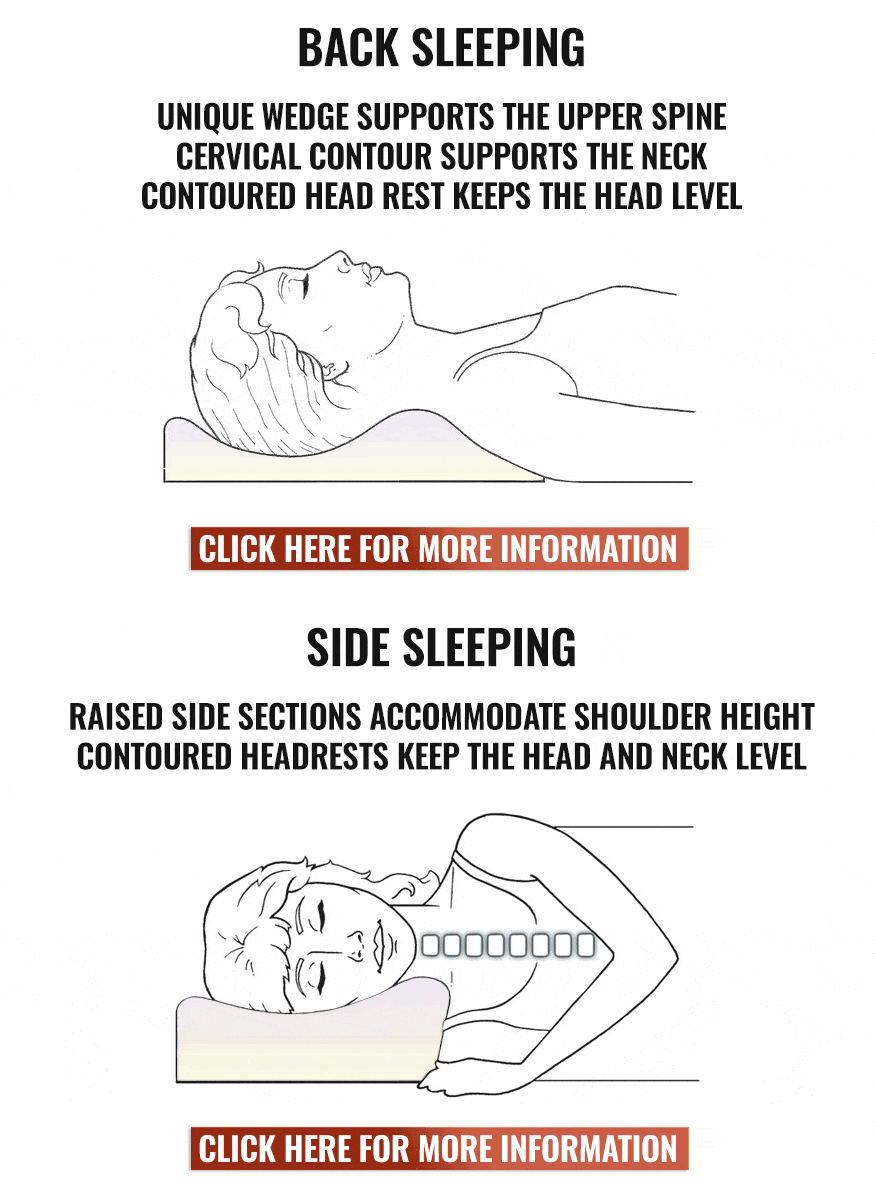
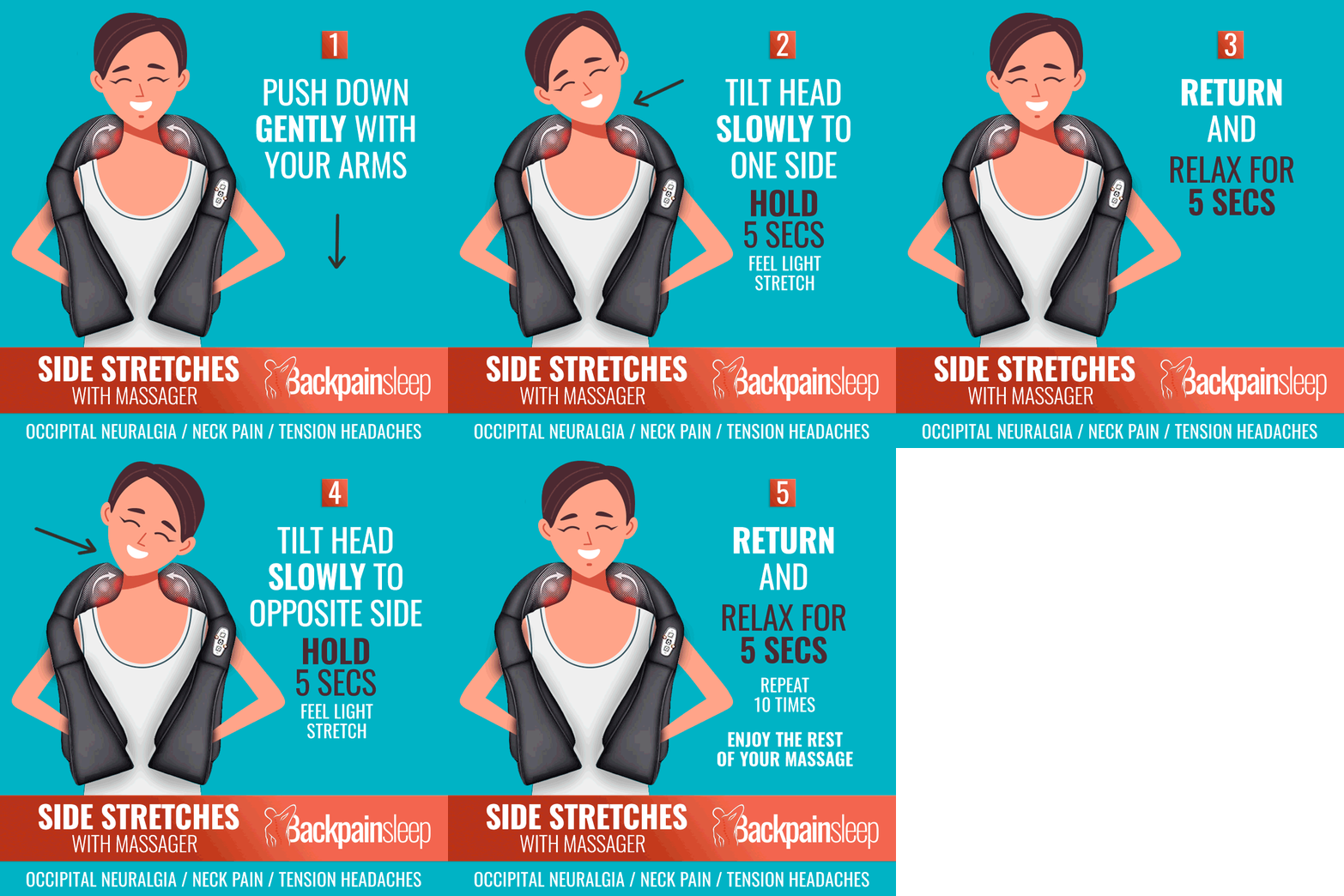
Self-massage with your hands works, but it’s tiring and hard to sustain, which is why a good electric massager makes consistency so much easier. We have used a heated shiatsu neck-and-shoulder massager as our main tool for years. The features that matter are rotating shiatsu nodes (far more effective than vibration), a heat function (warmth is what lets the nodes reach deep tissue), adjustable intensity (so you can start gently near the sensitive skull), and a U-shaped wrap design that lets you control the pressure precisely. Combine the massager with the right pillow, massage to release the tension before bed, then the pillow to hold the release overnight.
Heat and Cold Alongside Massage
Apply a warm compress to the back of the neck for 5 to 10 minutes before massage to relax the muscles and make the session more effective. After an acute flare, ice for 10 to 15 minutes to calm the inflammation first, then switch to heat and gentle massage once the sharpest pain has passed.
What Not to Do
- Do not apply heavy, direct pressure to the bony ridge at the base of the skull, work on the muscle just below it.
- Do not massage aggressively during a severe flare; wait for the acute pain to ease.
- Do not rely on vibration-only gadgets, they feel pleasant but rarely release deep muscle tension.
Frequently Asked Questions
How quickly does massage help occipital neuralgia?
Many people feel relief within a single session as the muscle releases. For a lasting reduction in flare-up frequency, two to four weeks of daily massage is usually needed.
Can massage make occipital neuralgia worse?
Only if it’s done too aggressively during a severe flare, or with heavy pressure directly on the nerve. Moderate, consistent pressure on the suboccipital muscles is safe and effective.
Is a shiatsu massager safe for occipital neuralgia?
Yes, used sensibly. Start on a low setting, keep the nodes on the muscles just below the base of the skull rather than on the bony ridge, and limit sessions to 10 to 15 minutes.
How often should I massage for occipital neuralgia?
Daily is ideal, especially before bed. Consistency matters more than long sessions, a regular ten minutes beats an occasional half-hour.
The information on this site is based on personal experience and research. It’s not medical advice. Always consult a qualified healthcare professional for diagnosis and treatment.
Ready to try the Nekteck Shiatsu Massager?
Check the latest price and availability on Amazon.
Check the Nekteck massager on Amazon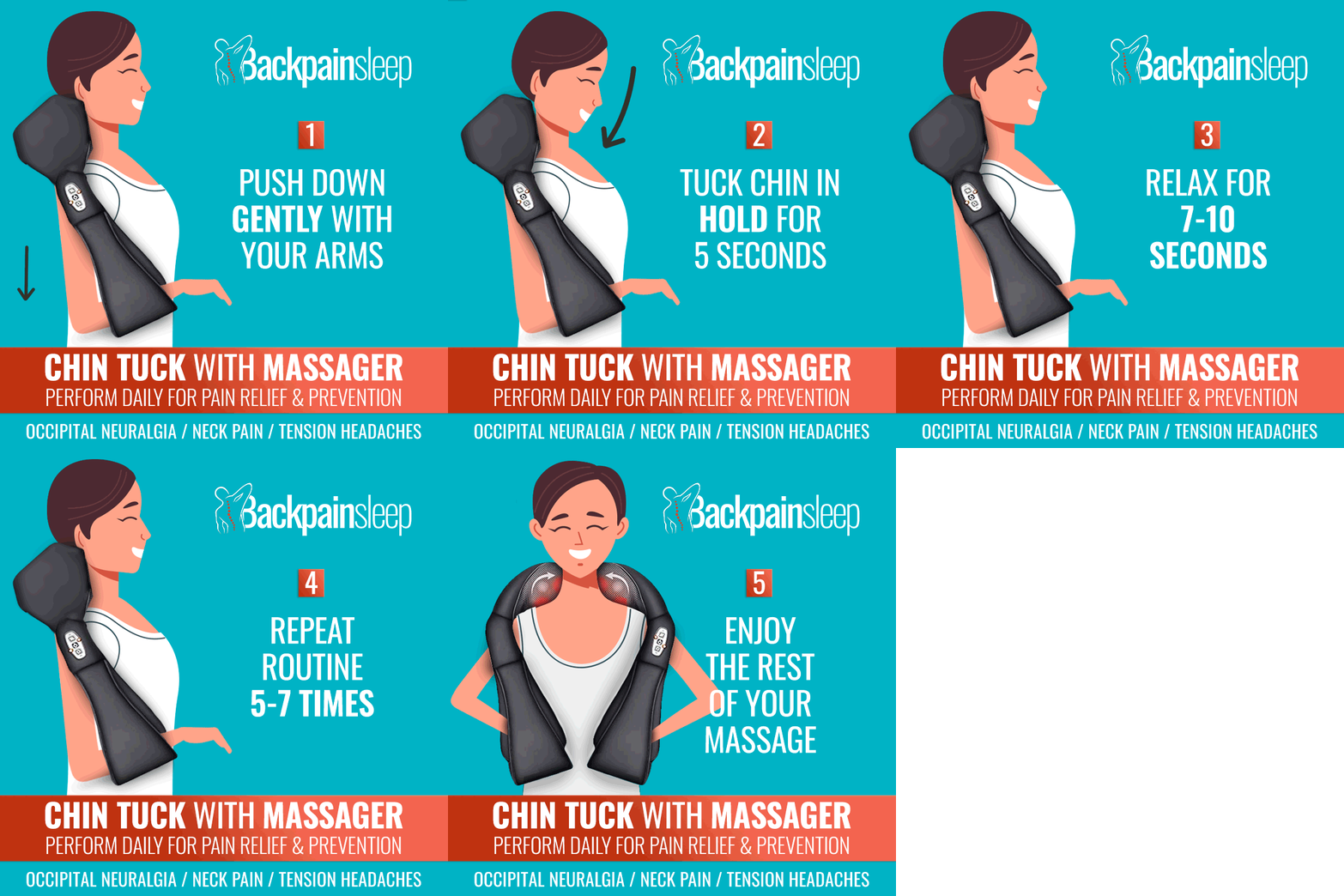
When to seek medical help
See a doctor if neck pain follows an injury, comes with fever, severe headache, pins and needles, numbness or weakness in the arms, or does not improve after a few weeks.
This guide combines personal experience of living with occipital neuralgia with guidance from the medical sources below. It’s general information, not a diagnosis or medical advice. See our medical disclaimer.
Sources and further reading
Was this guide helpful?
Thank you. Your feedback helps us improve.