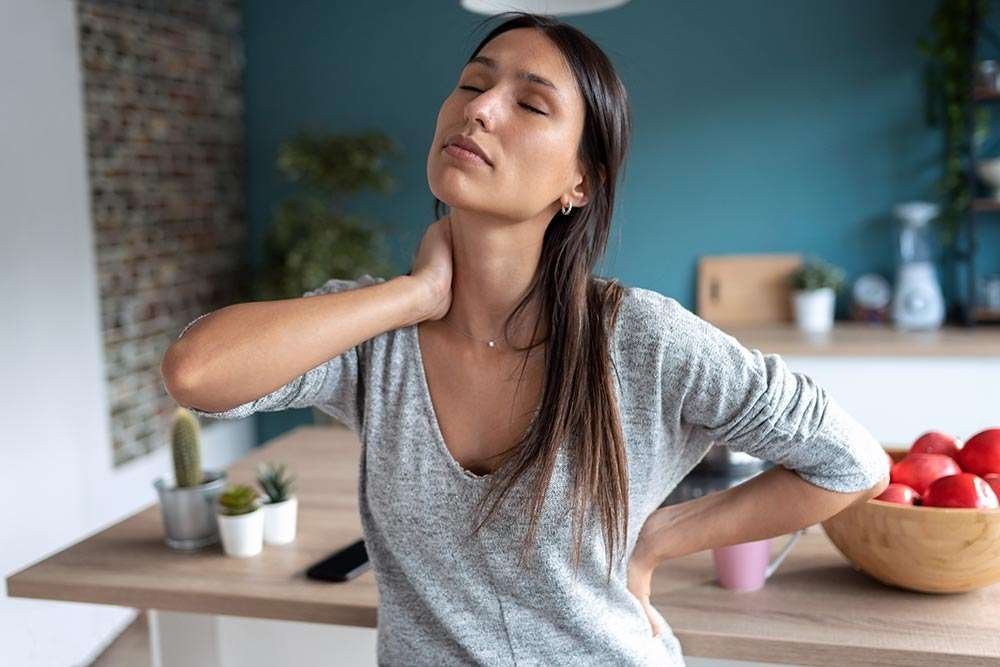
- Cervicalgia simply means neck pain, from stiffness to sharp, movement-limiting pain.
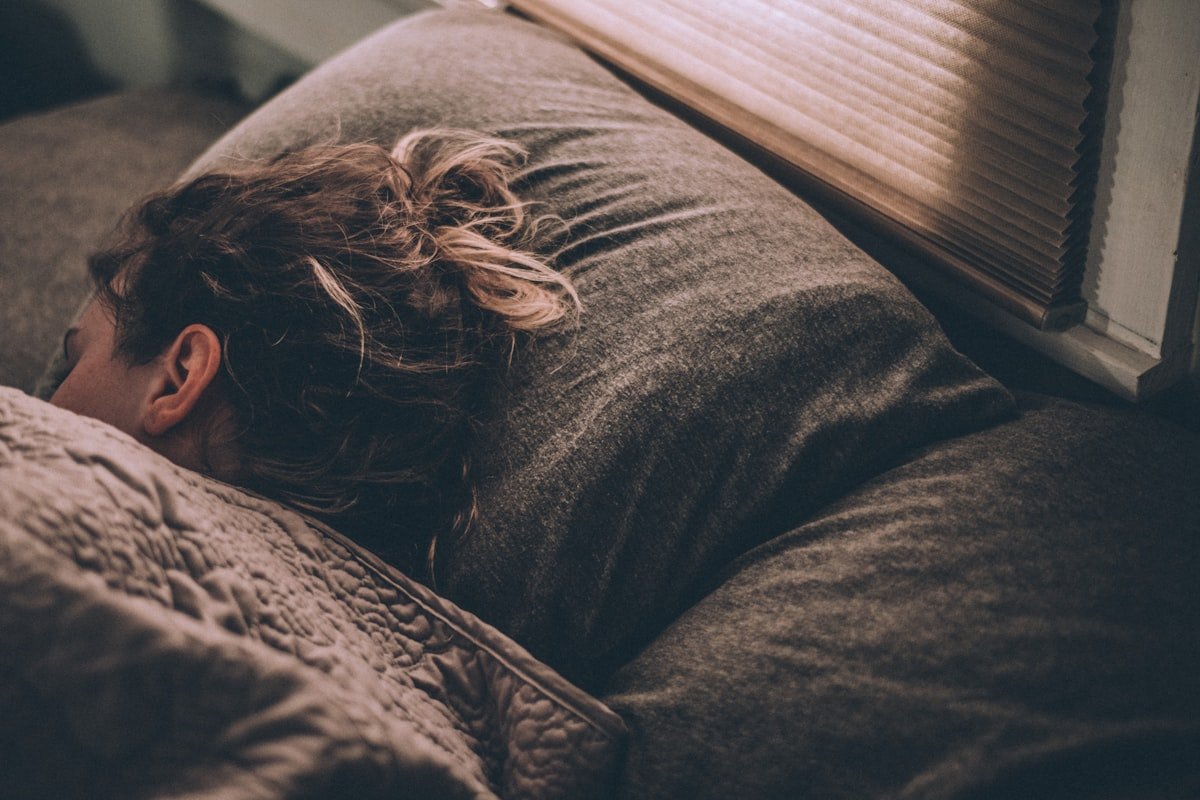
- The usual causes are muscle strain, poor posture, text neck and sleeping position.
- Most neck pain eases with posture changes, targeted stretches and the right pillow.
- Seek care if pain spreads into the arms or comes with numbness or weakness.
If you have been told you have cervicalgia, or you have searched your neck pain symptoms and landed on this term, here is everything you need to know – written in plain English.
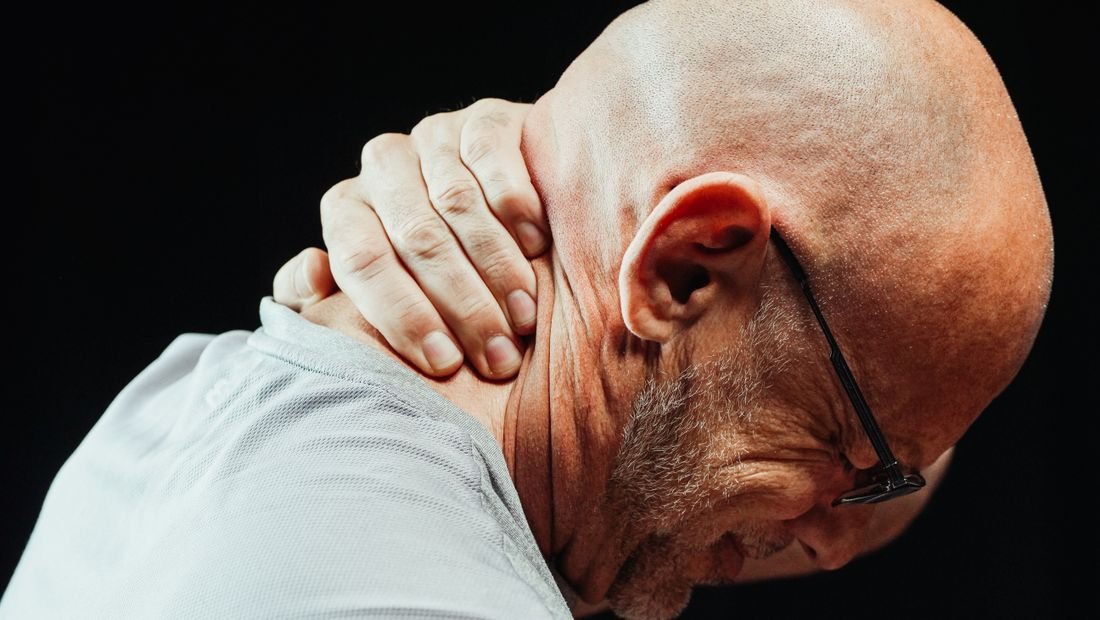
What Is Cervicalgia?
Cervicalgia is the medical term for pain that originates in the cervical spine – the seven vertebrae that make up your neck, running from the base of your skull down to the top of your shoulders. It is not a diagnosis in itself but a description of where the pain is.
Cervicalgia is extremely common. Most adults will experience significant neck pain at some point in their lives. In most cases it resolves within a few weeks, but for some people it becomes a long-term condition.
Where Exactly Is Cervicalgia Located?
Your cervical spine is divided into seven vertebrae, labeled C1 through C7. Understanding which section is affected can help explain your specific symptoms:
- C1-C2 (top of the neck, base of skull): Pain here often causes headaches at the back of the head and is linked to occipital neuralgia.
- C3-C5 (mid-neck): Pain and stiffness in the middle of the neck, sometimes with shoulder discomfort.
- C5-C7 (lower neck, near collarbone): Pain that radiates into the shoulders, arms, or hands, often with numbness or tingling.
What Causes Cervicalgia?
Poor Posture
The leading cause for most working-age adults. Sitting at a desk, looking down at a phone, or sleeping in an awkward position puts sustained strain on the muscles and ligaments supporting your cervical spine.
Muscle Strain and Tension
Overusing the neck muscles through sudden movement, heavy lifting, or prolonged stress causes microscopic tears in the muscle fibers. The resulting inflammation creates the familiar tight, aching sensation.
Whiplash and Trauma
A sudden jerking motion – most commonly from a car accident – forces the neck beyond its normal range of motion. Whiplash can cause cervicalgia that persists for months after the original injury.
Disc Problems
When a disc bulges or degenerates with age, it can press on nearby nerves, causing pain, numbness, and weakness that radiates down the arm.
Arthritis
Osteoarthritis causes the cartilage between cervical joints to break down, creating pain and stiffness – particularly in the morning.
Stress
Chronic stress causes many people to unconsciously tense the muscles around their neck and shoulders. This sustained contraction restricts blood flow and creates a persistent dull ache.
Symptoms of Cervicalgia
- Pain in the neck – constant and dull, or sharp and stabbing with movement
- Stiffness and reduced range of motion
- Headaches, particularly at the base of the skull
- Pain radiating into the shoulders and upper back
- Numbness or tingling in the arms, hands, or fingers
- Muscle spasms in the neck and shoulders
- Dizziness in some cases
Is Cervicalgia Serious?
For the vast majority of people, cervicalgia is not serious. Most episodes resolve within 2-6 weeks. However, see a doctor promptly if you experience any of these warning signs:
- Pain following a fall, accident, or blow to the head
- Numbness or weakness spreading into both arms or both legs
- Loss of bladder or bowel control
- Fever alongside neck pain and stiffness
- Pain that is progressively worsening after two weeks
How Long Does Cervicalgia Last?
- Muscle strain: Most people recover fully within 2-3 weeks.
- Whiplash: Recovery typically takes 6-12 weeks.
- Disc herniation: Can take several months.
- Arthritis-related: A chronic condition requiring ongoing management.
Treatment Options
Physical Therapy
One of the most effective treatments. Research shows around 68% of cervicalgia patients report significant improvement in pain and mobility after completing physical therapy.
Heat and Cold Therapy
Cold works best in the first 48-72 hours after acute injury. Heat works better for chronic stiffness and muscle tension – it improves blood flow and relaxes tight muscles.
Massage
Regular neck and shoulder massage can significantly reduce muscle tension and break the cycle of chronic cervicalgia.
Chiropractic Care
Spinal manipulation by a qualified chiropractor can help restore joint mobility. Most effective for cervicalgia caused by joint stiffness rather than disc or nerve problems.
How to Prevent Cervicalgia
1. Fix Your Posture
Keep your screen at eye level, feet flat on the floor, and lower back supported. Your ears should sit directly above your shoulders.
2. Take Regular Breaks
Move every 30-45 minutes. Even a brief walk or a few neck stretches breaks the sustained muscular contraction that leads to cervicalgia.
3. Sleep With a Supportive Pillow
Your neck spends roughly a third of your life on your pillow. A properly contoured cervical pillow can significantly reduce morning stiffness and overnight pain.
4. Strengthen Your Neck Muscles
Simple exercises like chin tucks, shoulder blade squeezes, and gentle neck rotations done consistently make a significant difference over time.
Frequently Asked Questions
Can cervicalgia cause dizziness?
Yes. When the upper cervical spine is involved, muscle spasms can temporarily reduce blood flow to the brain and affect the body balance system.
Can cervicalgia cause headaches?
Yes, particularly tension headaches and headaches at the base of the skull. When the upper cervical joints or muscles are involved, pain frequently refers upward into the head.
Is cervicalgia the same as whiplash?
No. Whiplash is a type of injury. Cervicalgia is the resulting pain. Whiplash is one cause of cervicalgia.
When should I see a doctor?
If your pain has not improved after 2 weeks of self-care, if it is getting worse, or if you develop any of the warning signs listed above.
The information on this site is based on personal experience and research. It is not medical advice. Always consult a qualified healthcare professional for diagnosis and treatment.
Related guides
- How to stop neck pain
- Easing morning neck stiffness
- Cervicalgia exercises
- Best pillows for neck pain
- More neck pain guides
This guide combines personal experience of living with neck pain with guidance from the medical sources below. It is general information, not a diagnosis or medical advice. See our medical disclaimer.
Sources and further reading
Was this guide helpful?
Thank you. Your feedback helps us improve.